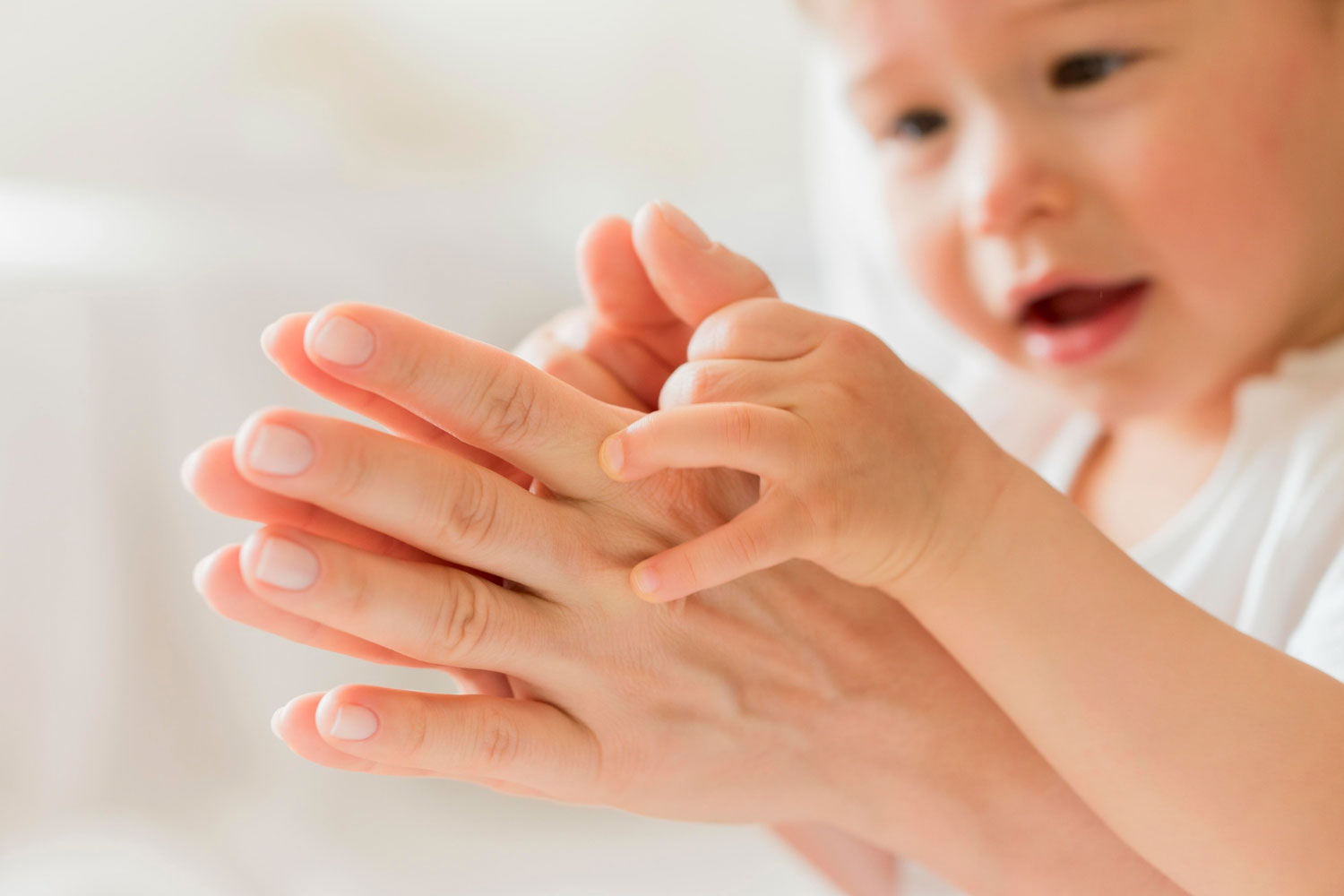
Why Does My Thumb Hurt When I Lift My Baby, Text, or Open a Jar?

Why Does My Thumb Hurt When I Lift My Baby, Text, or Open a Jar?
If you’ve noticed pain at the base of your thumb when lifting your baby, scrolling through your phone, opening a jar, or carrying grocery bags, you’re not alone. Many people experience thumb and wrist pain during everyday activities and may assume it is simply due to overuse or ageing.
However, persistent pain around the thumb side of the wrist may be a sign of De Quervain’s Tenosynovitis, a common condition that affects the tendons responsible for moving the thumb.
The good news is that early recognition and appropriate treatment can help reduce discomfort and restore function before symptoms begin interfering with daily life.

Key Pointers

  • De Quervain’s Tenosynovitis is a common cause of thumb and wrist pain.
  • The condition affects the tendons on the thumb side of the wrist.
  • New parents, office workers, healthcare workers, and individuals who perform repetitive hand movements may be at higher risk.
  • Symptoms often worsen when lifting, gripping, twisting, or pinching objects.
  • Early assessment may help prevent symptoms from becoming more severe.
  • Treatment options may include activity modification, splinting, medications, injections, and surgery in selected cases.

What Is De Quervain's Tenosynovitis?

De Quervain’s Tenosynovitis is a condition involving irritation and inflammation of two tendons that run along the thumb side of the wrist.
These tendons help move the thumb away from the hand and are involved in many everyday activities such as:
  • Holding a baby
  • Gripping objects
  • Opening containers
  • Typing
  • Texting
  • Carrying bags
  • Using tools
When the tendon sheath becomes irritated, the tendons may not glide smoothly, resulting in pain and difficulty moving the thumb.

Why Does My Thumb Hurt When I Lift My Baby?

One of the most common causes of De Quervain’s Tenosynovitis is repetitive lifting of an infant.
Many parents repeatedly lift their baby by placing their hands under the child’s arms while extending their thumbs away from the hand. This position places stress on the tendons around the thumb and wrist.
As the baby grows heavier, the strain on these tendons may increase.
Because of its association with childcare activities, the condition is sometimes referred to as “mother’s wrist” or “baby wrist,” although it can affect anyone involved in repetitive lifting and carrying.

Can Texting and Smartphone Use Cause Thumb Pain?

Modern lifestyles place increasing demands on our hands and thumbs.
Frequent smartphone use often involves repetitive thumb movements such as:
  • Scrolling
  • Swiping
  • Typing messages
  • Gaming
  • Social media use
While smartphone use alone may not directly cause De Quervain’s Tenosynovitis, repetitive thumb motions may contribute to irritation of the tendons, particularly when combined with other activities that place strain on the wrist.
Individuals who spend long hours using mobile devices may notice discomfort developing gradually over time.

Why Does Opening a Jar Make My Wrist Hurt?

Opening jars, twisting bottle caps, wringing towels, and turning doorknobs all require a combination of gripping and twisting motions.
These movements place stress on the tendons involved in thumb and wrist movement.
People with De Quervain’s Tenosynovitis often report sharp pain when:
  • Opening jars
  • Using keys
  • Holding a mug
  • Carrying shopping bags
  • Lifting heavy objects
The discomfort may be particularly noticeable during tasks that require forceful gripping or twisting.

What Are the Symptoms of De Quervain's Tenosynovitis?

Symptoms may develop gradually or appear after a period of increased hand use.
Common symptoms include:
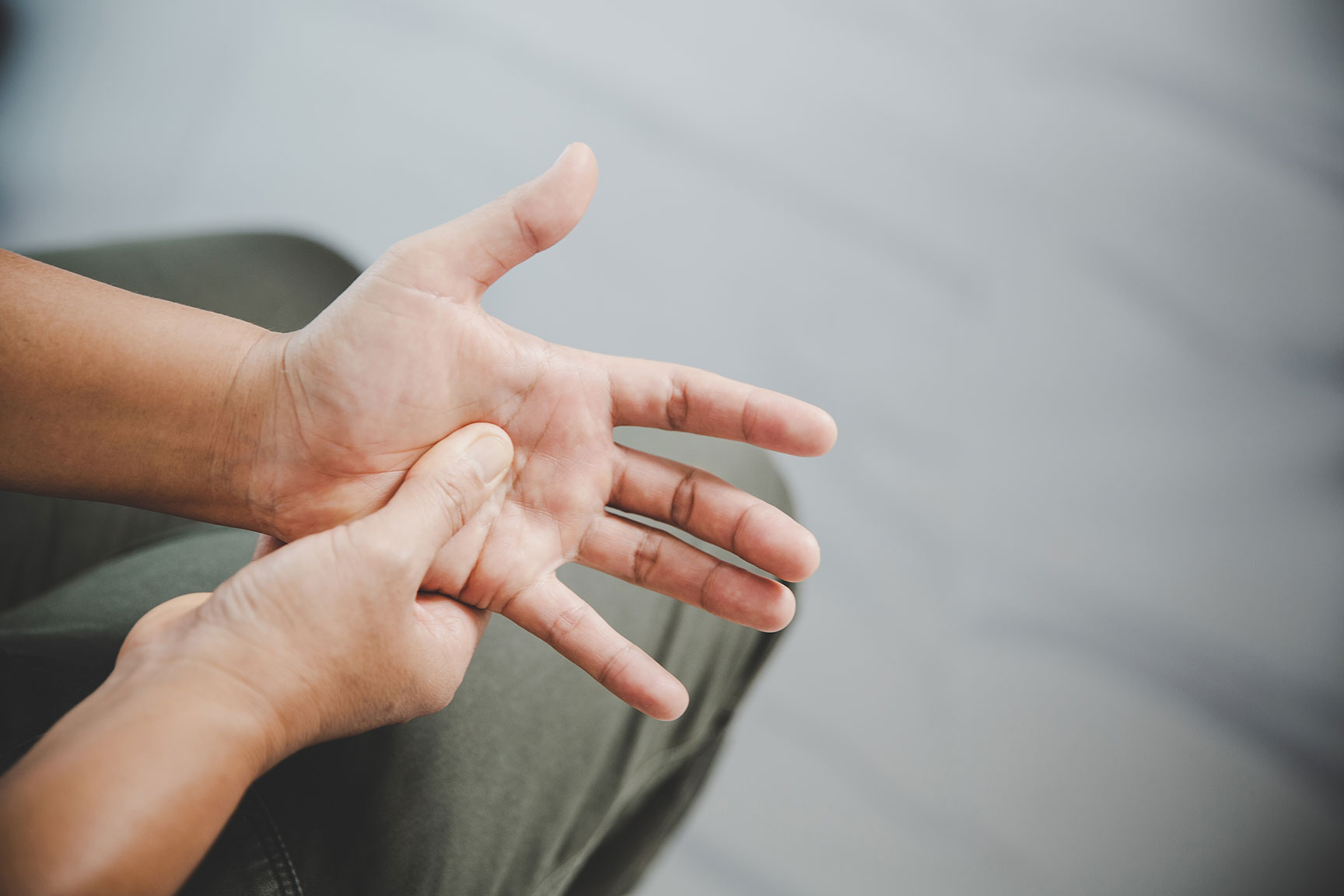
  • Pain at the base of the thumb
  • Pain on the thumb side of the wrist
  • Swelling near the wrist
  • Tenderness when touching the area
  • Difficulty gripping objects
  • Pain when pinching or twisting
  • A catching or snapping sensation during thumb movement
Some individuals may also notice discomfort travelling up the forearm.

Who Is More Likely to Develop De Quervain's Tenosynovitis?

Several groups may be at increased risk of developing the condition.
These include:

New Parents and Caregivers

Repeated lifting and carrying of infants can place strain on the thumb tendons.

Office Workers

Long hours of computer and smartphone use may contribute to repetitive thumb and wrist movements.

Healthcare Workers

Frequent lifting, gripping, and handling of equipment may increase tendon strain.

Manual Workers

Jobs involving repetitive hand movements, twisting, or gripping can increase the risk of tendon irritation.

Sports and Fitness Enthusiasts

Certain sports and exercises involving repetitive wrist motions may contribute to symptoms.

How Is De Quervain's Tenosynovitis Diagnosed?

Diagnosis usually begins with a discussion of symptoms and a physical examination.
Your doctor may ask about:
  • Daily activities
  • Occupation
  • Sports participation
  • Recent changes in activity levels
During the examination, specific movements may be performed to reproduce symptoms and assess tendon function.
Imaging tests are not always necessary but may sometimes be used to evaluate other causes of thumb or wrist pain.

What Treatments Are Available for De Quervain's Tenosynovitis?

Treatment depends on the severity of symptoms and how long the condition has been present.

Activity Modification

Reducing or modifying activities that trigger symptoms may help decrease irritation.

Splinting

A thumb splint may help rest the affected tendons and reduce pain.

Medications

Anti-inflammatory medications may be recommended in selected cases to help manage discomfort.

Corticosteroid Injections

For some individuals, a corticosteroid injection may help reduce inflammation around the affected tendons.

Surgery

When symptoms persist despite non-surgical treatment, a surgical procedure may be considered to release the tight tendon sheath and improve tendon movement.
Your doctor will discuss whether surgery is appropriate based on your individual circumstances.

When Should I See a Hand Specialist for Thumb or Wrist Pain?

It may be worth seeking medical assessment if:
  • Pain persists for several weeks
  • Symptoms interfere with daily activities
  • Gripping or lifting becomes difficult
  • Swelling continues to worsen
  • Rest and self-care measures have not improved symptoms
Early assessment may help identify the cause of your symptoms and guide appropriate treatment.

Frequently Asked Questions

1. Is De Quervain’s Tenosynovitis the same as arthritis?

No. De Quervain’s Tenosynovitis affects the tendons around the thumb, while arthritis affects the joints. Both can cause thumb pain, but they are different conditions.

2. Can De Quervain’s Tenosynovitis go away on its own?

Mild cases may improve with rest and activity modification. However, persistent symptoms should be assessed by a healthcare professional.

3. How long does recovery take?

Recovery varies depending on the severity of the condition and the treatment used. Some individuals improve within weeks, while others may require longer treatment.

4. Is surgery always necessary?

No. Many people respond well to non-surgical treatments such as splinting, activity modification, and injections. Surgery is generally considered when symptoms continue despite conservative treatment.

5. Can I continue using my phone if I have thumb pain?

Reducing activities that aggravate symptoms may help. Taking regular breaks and modifying hand positions during phone use may also be beneficial.

Don't Let Thumb and Wrist Pain Interfere with Everyday Life, Book a Consultation Now

Simple activities such as lifting your baby, texting a friend, or opening a jar should not have to be painful.
If you’re experiencing persistent thumb pain or wrist pain, obtaining an accurate diagnosis is the first step towards appropriate treatment and recovery.
Dr Lai Jen Ming, Senior Consultant Hand Surgeon at The Orthopaedic Practice and Surgery (TOPS), assesses and treats a range of hand and wrist conditions, including De Quervain’s Tenosynovitis.
Book an appointment with Dr Lai to discuss your symptoms and explore treatment options tailored to your condition.