Quick Answer:
To reduce injury risk during a triathlon, focus on tapering training one week before, pacing effort during the race, and prioritising recovery after. Ignoring early warning signs such as persistent pain or fatigue may increase the risk of overuse injuries.
Triathlons demand a unique combination of endurance, strength, and mental focus. With swimming, cycling, and running all in one event, the body is placed under sustained stress, often for hours.
With major events like the Singapore T100 Triathlon this April 25-26, 2026, drawing both seasoned athletes and first-time participants, many are increasing their training intensity in the lead-up to race day.
Whether you are preparing for your first race or aiming to improve performance, one common question comes up:
What should I do before, during, and after a triathlon to avoid injury?
Key Pointers
- Reduce training intensity 1 week before race day to allow the body to recover
- Avoid trying new gear, nutrition, or routines close to the race
- During the race, distinguish between expected fatigue and injury-related pain
- Post-race recovery is essential to prevent overuse injuries
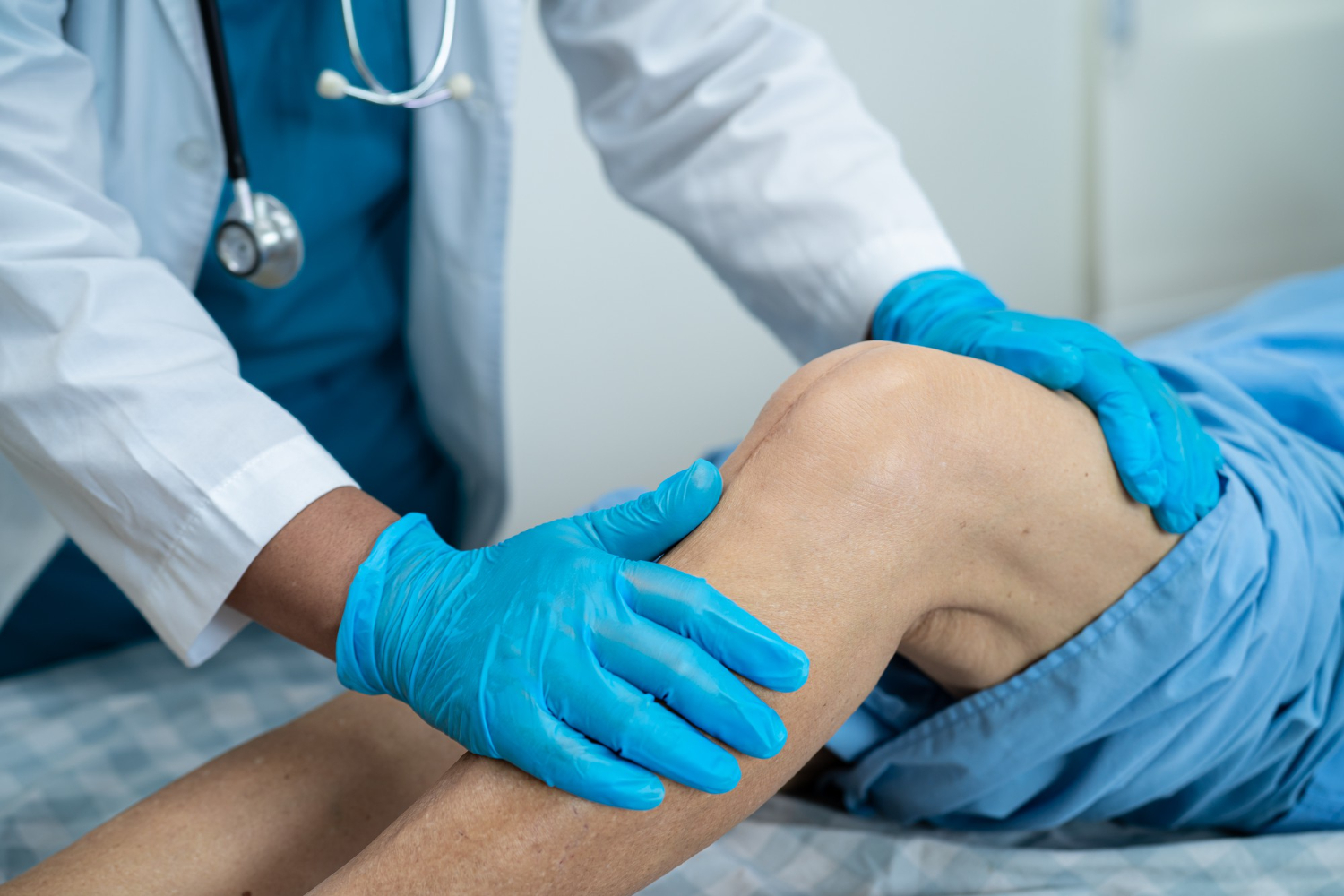
- Persistent pain or swelling may require assessment by an orthopaedic doctor
What Should You Do 1 Week Before a Triathlon?
The final week before a race can feel tempting, you might want to squeeze in one last hard session “just to be sure.” But this is actually the time to step back slightly and allow your body to recharge.
What Should You Do?
- Gradually reduce training volume (tapering)
- Maintain light workouts to keep muscles active
- Focus on mobility and stretching
- Prioritise sleep and hydration
- Prepare your race gear in advance
What Should You Avoid?
- Trying new exercises or routines
- Increasing training intensity
- Ignoring minor aches or discomfort
- Last-minute changes in footwear or equipment
What Happens to Your Body Before Race Day?
In the lead-up to a race, your body is still carrying the effects of weeks or months of training. Even if you feel strong, there may already be underlying fatigue building up.
Common stress points include:
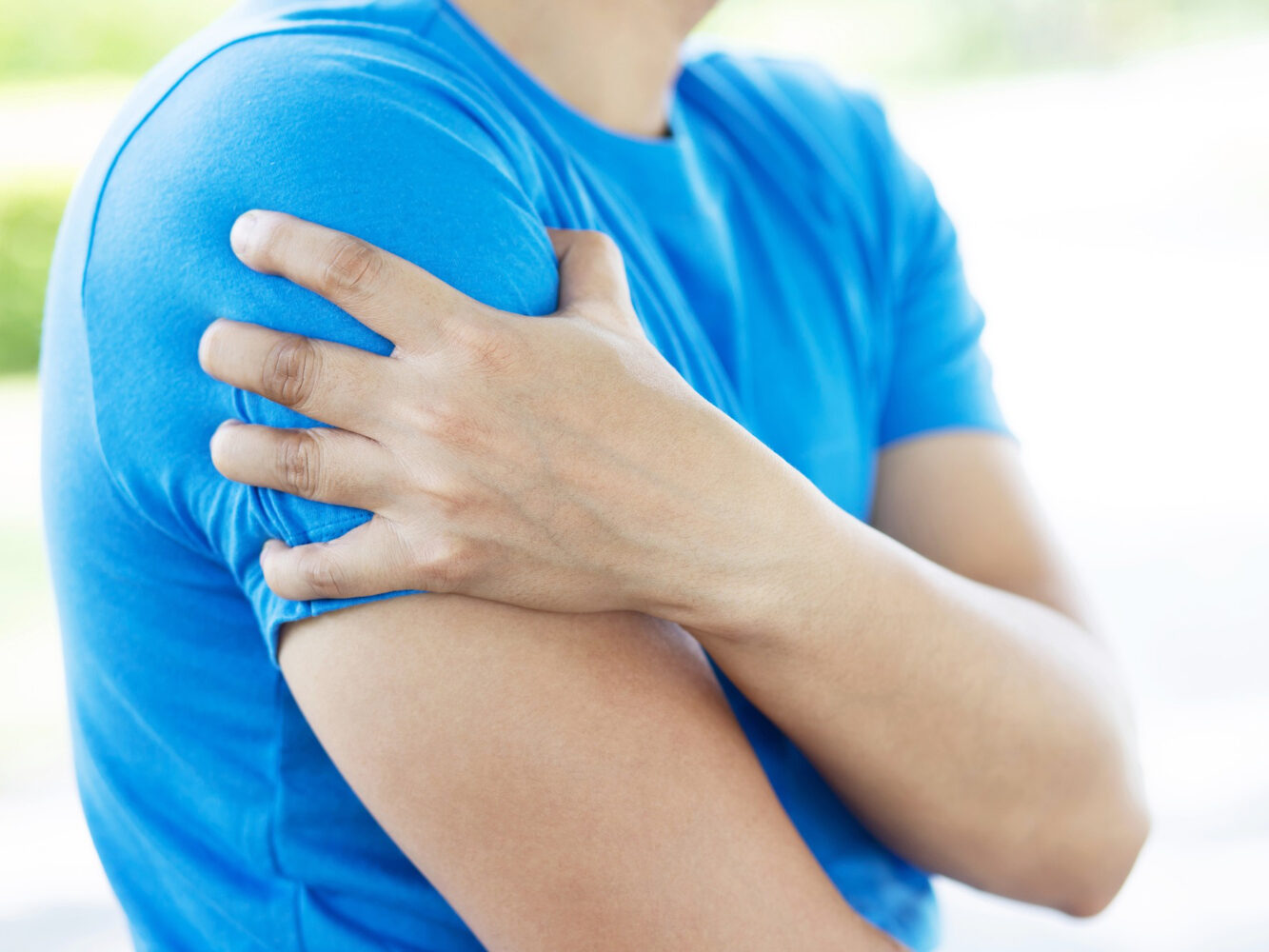
- The shoulders (from swimming)
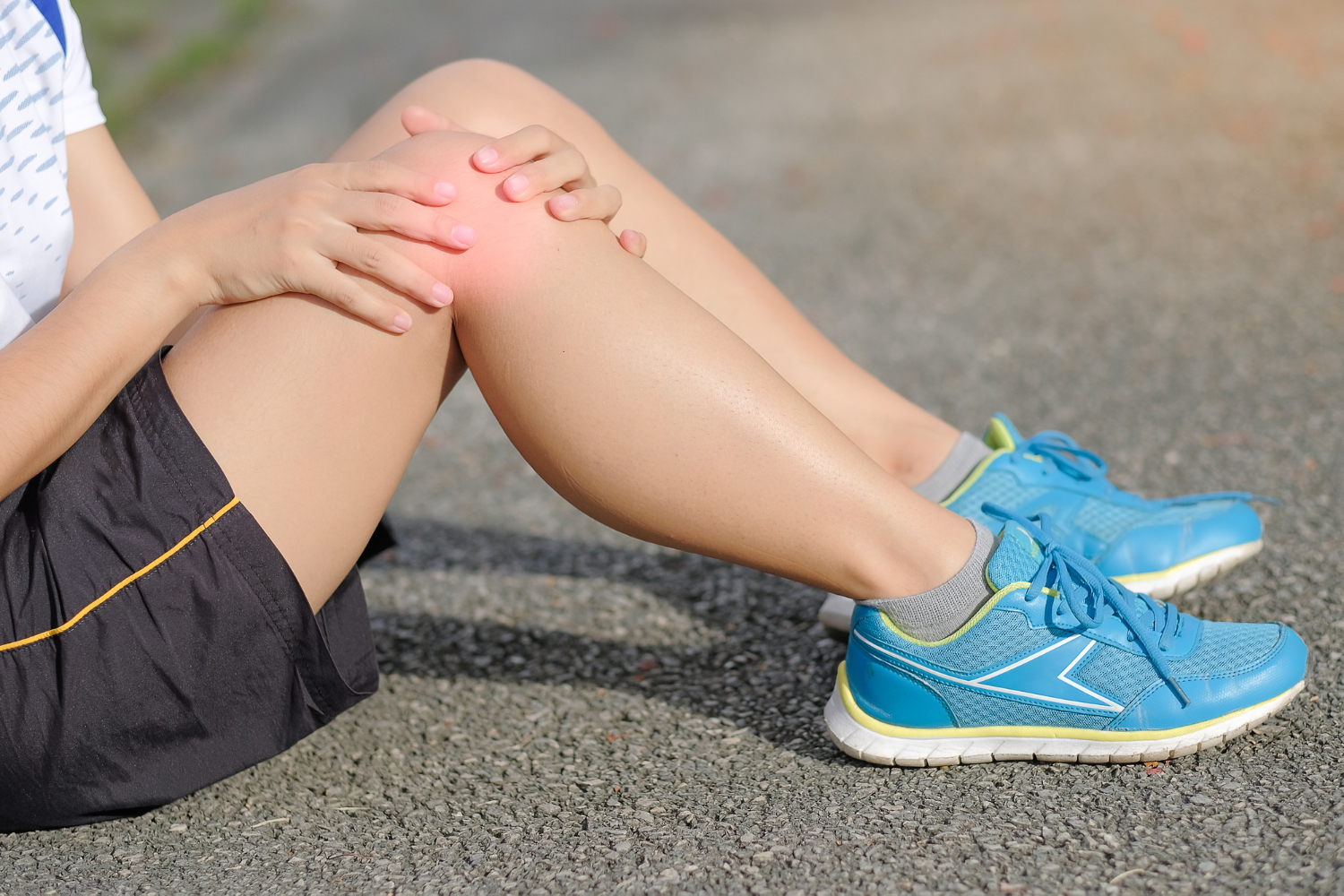
- The knees (from running and cycling)
- The calves and Achilles tendon
These areas may already be under strain before race day begins.
What Should You Do During a Triathlon to Avoid Injury?
Once the race starts, it’s easy to get caught up in adrenaline and push harder than planned. This is where awareness becomes just as important as endurance.
What Pain Is Normal During a Race?
It is common to experience:
- Muscle fatigue
- General soreness
- Breathlessness during exertion
These are expected responses to prolonged effort.
What Pain Is Not Normal?
Some types of pain should not be ignored, even during a race.
Stop or slow down if you experience:
- Sharp or stabbing pain
- Sudden joint instability
- Pain that worsens with each movement
- Localised pain in the knee, shoulder, or Achilles tendon
How Can You Reduce Injury Risk During the Race?
Even small adjustments during the race can make a difference in how your body holds up.
- Maintain proper form, especially when fatigued
- Avoid sudden changes in pace
- Stay hydrated throughout
- Listen to your body instead of pushing through pain
What Happens to Your Body After a Triathlon?
Crossing the finish line doesn’t mean your body has fully processed what it just went through. In fact, this is when recovery becomes most important.
After a triathlon, your body is dealing with:
- Muscle fatigue
- Joint loading
- Reduced energy stores
- Mild inflammation
What Should You Do After a Triathlon?
Recovery is where many athletes unintentionally make mistakes, often by doing too much, too soon.
Immediate Recovery (First 24–48 Hours)
- Gentle movement such as walking
- Light stretching
- Hydration and nutrition
- Adequate rest
Ongoing Recovery (Next Few Days)
As your body begins to settle, it’s important to ease back gradually rather than jumping straight into training again.
- Gradual return to activity
- Avoid high-impact training
- Monitor for persistent pain or swelling
What Recovery Mistakes Should You Avoid?
Some post-race habits may increase the risk of injury if not managed carefully.
- Returning to intense training too quickly
- Ignoring lingering joint pain
- Skipping rest days
- Assuming all pain is “normal” after racing
When Should You See an Orthopaedic Doctor After a Triathlon?
It’s normal to feel sore after a race, but it’s not always easy to tell when something needs attention. Knowing when to seek help can prevent small issues from becoming more serious.
Consider consulting a doctor if you experience:
- Pain lasting more than 1–2 weeks
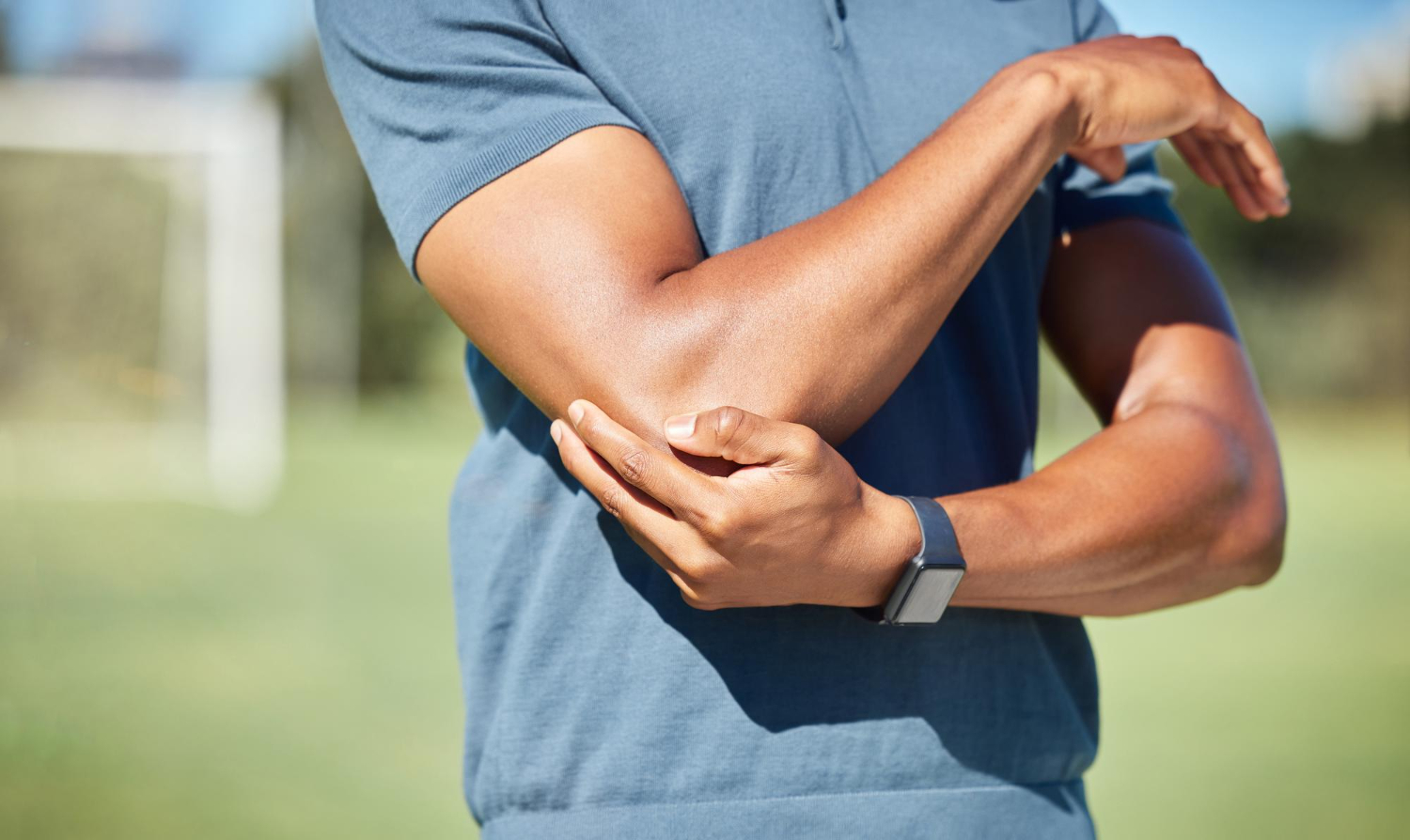
- Swelling in joints such as the knee or ankle
- Shoulder pain that affects movement
- Achilles pain that worsens over time
- Difficulty bearing weight or reduced mobility
At The Orthopaedic Practice and Surgery (TOPS), orthopaedic specialists assess sports-related injuries and provide guidance on recovery and return to activity.
Frequently Asked Questions
How do I prevent injury before a triathlon?
Taper training, maintain mobility, and avoid sudden increases in intensity in the final week.
Is soreness normal after a triathlon?
Yes, mild soreness is expected. However, persistent or worsening pain should be evaluated.
Can I train the day before a race?
Light activity is acceptable, but intense workouts should be avoided.
Why does my knee hurt after a triathlon?
Repetitive impact during running and cycling may cause strain or irritation in the knee joint.
How soon can I return to training after a triathlon?
This depends on recovery, but gradual return is recommended after several days of rest.
Train for the Race and Recover for the Next One
A triathlon is not just about race day; it’s about how you prepare, perform, and recover.
Taking the time to listen to your body, manage your training load, and recover properly can help reduce the risk of injury and support long-term performance.
If pain persists or begins to affect your training, it may be helpful to have it assessed.
At The Orthopaedic Practice and Surgery (TOPS), orthopaedic specialists evaluate conditions affecting the joints, muscles, and tendons and guide patients on appropriate next steps.