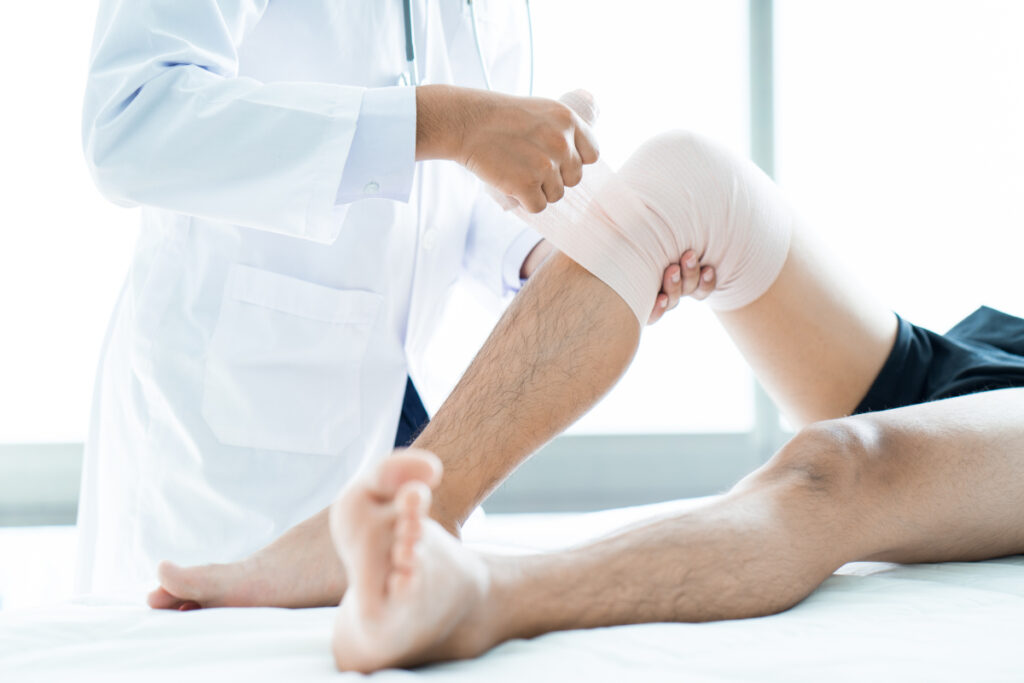
When It May Be Considered and What Patients Should Know
Knee replacement surgery (also called knee arthroplasty) is a procedure used to treat severe damage to the knee joint caused by arthritis, injury, or long-term degeneration. During the procedure, damaged parts of the joint are replaced with artificial components designed to restore movement and reduce pain.
Key Pointers
- Knee replacement may be considered when knee pain significantly affects mobility and daily activities
- The procedure replaces damaged joint surfaces with artificial components
- It is commonly performed for advanced knee arthritis
Recovery involves rehabilitation and physiotherapy - Not all knee conditions require surgery
What Is Knee Replacement Surgery?
Knee replacement surgery is an orthopaedic procedure used to treat severe damage to the knee joint when non-surgical treatments no longer provide sufficient relief.
The knee joint is formed by the meeting of the thigh bone (femur), shin bone (tibia), and kneecap (patella). These surfaces are normally covered with smooth cartilage that allows the joint to move easily.
When cartilage becomes severely damaged, the bones may rub against each other, leading to pain, stiffness, and reduced mobility.
During knee replacement surgery, damaged joint surfaces are removed and replaced with artificial components designed to restore smoother movement of the joint.
When Is Knee Replacement Surgery Recommended?
Knee replacement surgery may be recommended when severe knee joint damage causes persistent pain, stiffness, or difficulty walking that does not improve with medication, physiotherapy, or other non-surgical treatments.
Orthopaedic surgeons may consider knee replacement when symptoms significantly affect daily activities.
Common situations where knee replacement may be considered include:
- Persistent knee pain that interferes with walking or climbing stairs
- Severe knee stiffness or reduced range of motion
- Knee deformity or joint instability
- Advanced arthritis confirmed on imaging tests
- Symptoms that do not improve with conservative treatment
Each patient’s condition is carefully evaluated before surgery is considered.
What Are The Conditions That May Lead to Knee Replacement?
Several medical conditions may cause severe damage to the knee joint.
Osteoarthritis
Osteoarthritis is the most common reason for knee replacement surgery. It occurs when the protective cartilage in the joint gradually wears away.
Rheumatoid Arthritis
This autoimmune condition causes inflammation of the joint lining, which may damage cartilage and bone over time.
Post-Traumatic Arthritis
Previous knee injuries such as fractures or ligament damage may lead to long-term joint degeneration.
Osteonecrosis
In some cases, reduced blood supply to bone tissue can cause bone damage within the knee joint.
What Happens During Knee Replacement Surgery?
During knee replacement surgery, the surgeon removes damaged cartilage and bone from the knee joint and replaces these surfaces with artificial components made of metal and medical-grade plastic. These components are designed to recreate the function of the natural knee joint.
The procedure generally involves several steps:
- Anaesthesia – Patients receive either general or regional anaesthesia.
- Incision – A surgical incision is made to access the knee joint.
- Removal of damaged surfaces – Damaged cartilage and bone are removed.
- Placement of artificial components – Artificial joint surfaces are positioned to restore alignment and movement.
- Closure of the incision – The surgical site is closed and bandaged.
The procedure typically takes one to two hours, depending on the complexity of the case.
Recovery After Knee Replacement Surgery
Recovery following knee replacement surgery varies between individuals and depends on overall health, rehabilitation progress, and the type of surgery performed.
Early Recovery
Patients are often encouraged to begin gentle movement and physiotherapy soon after surgery to help restore joint function.
Rehabilitation
Physiotherapy plays an important role in recovery and may include exercises designed to:
- improve joint mobility
- strengthen surrounding muscles
- restore walking ability
Returning to Daily Activities After Knee Replacement
Most patients gradually return to everyday activities after knee replacement surgery once rehabilitation progresses. Activities such as walking, climbing stairs, and light exercise often become easier as the joint heals and surrounding muscles regain strength. Recovery timelines vary depending on the patient’s health, rehabilitation progress, and the complexity of the surgery.
Recovery after knee replacement focuses on restoring mobility, strength, and confidence in the joint. Physiotherapy and guided rehabilitation are important parts of this process.
While recovery timelines vary between individuals, many patients are able to resume daily routines gradually with appropriate guidance from their healthcare team.
Walking After Knee Replacement
Walking is typically encouraged during recovery as it helps improve circulation and joint mobility.
Patients may initially use walking aids such as crutches or a walker while regaining strength and balance. As recovery progresses, many patients gradually transition to walking independently.
Short, regular walks are often recommended as part of rehabilitation.
Climbing Stairs
Climbing stairs can be challenging in the early stages of recovery, but physiotherapy exercises help strengthen the muscles around the knee joint.
Over time, many patients are able to climb stairs more comfortably once mobility improves and the knee becomes stronger.
Exercise and Physical Activity
Low-impact physical activity is often recommended during long-term recovery. Examples may include:
- walking
- cycling
- swimming
- gentle strengthening exercises
These activities can help maintain joint mobility and overall health.
High-impact activities that place excessive stress on the joint may not be recommended. Patients should follow the advice of their orthopaedic surgeon and physiotherapist when returning to exercise.
Travelling After Surgery
Some patients may be able to travel after knee replacement surgery once recovery has progressed and mobility improves.
For longer trips, it may be helpful to:
- take breaks to move and stretch
- perform simple leg exercises
- stay well hydrated
Patients are usually advised to discuss travel plans with their healthcare provider during follow-up appointments.
Long-Term Joint Care
Protecting the knee joint after surgery is an important part of long-term recovery.
This may include:
- maintaining a healthy weight
- continuing strengthening exercises
- avoiding excessive strain on the joint
- attending scheduled follow-up appointments
These steps help support joint function and overall mobility.
Rehabilitation and Follow-Up Care
Recovery after knee replacement is guided by a structured rehabilitation plan.
Physiotherapy helps patients regain:
- joint movement
- muscle strength
- balance and coordination
Follow-up visits allow the orthopaedic surgeon to monitor healing and ensure that recovery progresses appropriately.
Non-Surgical Alternatives to Knee Replacement
Not all patients with knee pain require surgery.
In many cases, symptoms can be managed through non-surgical treatments such as:
- physiotherapy and strengthening exercises
- activity modification
- anti-inflammatory medication
- weight management
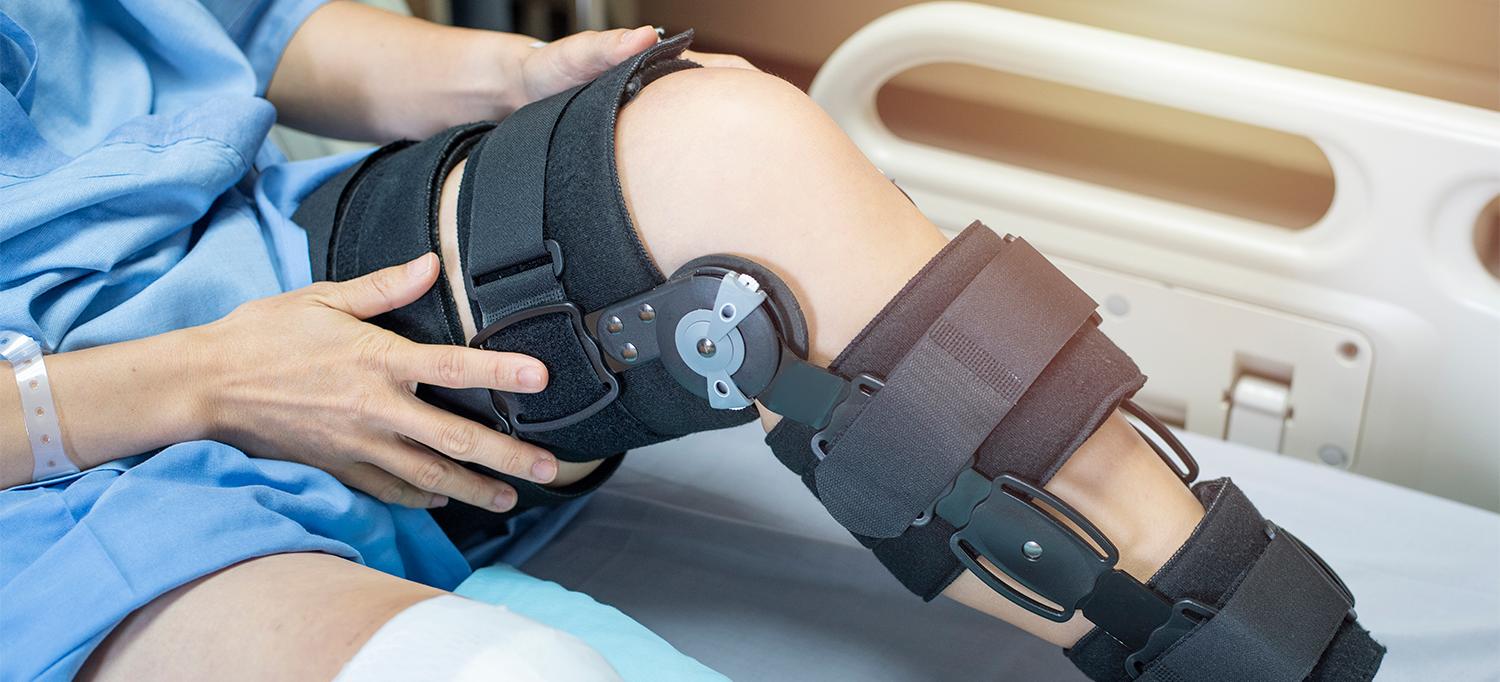
- knee bracing
Orthopaedic surgeons typically recommend surgery only when conservative treatments are no longer effective.
Orthopaedic Care at TOPS
Knee conditions are evaluated by orthopaedic surgeons at The Orthopaedic Practice and Surgery.
Patients with knee joint problems may be assessed by:
- Dr Lim Chin Tat
- Dr Bernard Lau
- Dr Eileen Tay
Treatment recommendations are based on clinical evaluation, imaging findings, and the patient’s symptoms and lifestyle needs.
Frequently Asked Questions About Knee Replacement
How long does knee replacement surgery take?
The procedure typically takes about one to two hours depending on the complexity of the case.
How long does recovery take after knee replacement?
Recovery timelines vary between patients. Many patients resume daily activities within several weeks, while full rehabilitation may take several months.
Do knee replacements last forever?
Artificial knee joints are designed to function for many years, although longevity depends on factors such as activity level and overall health.
Can both knees be replaced at the same time?
In some situations, surgeons may consider replacing both knees during the same operation, although suitability depends on the patient’s health and medical assessment.
Book a Consultation With TOPS
If knee pain or joint stiffness is affecting your daily activities, an orthopaedic assessment may help identify the cause and discuss suitable treatment options.
Patients may consult the team at The Orthopaedic Practice and Surgery to evaluate knee conditions and explore appropriate management options.