ACL Tears and Your Treatment Options
An ACL injury occurs when the anterior cruciate ligament in the knee is stretched or torn. This ligament helps stabilise the knee during movement. Treatment may involve physiotherapy or ACL reconstruction surgery, depending on the severity of the injury and the patient’s activity level.
Key Pointers
- The ACL helps stabilise the knee during movement
- Injuries often occur during sports involving sudden direction changes
- Symptoms may include swelling, instability, and difficulty walking
- Diagnosis typically involves physical examination and MRI
- Treatment may be non-surgical or surgical depending on the injury
What Is an ACL Injury?
Sometimes it happens in a split second -a twist, a landing, or a sudden stop- and your knee just doesn’t feel the same anymore.
The anterior cruciate ligament (ACL) is one of the key ligaments that keeps your knee stable, especially when you pivot, turn, or change direction quickly.
When this ligament is stretched or torn, the knee can lose its stability. For some people, it feels like the knee might “give way” during movement. For others, it simply doesn’t feel as strong or reliable as before.
ACL injuries are commonly seen in sports like football, basketball, and skiing, but they can also happen during everyday activities that place sudden stress on the knee.
What Are the Symptoms of an ACL Tear?
People often describe ACL injuries very similarly, they remember the exact moment it happened.
Some of the more common signs include:
- A “pop” sound or sensation during the injury
- Swelling that develops within a few hours
- A feeling that the knee is unstable or may give way
- Pain when trying to walk or continue activity
- Reduced range of motion
Not everyone experiences all symptoms, but if the knee feels unstable after an injury, it’s usually worth getting it checked.
How Do You Know If You Tore Your ACL?
It’s not always obvious right away, but there are a few signs that tend to stand out.
That “Something Isn’t Right” Feeling
Many patients say they knew instantly that something was wrong, especially if the knee felt unstable or unable to support weight.
Swelling That Comes On Quickly
Unlike some minor injuries, ACL tears often lead to swelling within hours. The knee may feel tight, stiff, or visibly swollen.
The Knee Feels Unsteady
This is one of the most telling signs. You might feel like your knee could buckle when you turn, step, or go down stairs.
Getting It Checked
If these symptoms sound familiar, an orthopaedic assessment can help clarify what’s going on. This usually includes a physical exam and imaging such as an MRI.
At The Orthopaedic Practice and Surgery, the focus is on understanding both the injury and how it affects your day-to-day movement.
ACL Tear vs Meniscus Tear: What’s the Difference?
It’s very common to hear both terms mentioned together and sometimes, they even happen at the same time.
But they involve different parts of the knee.
ACL Tears
The ACL is all about stability. When it’s injured, the knee may feel loose or unreliable, especially during movement.
Typical signs include:
- sudden injury during sports
- a popping sensation
- instability when walking or turning
Meniscus Tears
The meniscus acts like a shock absorber in the knee.
When it’s injured, symptoms tend to feel different:
- pain when twisting or squatting
- clicking or locking of the knee
- difficulty fully bending or straightening
Why the Difference Matters
Because these injuries affect different structures, treatment can vary. Some may respond well to physiotherapy, while others may require surgical intervention.
A proper diagnosis helps guide the next steps.
How Are ACL Injuries Diagnosed?
Getting clarity on what’s happening inside the knee is often the first step toward feeling more in control of the situation.
Diagnosis typically involves:
Medical History
Understanding how the injury happened gives important clues.
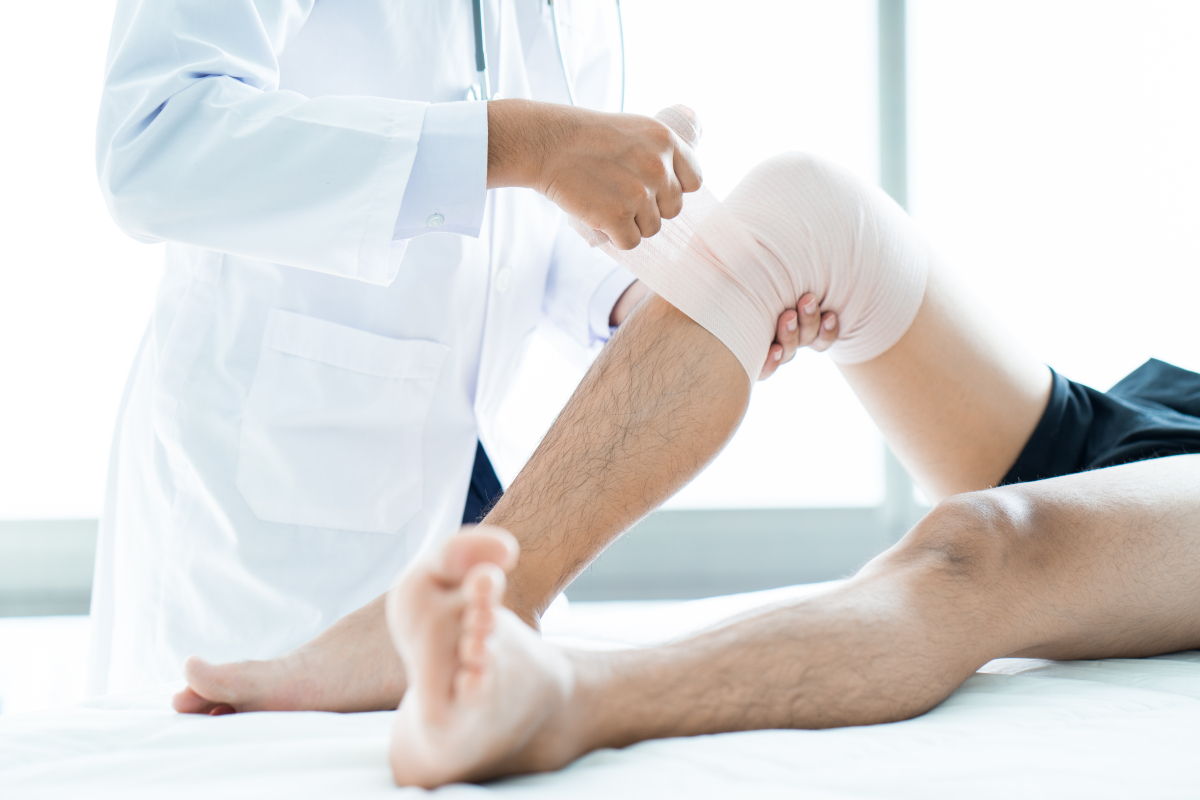
Physical Examination
The knee is assessed for:
- swelling
- range of motion
- stability
Imaging
MRI scans are commonly used to confirm ACL injuries and check for associated damage.
Treatment Options for ACL Injuries
Treatment isn’t one-size-fits-all; it depends on how the injury affects your lifestyle and activity level.
Non-Surgical Treatment
Some people are able to manage ACL injuries without surgery.
This may include:
- physiotherapy
- strengthening exercises
- activity modification
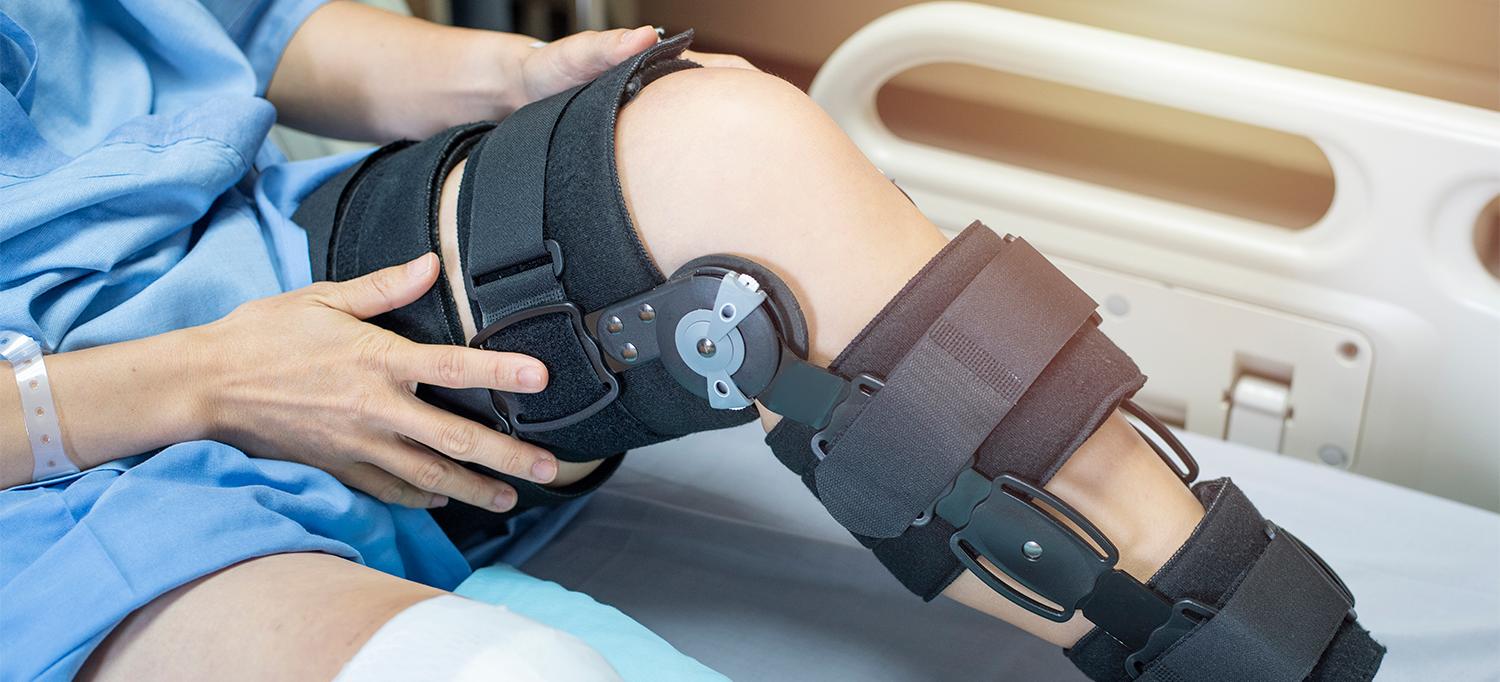
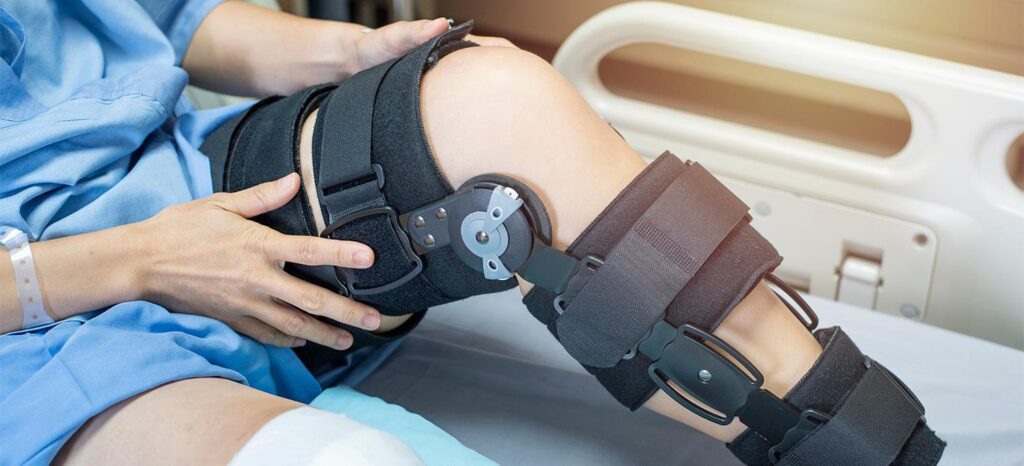
- knee support or bracing
Rehabilitation focuses on helping the muscles around the knee compensate for the injured ligament.
ACL Reconstruction Surgery
For individuals who want to return to pivoting sports or high levels of activity, surgery may be considered.
The procedure involves:
- removing the damaged ligament
- replacing it with a tendon graft
- restoring stability to the knee
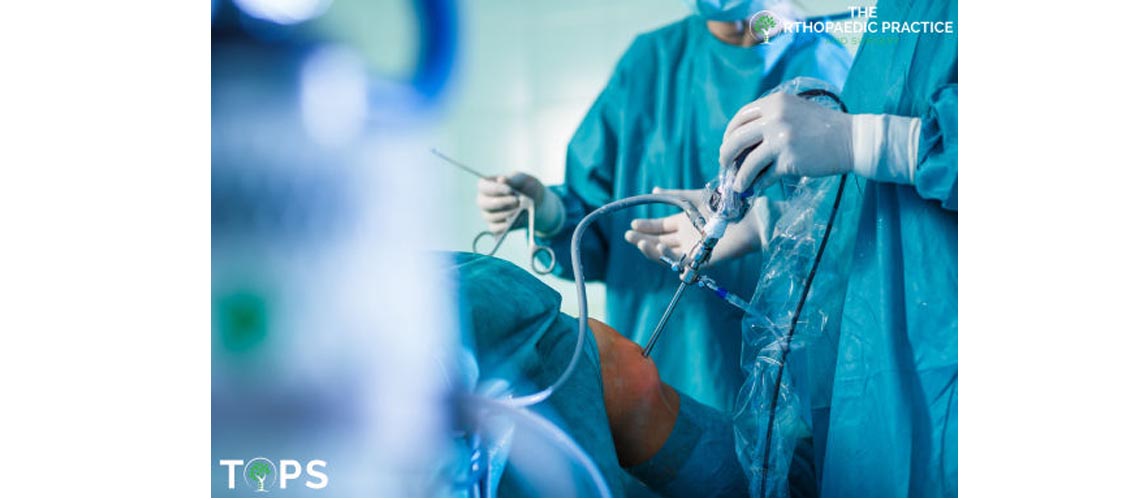
This is usually done using arthroscopic (keyhole) techniques.
Recovery After ACL Treatment
Recovery is often described as a journey that takes patience, consistency, and the right support.
Early Phase
Focus is on reducing swelling and restoring movement.
Rehabilitation
Physiotherapy helps rebuild:
- strength
- balance
- joint control
Returning to Activity
Gradual return to sports depends on:
- knee stability
- strength recovery
- functional progress
Recovery timelines vary, but structured rehabilitation plays a key role.
Preventing ACL Injuries
While not all injuries can be avoided, certain habits can help reduce risk.
These include:
- strengthening lower limb muscles
- proper warm-ups before activity
- improving balance and coordination
- learning safe movement techniques
For active individuals, prevention often becomes part of training.
Orthopaedic Care at TOPS
At The Orthopaedic Practice and Surgery, orthopaedic care focuses not just on the injury, but on helping patients return to movement with confidence.
Patients with ACL injuries may consult:
- Dr Lim Chin Tat
- Dr Bernard Lau
- Dr Eileen Tay
Treatment plans are tailored based on individual goals, whether that’s returning to sports or simply moving comfortably again.
Frequently Asked Questions About ACL Injuries
Can an ACL tear heal without surgery?
Some cases can be managed with rehabilitation, depending on activity level and knee stability.
How long does recovery take?
Recovery varies, but rehabilitation may take several months.
Can I still walk with an ACL tear?
Some people can walk, but the knee may feel unstable.
Will I be able to return to sports?
Many patients aim to return to sports after treatment, depending on recovery progress.
Book a Consultation With TOPS
If your knee feels unstable, painful, or different after an injury, it may be worth having it assessed.
The team at The Orthopaedic Practice and Surgery can help evaluate your condition and discuss appropriate treatment options based on your needs and activity goals.