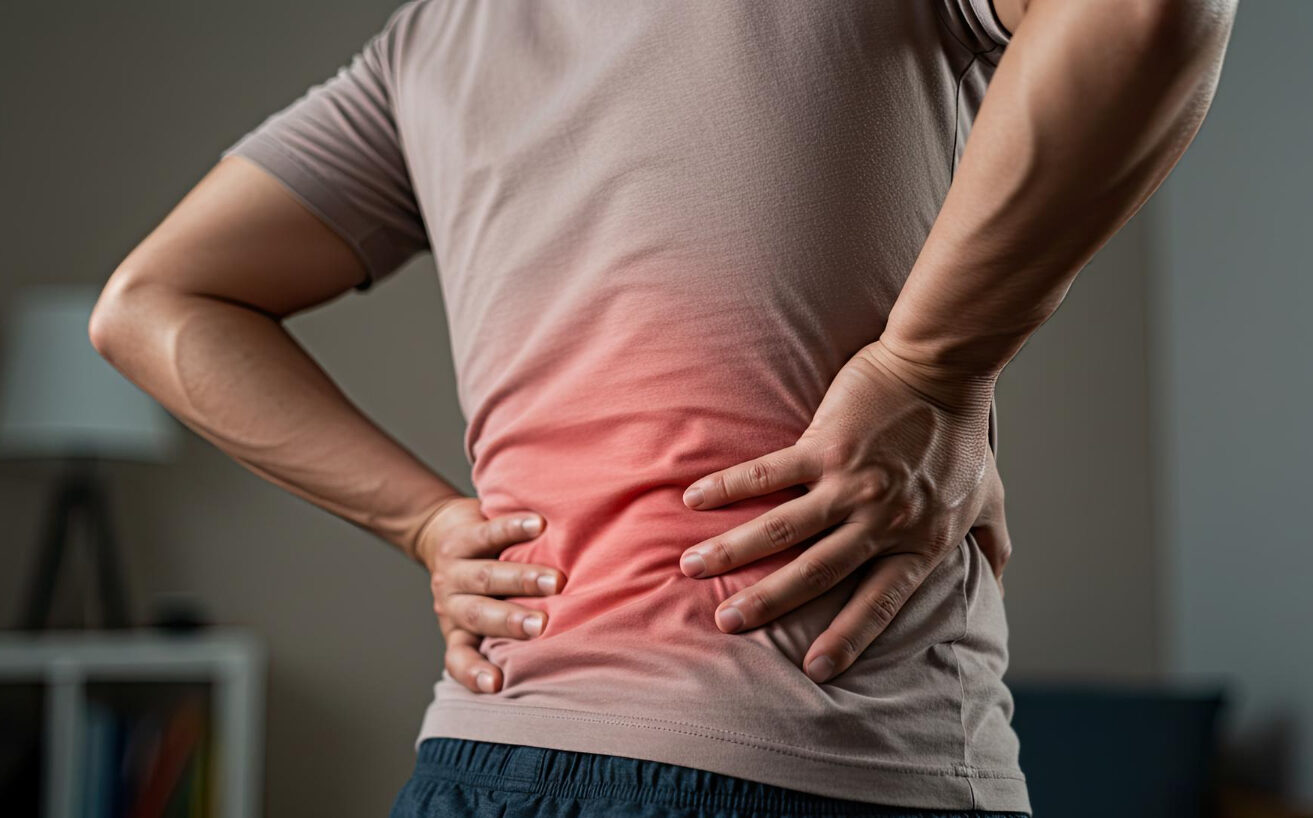
Bone pain is something many people associate with an obvious injury, a fall, a sports accident, or a sudden twist during exercise. But what if your bones ache even though nothing happened?
In many cases, the discomfort may not actually be coming from the bone itself but from surrounding structures such as joints, ligaments, muscles, or cartilage. However, persistent pain should not be ignored, especially when it interferes with daily activities.
Key Pointers
- Bone pain without injury can sometimes be related to joint inflammation, overuse, or early joint degeneration.
- Repetitive activities may lead to stress fractures, especially in active individuals.
- Early osteoarthritis can cause aching joints even without a clear injury.
- Pain that persists for several weeks, worsens with activity, or affects mobility may require evaluation.
- An orthopaedic doctor assesses conditions affecting bones, joints, and the musculoskeletal system.
Why Do My Bones Hurt Even If I Didn’t Get Injured?
Pain that feels like it is coming from the bone may actually involve surrounding structures within the musculoskeletal system.
Common reasons include:
- Joint inflammation
- Muscle strain from repetitive activity
- Degenerative joint changes
- Minor stress injuries to bone
These issues can develop gradually rather than from a sudden incident.
For example, people who increase their physical activity or training intensity may notice deep aching in their legs, hips, or lower back. This discomfort may be linked to the way the body is adapting to increased load.
Can Early Osteoarthritis Cause Bone Pain?
Yes, it can.
Osteoarthritis is a condition where the protective cartilage within a joint gradually wears down. As the cartilage becomes thinner, the underlying bone may experience more stress during movement.
Early osteoarthritis may cause:
- Aching joints after activity
- Stiffness in the morning or after sitting
- Mild swelling around a joint
- Discomfort in weight-bearing joints such as the knees or hips
In its early stages, symptoms may come and go, which is why people sometimes delay seeking advice.
Could Stress Fractures Cause Bone Pain Without Injury?
Sometimes, yes.
A stress fracture is a small crack in the bone that develops from repeated mechanical stress rather than a single traumatic event.
This type of injury is more common among:
- Runners or athletes
- Individuals who suddenly increase their training intensity
- People involved in high-impact sports
- Military recruits or individuals undergoing intense physical training
Stress fractures often cause gradual, localised pain that worsens with activity and improves with rest.
Can Inflammation Around Joints Cause Bone-Like Pain?
Inflammation in joints or surrounding tissues can create discomfort that feels like it is coming from the bone.
Conditions that may contribute include:
- Tendon inflammation
- Ligament irritation
- Joint overuse
- Cartilage wear
Because the structures around a joint work closely together, pain signals may be difficult to pinpoint precisely.
This is why proper clinical evaluation is helpful in identifying the underlying cause.
Could Spine or Joint Degeneration Cause Bone Pain?
Degenerative changes can occur in the spine and joints as part of the natural aging process.
Over time, discs and joint surfaces may experience gradual wear. This may lead to symptoms such as:
- Lower back aching
- Neck stiffness
- Joint discomfort during activity
- Reduced flexibility
Although these changes are common with age, persistent or worsening pain should still be evaluated to determine the cause.
When Should Persistent Bone Pain Be Checked?
Occasional soreness after exercise or physical activity is normal. However, certain symptoms may indicate that further assessment is appropriate.
Consider consulting a doctor if you experience:
- Pain lasting longer than two to three weeks
- Pain that worsens during activity
- Swelling around a joint
- Difficulty moving a limb or joint
- Pain that affects daily tasks or sleep
How Does an Orthopaedic Doctor Evaluate Bone Pain?
An orthopaedic doctor specialises in conditions affecting the bones, joints, muscles, and ligaments.
Evaluation typically involves:
- Discussing your symptoms and medical history
- Physical examination of the affected area
- Assessing joint movement and stability
- Imaging tests such as X-rays or MRI when appropriate
This process helps identify the underlying cause of musculoskeletal pain and guide appropriate management.
Frequently Asked Questions
Why do my bones ache even when I didn’t get injured?
Bone-like pain may be related to joint inflammation, muscle strain, stress injuries, or degenerative changes rather than direct bone damage.
Can stress cause bone pain?
Stress itself does not usually cause bone pain, but muscle tension and fatigue associated with stress may contribute to musculoskeletal discomfort.
Is bone pain a sign of arthritis?
It can be. Early osteoarthritis may cause aching joints, stiffness, and discomfort during movement.
How long should bone pain last before seeing a doctor?
Pain that persists beyond two to three weeks or interferes with daily activities should be evaluated.
Which doctor should I see for bone pain?
An orthopaedic doctor specialises in diagnosing and managing conditions affecting bones, joints, and the musculoskeletal system.
Persistent Bone Pain Shouldn’t Be Ignored, Book an Appointment
If you’re experiencing bone or joint discomfort that does not improve, it may be helpful to have it assessed.
At The Orthopaedic Practice and Surgery (TOPS), orthopaedic specialists evaluate a range of musculoskeletal concerns including joint pain, stress injuries, and degenerative conditions affecting bones and joints.
A clinical evaluation can help determine the possible cause of symptoms and discuss appropriate management options.
If bone or joint pain continues to affect your daily activities, consider scheduling a consultation with the orthopaedic team at TOPS.