Key Pointers
- A healthy lifestyle starts with safe, sustainable movement, not intensity.
- Many beginners experience aches due to poor technique or sudden activity changes.
- Joint pain is not “normal” when starting exercise and should be addressed early.
- Gradual progression and proper guidance reduce injury risk.
- Orthopaedic assessment can help beginners move with confidence and clarity.
Where Should Beginners Start When Trying to Be Healthy?
Every January, many people decide to exercise more, sit less, and “finally take care” of their health. If this is your first time trying to build a healthy lifestyle, it’s important to start with realistic expectations.
A healthy routine does not begin with intense workouts or dramatic changes. It begins with:
- Understanding your body’s current limits
- Choosing movements you can sustain
- Avoiding pain that may signal injury
For beginners, consistency matters far more than intensity.
Is It Normal to Feel Pain When You Start Exercising?
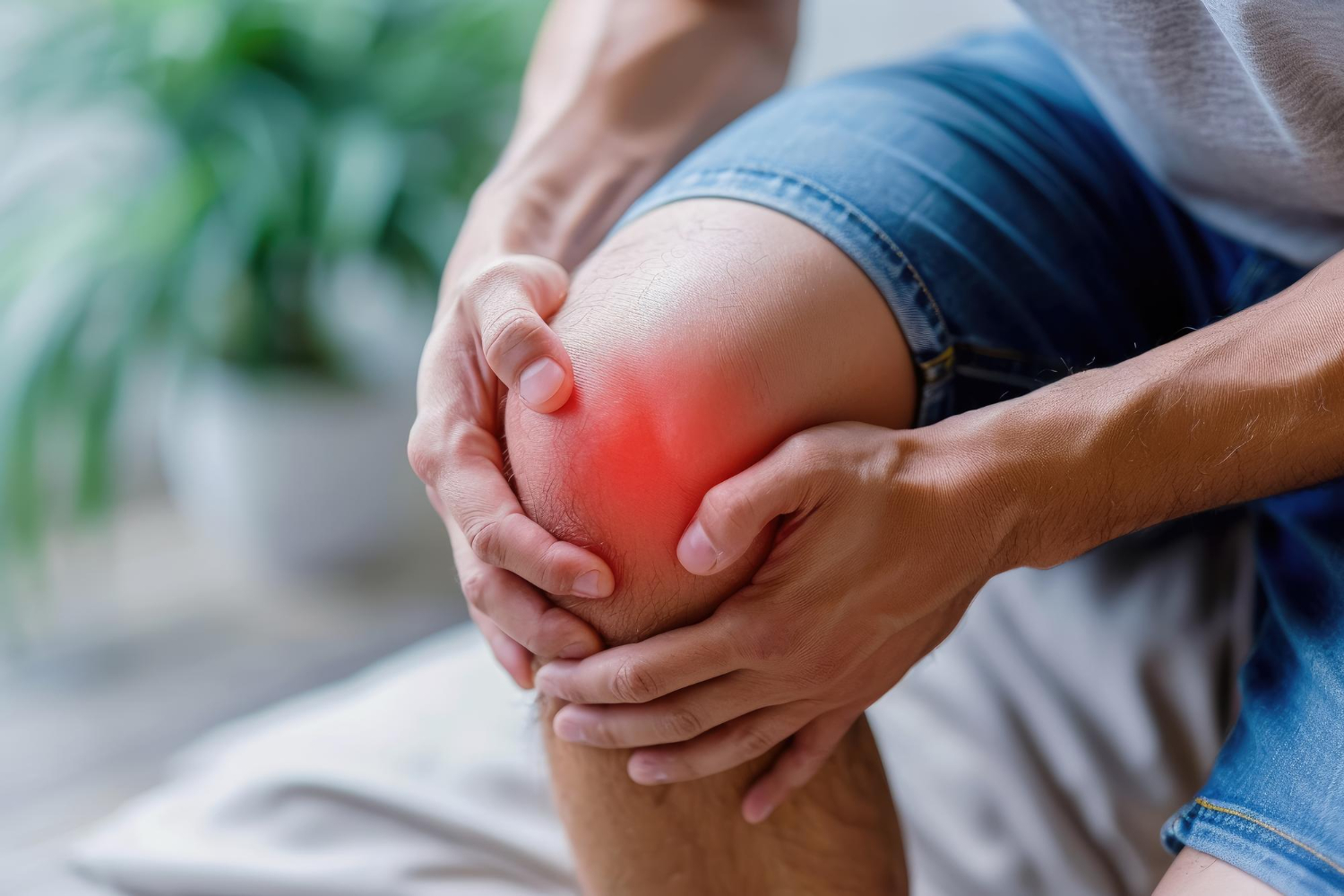
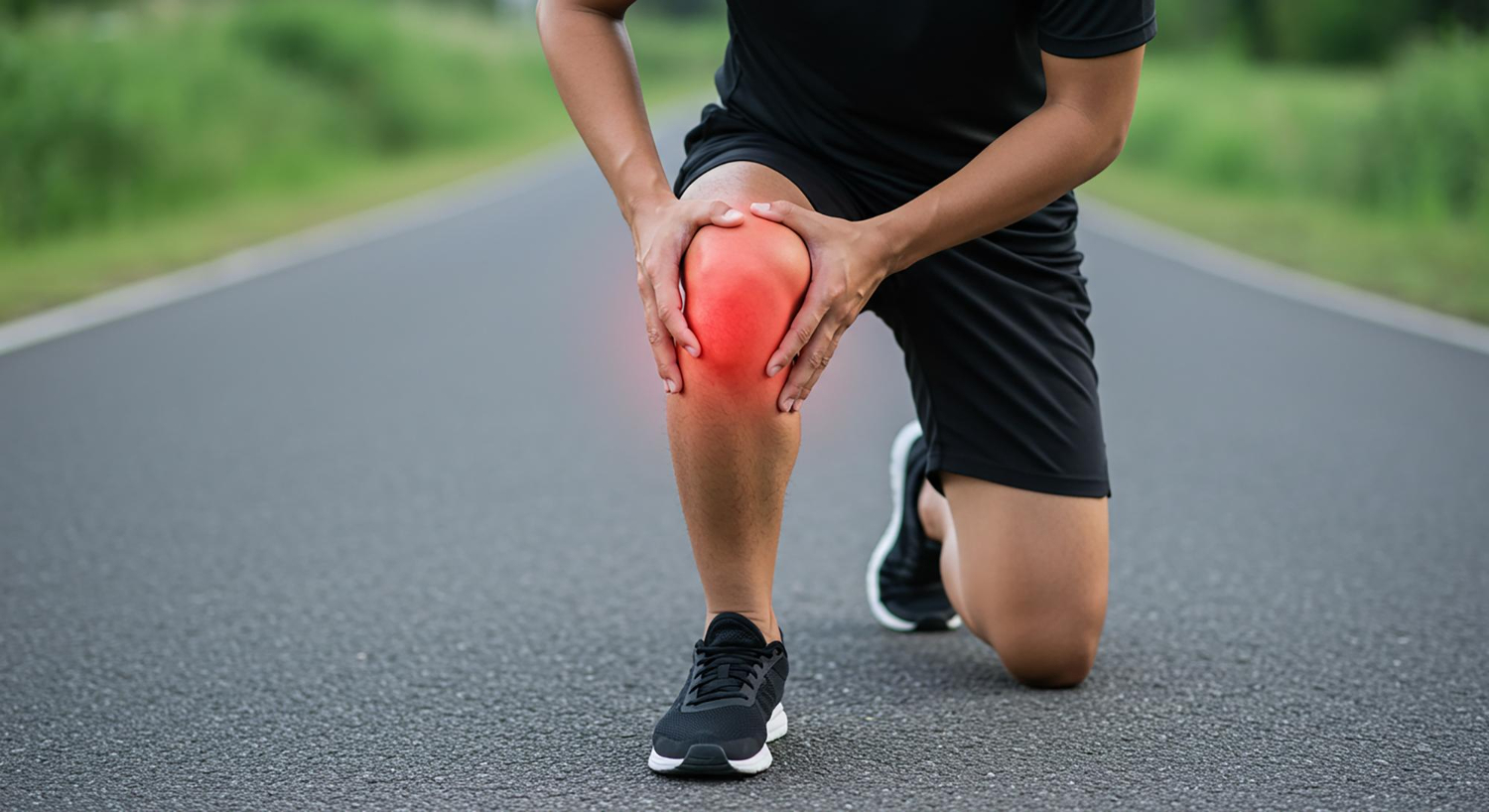
Mild muscle soreness after new activity is common. However, persistent joint pain is not.
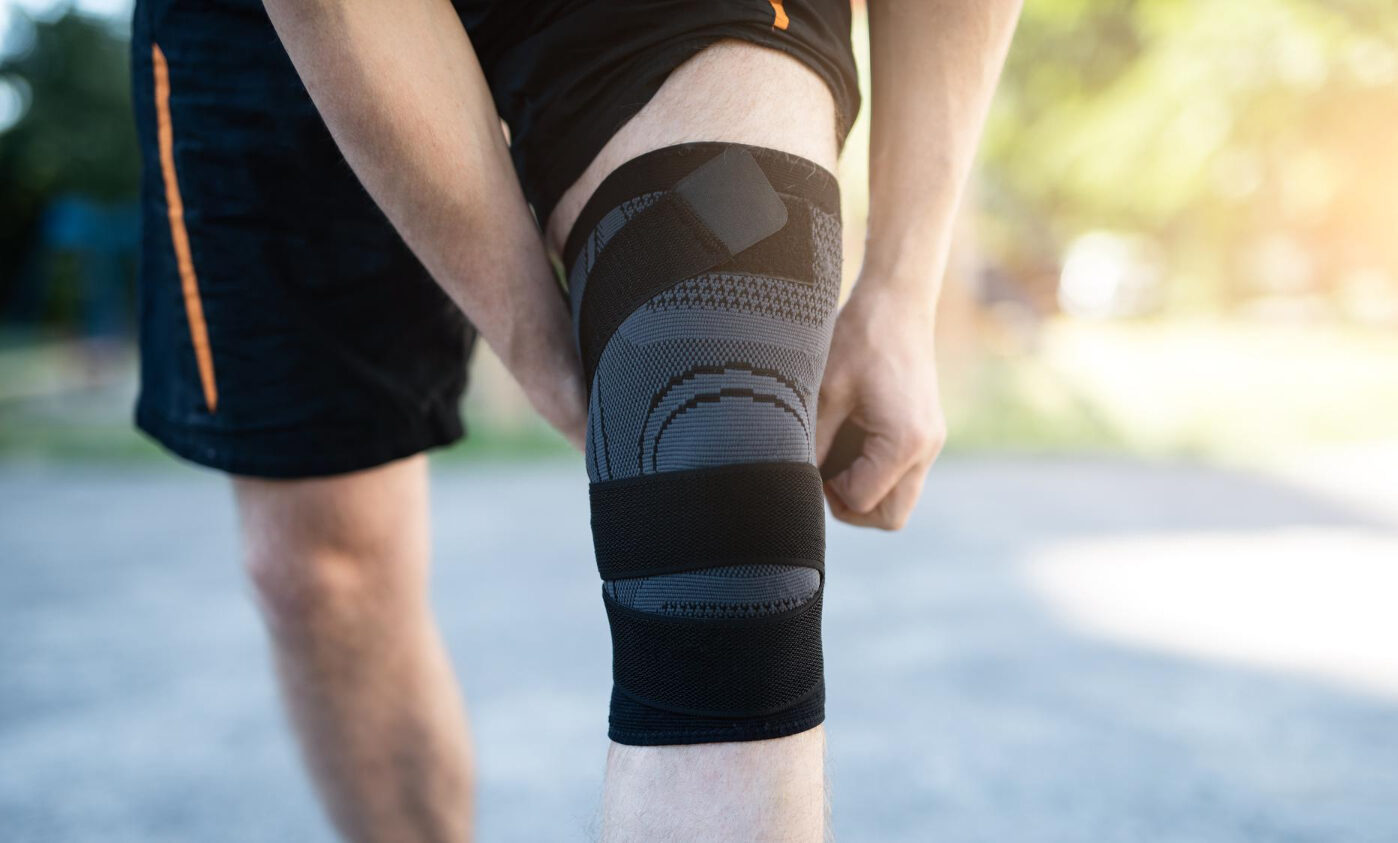
Pain in areas such as the knees, shoulders, hips, or ankles may indicate:
- Poor movement patterns
- Weak supporting muscles
- Pre-existing joint conditions
- Overloading the body too quickly
Ignoring pain can lead to longer recovery times or injuries that interrupt your new routine. Early assessment helps identify whether discomfort is expected muscle adaptation or something that requires attention.
What Are the Most Common Beginner Mistakes That Cause Injuries?
Many people start the year with good intentions but unknowingly increase their risk of injury.
Common beginner mistakes include:
- Doing too much too soon
- Skipping warm-ups and cool-downs
- Using incorrect form during exercises
- Following generic online workouts without modification
- Ignoring early warning signs such as swelling or sharp pain
These mistakes often lead to knee pain, shoulder strain, back discomfort, or ankle issues, especially in individuals who have been inactive for a long time.
What Exercises Are Safer for Beginners?
A beginner-friendly routine focuses on low-impact, joint-friendly movements that improve strength, balance, and mobility.
Good starting options include:
- Brisk walking
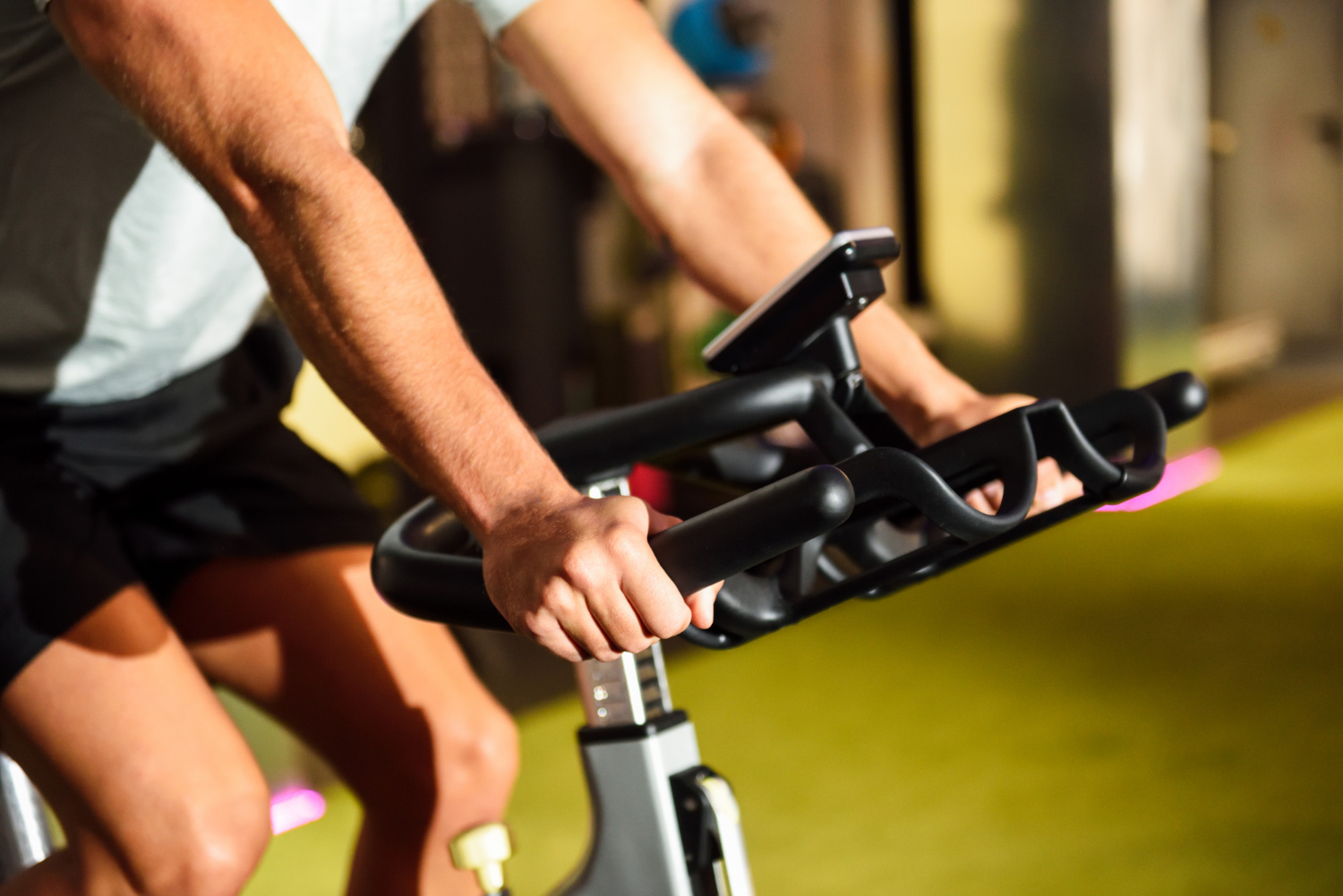
- Stationary cycling
- Swimming or water exercises
- Bodyweight strengthening exercises
- Guided stretching and mobility work
These activities allow the body to adapt gradually while reducing unnecessary stress on joints.
How Can You Protect Your Joints While Becoming More Active?
Joint health plays a major role in long-term physical activity. Protecting your joints early helps prevent setbacks.
Key strategies include:
- Wearing appropriate footwear
- Strengthening muscles around joints (knees, hips, shoulders)
- Allowing rest days between sessions
- Increasing duration or intensity gradually
- Paying attention to posture and movement quality
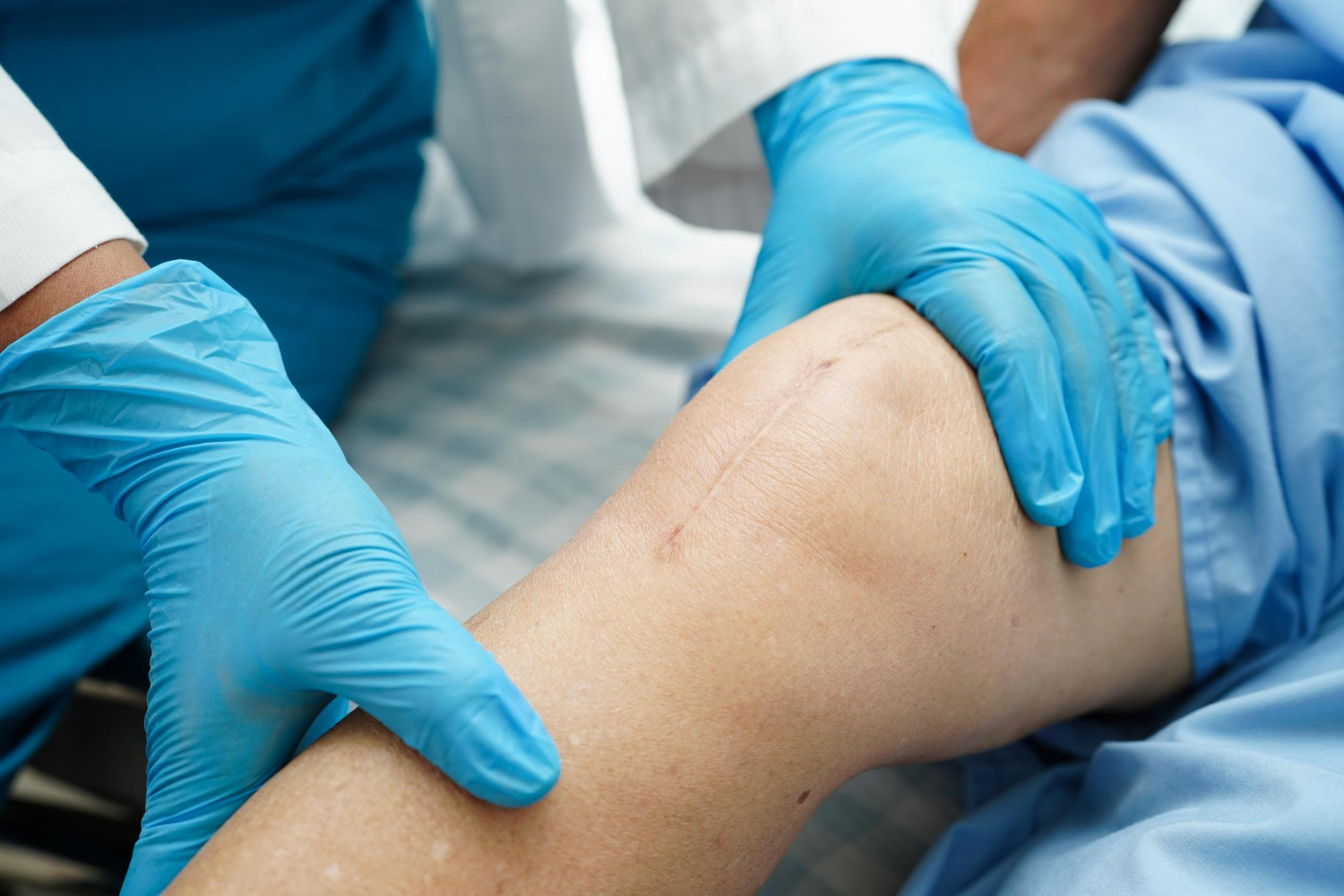
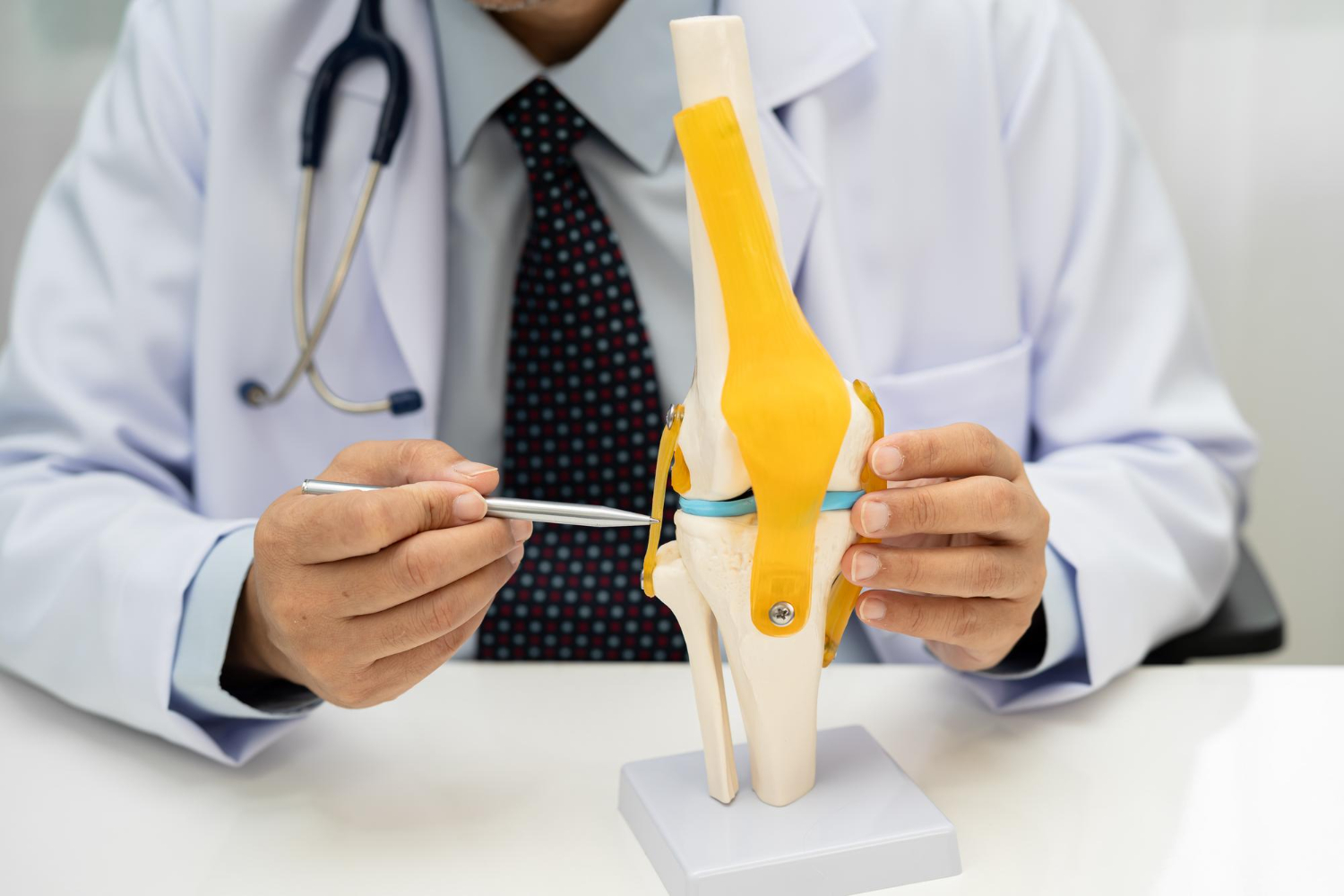
A personalised assessment can help identify areas of weakness or imbalance before pain develops.
When Should a Beginner See an Orthopaedic Specialist?
You don’t need to wait until pain becomes severe to seek advice. Beginners may benefit from consultation if they experience:
- Recurrent knee, shoulder, or ankle pain
- Pain that limits daily activities
- Swelling or stiffness after light exercise
- Previous injuries that affect movement confidence
- Uncertainty about which exercises are safe
Early guidance supports safer progress and helps individuals stay consistent with their goals.
How Does a Healthy Lifestyle Support Long-Term Joint Health?
Regular, well-guided movement improves:
- Joint lubrication
- Muscle strength and balance
- Bone health
- Posture and coordination
Over time, this reduces the risk of joint degeneration and injury. A healthy lifestyle is not about extremes, it’s about maintaining movement that supports your body for years to come.
5 FAQs for Beginners Starting a Healthy Lifestyle
1. Should I stop exercising if I feel joint pain?
Yes, if pain is sharp, persistent, or worsening. Rest and assessment are important to prevent injury.
2. How often should beginners exercise?
Starting with 2–3 sessions per week is reasonable. Frequency can increase gradually as tolerance improves.
3. Is stretching enough for a healthy lifestyle?
Stretching helps mobility, but strength and balance exercises are also important for joint support.
4. Can previous injuries affect my ability to start exercising?
Yes. Past injuries may change how joints move. A tailored plan helps reduce re-injury risk.
5. Do I need medical advice before starting exercise?
Not always, but if you have joint pain, previous injuries, or long-term inactivity, professional guidance is beneficial.
Start the New Year Moving With Confidence
A healthy lifestyle doesn’t need to be complicated, but it should be safe, sustainable, and suited to your body. If this is your first step into regular movement, understanding how to protect your joints can help you stay consistent and injury-free.
At The Orthopaedic Practice and Surgery (TOPS), our specialists support individuals at all stages of activity, from beginners starting a healthier routine to those managing existing joint concerns.
Book an appointment today to get personalised guidance and start your health journey with clarity and confidence.