Key Takeaways
- ACL tears and shoulder injuries are among the most common injuries in competitive sports.
- These injuries occur not only in elite athletes but also in recreational players.
- Treatment ranges from physiotherapy to ACL reconstruction and rotator cuff surgery depending on severity.
- Rehabilitation is structured and progressive to restore strength, stability, and safe return to sport.
- Early assessment improves outcomes and reduces long-term complications.
Why Are ACL and Shoulder Injuries So Common in the SEA Games?
The SEA Games (Dec 5–20) showcases athletes performing at their peak, sprinting, pivoting, diving, throwing, and competing under high-intensity conditions. These dynamic movements are also the scenarios where injuries often occur.
Two injuries stand out in both elite and recreational athletes:
- ACL (Anterior Cruciate Ligament) tears
- Rotator cuff injuries
Even if you’re not competing at the SEA Games, the same injury patterns can happen during football games, court sports, weight training, or weekend recreational activities. Understanding how athletes recover provides valuable insight for anyone dealing with similar injuries.
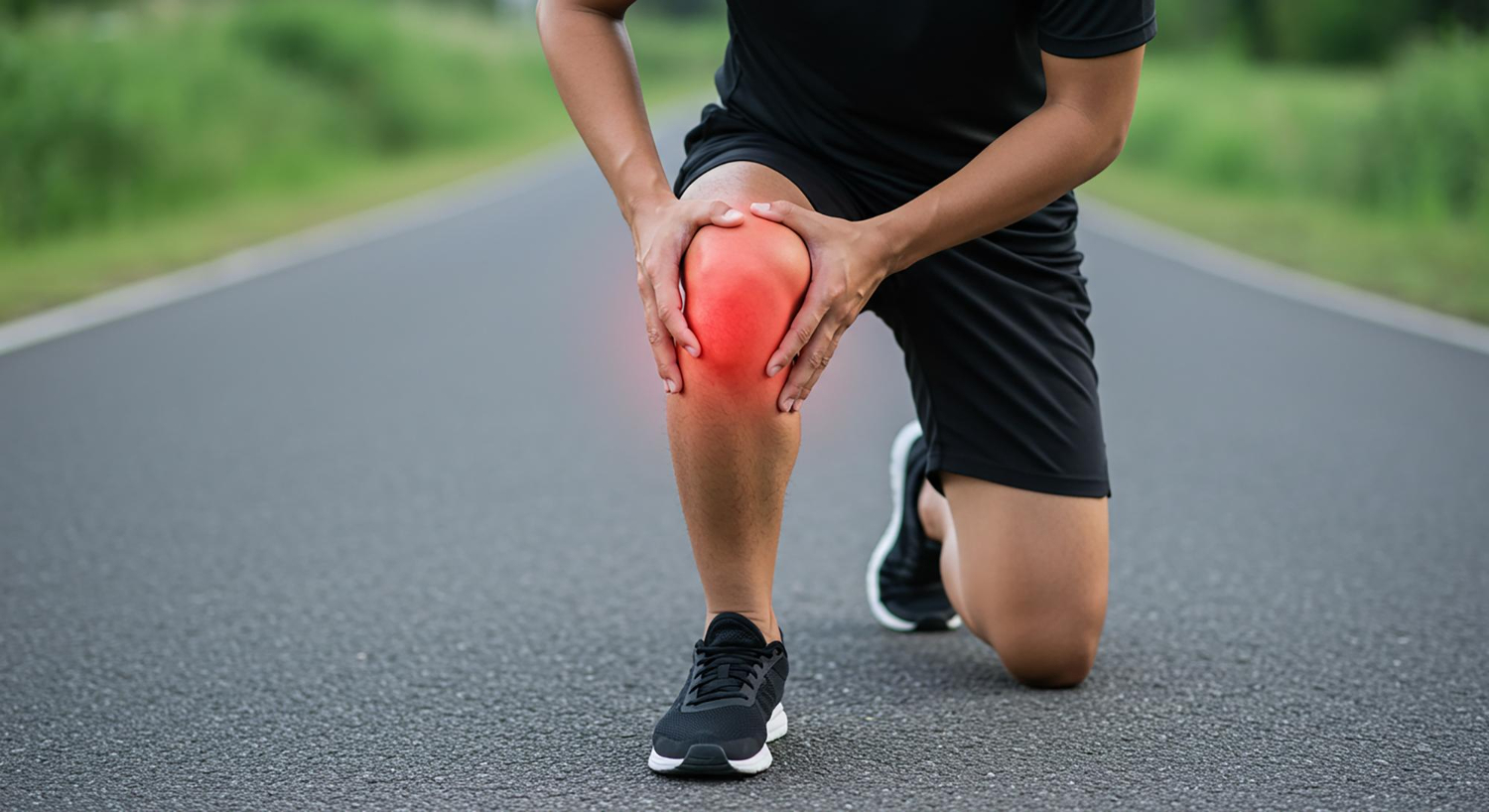
What Is an ACL Tear and How Does It Happen?
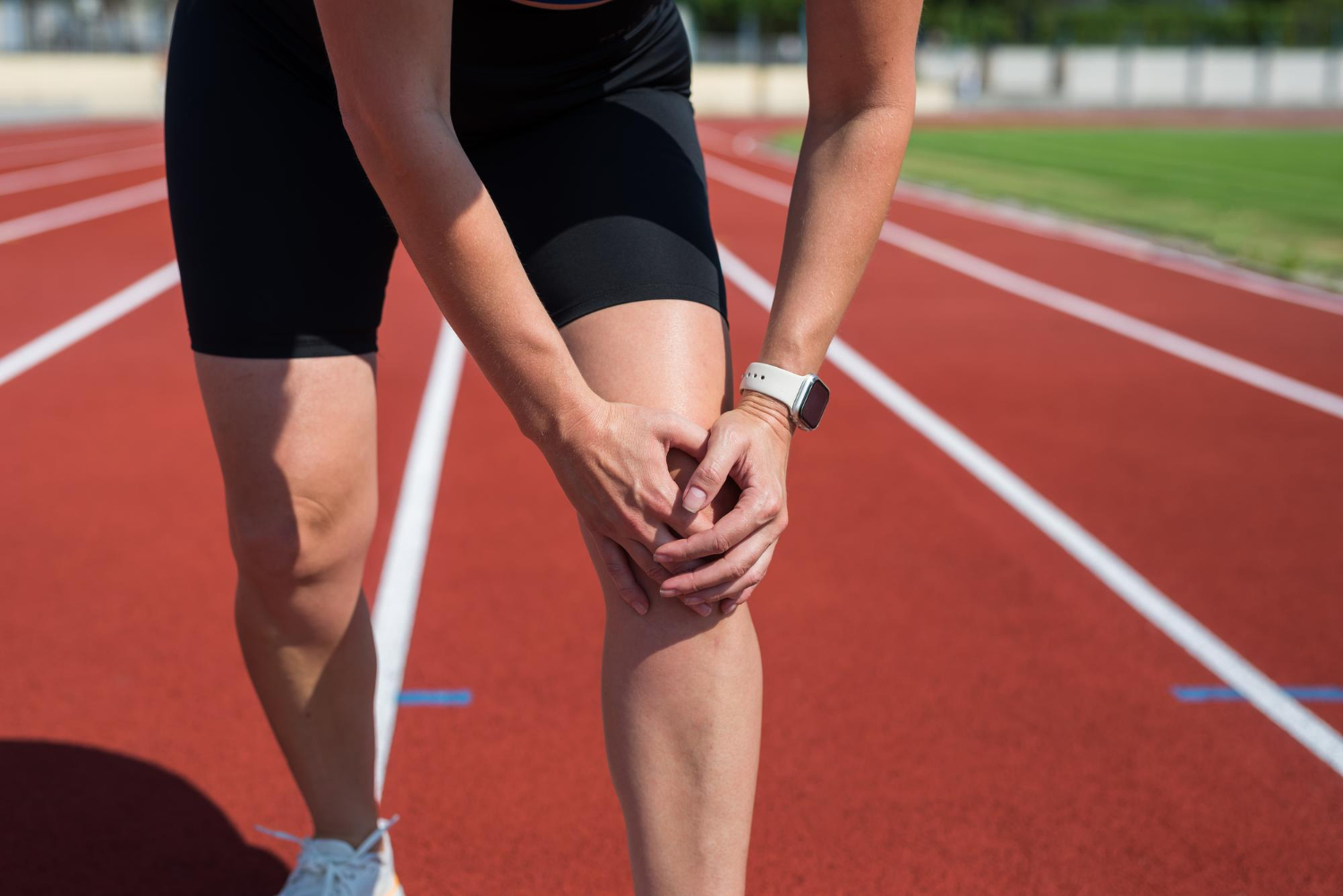
The ACL is one of the key ligaments stabilising the knee. It is commonly injured during movements such as:
- Sudden twisting while changing direction
- Landing awkwardly after a jump
- Sudden deceleration
- Collisions in sports like football or basketball
Symptoms of an ACL tear include:
- A popping sound at injury
- Immediate swelling
- Difficulty walking
- Knee instability or “giving way”
Because the ACL does not heal on its own, proper diagnosis and treatment are important, especially for those who wish to return to an active lifestyle.
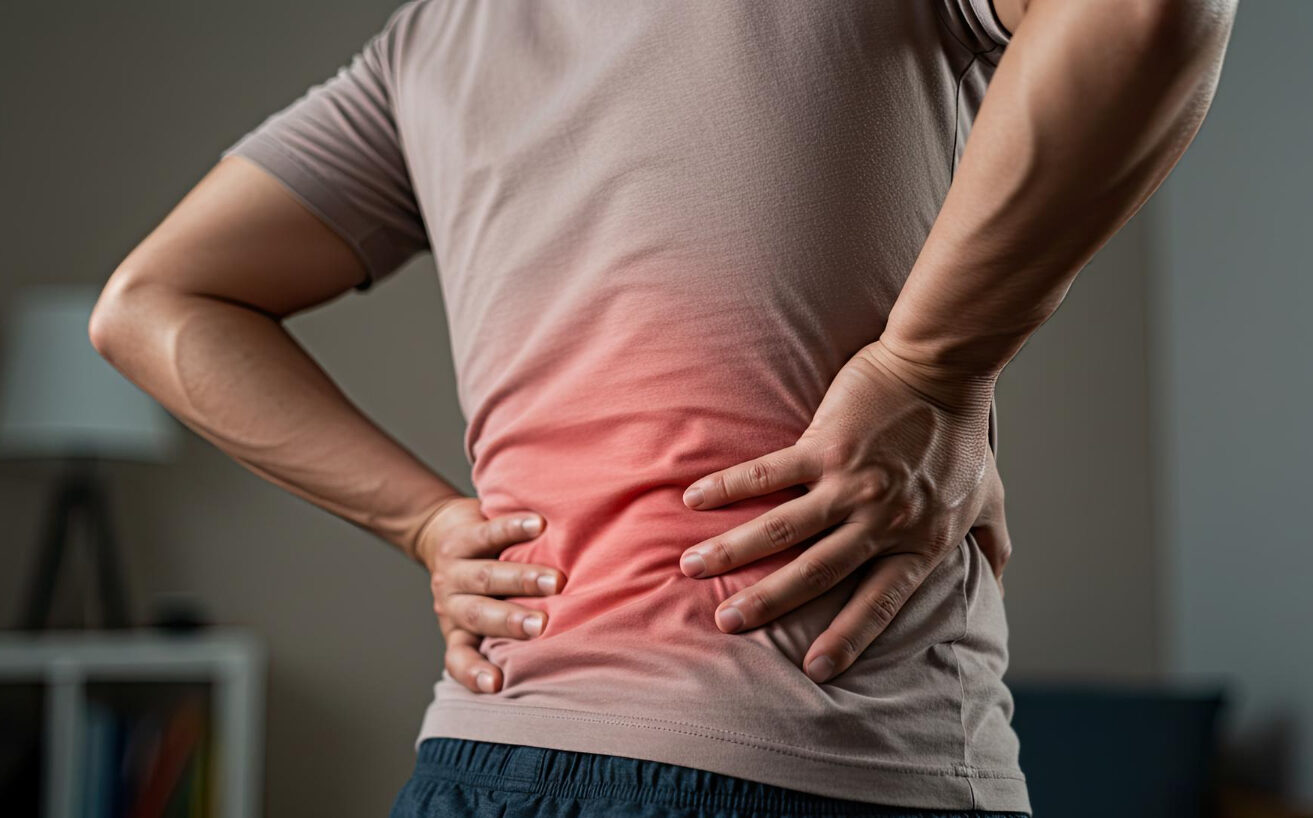
What Is Rotator Cuff Injury?
The rotator cuff is a group of four muscles and tendons that stabilise the shoulder. They are essential for overhead movements like throwing, serving, swimming, and lifting.
Rotator cuff injuries occur due to:
- Sudden trauma (e.g., fall or collision)
- Repetitive overhead actions
- Heavy lifting
- Degeneration from wear and tear
Depending on severity, the injury can range from tendon inflammation to partial or complete tears.
How Are ACL Tears Diagnosed and Treated?
Diagnosis usually includes:
- Physical examination
- MRI scans to assess ligament damage
- X-rays to rule out associated fractures
Non-Surgical Treatment
Suitable for:
- Partial tears
- Patients with low physical activity levels
This approach includes physiotherapy focused on strengthening the hamstrings and quadriceps, balance training, and activity modification.
Surgical Treatment (ACL Tear Treatment)
For complete tears or athletes wishing to return to pivoting sports, ACL reconstruction is often recommended.
This involves:
- Replacing the torn ligament with a graft (usually from the patient’s own hamstring or patellar tendon)
- Arthroscopic (keyhole) techniques to reduce soft tissue disruption
Recovery:
- 6–9 months with structured physiotherapy
- Progressive strengthening and agility training
- Return to sport only after meeting stability and functional milestones
This is the same pathway many SEA Games athletes follow to safely return to high performance.
How Are Rotator Cuff Injuries Diagnosed and Treated?
Diagnosis involves:
- Physical examination to test strength and mobility
- MRI scans to identify tendon tears
Non-Surgical Treatment
Many mild to moderate cases respond to:
- Physiotherapy for mobility and strength
- Activity modification
- Anti-inflammatory medications
- Injections where appropriate
Surgical Treatment (Rotator Cuff Surgery)
For significant tears or cases where non-surgical care fails, surgery may be considered.
Common procedures include:
- Arthroscopic repair of torn tendons
- Subacromial decompression to relieve impingement
- Open repair for more complex tears
Recovery:
- Initial sling protection
- Guided physiotherapy starting with passive motion
- Gradual strengthening
- 4–6 months for functional restoration
- Up to 9–12 months for heavy overhead sport
What Can Everyday Athletes Learn From SEA Games Injury Recovery?
1. Early Assessment Matters
Ignoring knee or shoulder pain can worsen the injury. SEA Games athletes undergo early scans and intervention, and everyday athletes should do the same.
2. Rehabilitation Is as Important as Treatment
Whether you undergo ACL tear treatment or rotator cuff surgery, structured physiotherapy is essential to regain strength and prevent re-injury.
3. Prevention Starts With Conditioning
Strong muscles protect joints. Warming up, cross-training, and avoiding sudden increases in intensity are key injury-prevention habits.
4. Returning to Sport Is Gradual
Elite athletes do not rush back onto the field. They progress through phases of recovery, ensuring their joints are stable and strong before competing again.
When Should You See an Orthopaedic Specialist?
Seek medical evaluation if you experience:
- Persistent knee or shoulder pain
- Swelling that does not improve
- Instability, clicking, or locking
- Weakness during lifting or pivoting
- Difficulty raising the arm or bending the knee
Early diagnosis ensures timely treatment and supports long-term joint health.
FAQs About ACL Tears, Rotator Cuff Injuries, and Treatment
1. Do all ACL tears require surgery?
No. Partial tears or patients with low activity levels may improve with physiotherapy. Complete tears often require reconstruction for stability.
2. How long before I can return to sport after ACL surgery?
Most return between 6–9 months, depending on rehabilitation progress and functional testing.
3. Is rotator cuff surgery always necessary for shoulder pain?
Not always. Many cases respond well to physiotherapy. Surgery is considered for significant tears or persistent symptoms.
4. Can these injuries occur outside competitive sports?
Yes. Weekend sports, gym workouts, or even daily activities can lead to similar injuries.
5. Will I regain full motion after rotator cuff or ACL treatment?
Most patients recover good function with proper rehabilitation, though timelines vary based on severity and treatment type.
Stay Injury-Smart This SEA Games Season
The SEA Games spotlight shows how demanding sports can be on the body, but also how effective treatment and rehabilitation can help athletes come back stronger.
If you’re experiencing knee or shoulder pain, early assessment can prevent long-term issues and support a safer return to activity.
Book an appointment with The Orthopaedic Practice and Surgery (TOPS) to explore treatment options for ACL tears, shoulder injuries, and other sports-related conditions.