My Elbow Still Hurts After Months of Treatment, Should I Consider Surgery?

My Elbow Still Hurts After Months of Treatment, Should I Consider Surgery

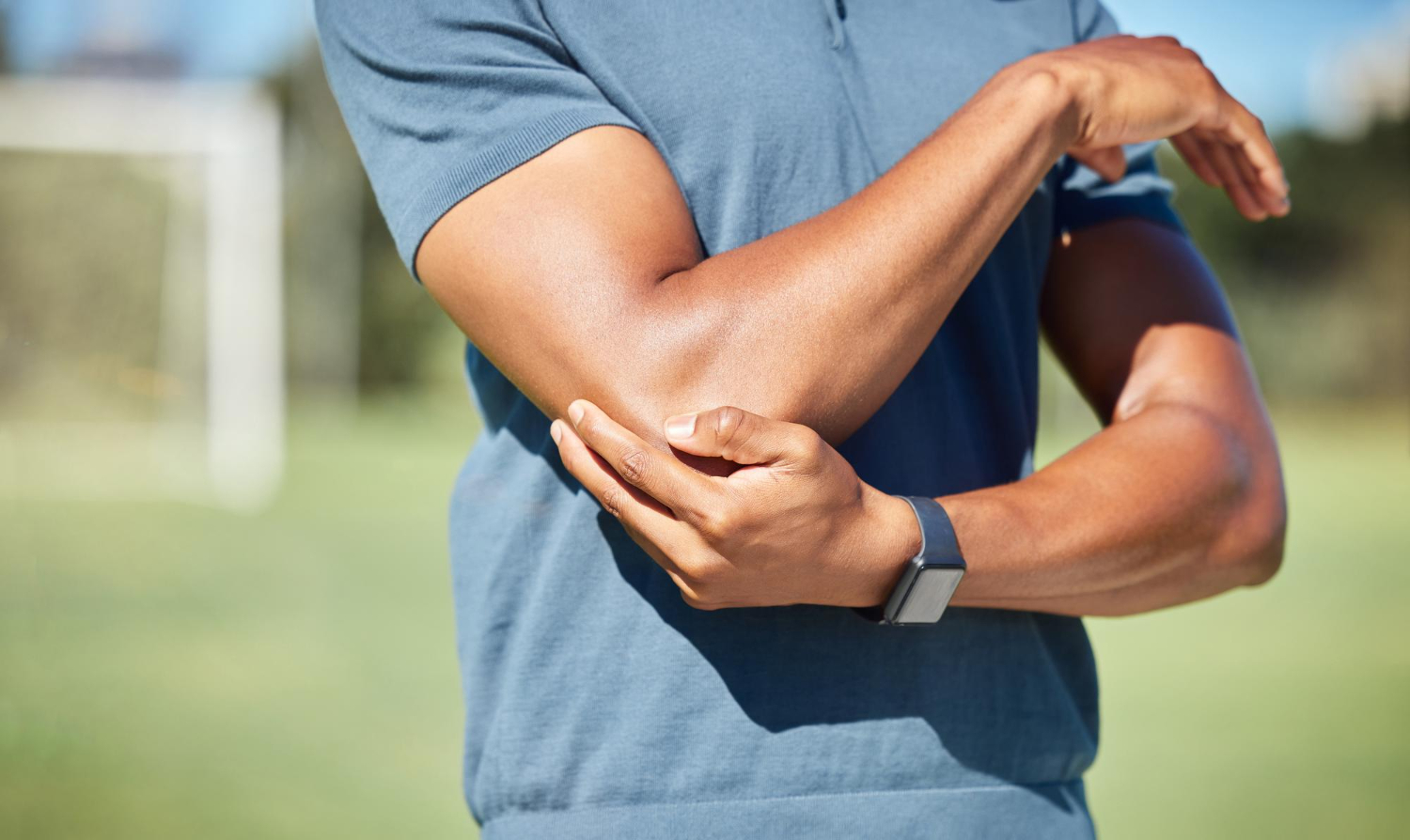
Elbow pain can be surprisingly persistent. What started as discomfort during exercise, work, or everyday activities may still be bothering you months later, even after giving it time to rest or trying treatments such as physiotherapy, medication, or activity modification.

When the pain keeps returning or simply does not improve as expected, it is natural to start wondering whether something more needs to be done. Is surgery the next step, or are there still other treatment options to consider?

Persistent elbow pain does not automatically mean you need surgery. The next step depends on what is causing the pain, how much it is affecting your movement and daily activities, and how your elbow has responded to treatment so far.

If your elbow pain is not getting better, an orthopaedic assessment can help determine why your symptoms are persisting and what treatment options may be appropriate.

Key Pointers

  • Persistent elbow pain does not automatically mean surgery is necessary.
  • Conditions affecting the tendons, ligaments, cartilage, joints, bones, or nerves can cause ongoing elbow symptoms.
  • Finding the underlying cause is important when pain continues despite treatment.
  • Non-surgical treatments are commonly considered before elbow surgery, depending on the diagnosis.
  • Surgery may be discussed when appropriate conservative treatment has not provided sufficient improvement or when the nature of the injury requires surgical management.
  • Rehabilitation is an important part of recovery following many elbow procedures.

Why Might Elbow Pain Continue for Months?

There is no single explanation for chronic elbow pain.
Sometimes the injured tissue simply requires more time to recover. In other cases, the activity that contributed to the problem may still be placing stress on the elbow.
Persistent symptoms may also occur because:
  • The underlying condition has not been identified
  • The elbow is repeatedly overloaded
  • Rehabilitation has not adequately restored strength or mobility
  • The injury is more significant than initially suspected
  • There is an associated ligament, cartilage, joint, or nerve problem
This is why simply waiting for pain to disappear may not always resolve an ongoing elbow problem.

Which Elbow Conditions Can Cause Persistent Pain?

Where your elbow hurts, which movements trigger the pain, and whether you experience other symptoms can provide clues about the cause.

Tennis Elbow

Despite its name, tennis elbow does not only affect tennis players. It involves the tendons on the outside of the elbow and may develop with repetitive gripping or wrist movements.
Pain is usually felt on the outer elbow and may worsen when gripping, lifting, or carrying objects.

Golfer's Elbow

Golfer’s elbow affects the tendons on the inner side of the elbow. It can cause pain during gripping, wrist movement, or activities involving repetitive use of the forearm.

Elbow Ligament Injuries

Ligament injuries may occur following trauma or repetitive stress. Some people experience pain, weakness, or a sensation that the elbow is unstable during certain movements.

Elbow Arthritis

Changes within the elbow joint can lead to pain, stiffness, swelling, and reduced range of motion. Symptoms may gradually interfere with activities requiring the elbow to bend or straighten fully.

Nerve Compression

Nerves travelling around the elbow can become irritated or compressed. In addition to elbow discomfort, this may cause numbness, tingling, or weakness extending into the hand or fingers.

Previous Injuries

Fractures, dislocations, and other previous elbow injuries can sometimes result in persistent pain, stiffness, instability, or other problems after the initial injury has healed.
Because different conditions can produce similar symptoms, an accurate diagnosis is important before deciding on further treatment.

How Do Doctors Determine What's Causing Persistent Elbow Pain?

An orthopaedic assessment typically begins by understanding the history of your symptoms.
Your doctor may ask:
  • When did the pain begin?
  • Was there a specific injury?
  • Where exactly does it hurt?
  • Which movements make it worse?
  • Do you experience clicking, locking, weakness, numbness, or instability?
  • What treatments have you already tried?
  • How is the problem affecting work, exercise, sport, or daily activities?
A physical examination can assess tenderness, movement, strength, stability, and nerve function.
Depending on the suspected condition, investigations such as an X-ray, ultrasound, or MRI may sometimes be recommended.
The aim is not simply to confirm that your elbow hurts, but to understand why it continues to hurt.

What Treatments Are Usually Considered Before Elbow Surgery?

Treatment depends on the diagnosis rather than how long the pain has been present.
Depending on the condition, non-surgical management may include:
  • Activity modification
  • Physiotherapy
  • Strengthening and mobility exercises
  • Medication for pain or inflammation
  • Bracing or supports
  • Injections in selected cases
For some conditions, rehabilitation may need to continue for several weeks or months before improvement becomes noticeable.
Your doctor may also recommend modifying activities that repeatedly aggravate the elbow while gradually rebuilding its ability to tolerate load.

When Might Elbow Surgery Become an Option?

Surgery is not automatically recommended simply because elbow pain has lasted for several months.
It may be discussed when:
  • Appropriate non-surgical treatments have not provided sufficient improvement
  • Pain continues to significantly affect everyday activities
  • There is persistent instability
  • Movement remains considerably restricted
  • A tendon or ligament has sustained a significant injury
  • There is structural damage that may benefit from surgical treatment
  • Nerve compression is causing progressive symptoms
The decision should consider your diagnosis, symptom severity, activity level, treatment history, and personal goals.
For example, the demands placed on the elbow by a competitive athlete may be different from those of someone whose symptoms primarily affect everyday activities.

What Determines the Type of Elbow Surgery Needed?

There is no single procedure called “elbow surgery.” The procedure considered depends on the condition being treated. Depending on the diagnosis, elbow surgery may involve:
  • Repairing or reconstructing damaged ligaments
  • Treating damaged tendons
  • Removing loose fragments within the joint
  • Addressing cartilage or joint problems
  • Releasing a compressed nerve
  • Treating stiffness or restricted movement
  • Elbow joint replacement in selected cases
Some conditions may be treated using elbow arthroscopy, which involves using a small camera and instruments through small incisions. Other conditions may require open surgery.
Your orthopaedic surgeon explain the proposed procedure, expected benefits, possible risks, alternatives, and rehabilitation requirements before you decide whether to proceed.

What Does Rehabilitation After Elbow Surgery Involve?

Surgery is only one part of the recovery process.
Rehabilitation following elbow surgery may focus on gradually restoring:
  • Range of motion
  • Strength
  • Joint stability
  • Coordination
  • Ability to perform everyday activities
  • Sport- or work-specific function
The rehabilitation timeline varies considerably depending on the procedure performed.
Some patients may begin controlled movement relatively early, while others may need to protect the repaired tissues for a period before progressing with exercises.
Following the recommended rehabilitation programme is important for supporting recovery and reducing the risk of stiffness or reinjury.

How Do I Know If It's Time to See an Elbow Specialist?

Consider having your elbow assessed if pain has persisted despite appropriate self-care or treatment, particularly if you are experiencing:
  • Pain that interferes with work or exercise
  • Difficulty lifting or gripping
  • Persistent stiffness
  • Reduced range of motion
  • Recurrent swelling
  • Clicking or locking
  • Elbow instability
  • Numbness or tingling
  • Weakness in the arm or hand

You do not need to wait until the pain becomes severe before seeking an assessment.

Frequently Asked Questions About Persistent Elbow Pain

1. How long is too long for elbow pain?

There is no single timeframe that applies to everyone. If elbow pain continues for several weeks or months despite appropriate treatment, or is interfering with normal activities, further assessment may be appropriate.

2. Does chronic elbow pain always require surgery?

No. Many elbow conditions can be managed without surgery. Whether surgery is appropriate depends on the diagnosis, severity of the condition, response to previous treatment, and individual circumstances.

3. Can physiotherapy still help after months of elbow pain?

It may. Depending on the underlying condition, a structured rehabilitation programme can help improve strength, mobility, and the elbow’s ability to tolerate activity. Your doctor or physiotherapist can advise whether this is appropriate for you.

4. What tests might I need for persistent elbow pain?

Not everyone requires imaging. Depending on your symptoms and examination, your doctor may recommend an X-ray, ultrasound, MRI, or other investigations to better understand the cause.

5. How long does recovery from elbow surgery take?

Recovery varies according to the condition, procedure, and individual patient. Some procedures have relatively shorter rehabilitation periods, while tendon or ligament repairs may require several months before unrestricted activity or sport is considered.

Still Dealing With Elbow Pain? Find Out What's Keeping It From Improving

Months of elbow pain can be frustrating, particularly when you have already tried treatment and expected the problem to settle. But persistent symptoms do not necessarily mean that surgery is your only option.
The next step is understanding why the elbow is still hurting.
If your symptoms continue despite appropriate treatment or are beginning to affect work, exercise, sport, or everyday activities, an orthopaedic assessment can help determine the underlying cause.
Dr Eileen Tay, Senior Consultant Orthopaedic Surgeon at The Orthopaedic Practice and Surgery (TOPS), manages elbow conditions and can discuss suitable non-surgical and surgical treatment options based on your diagnosis and individual needs.
WhatsApp Us