The quick answer to this question is HYROX training places repeated stress on the shoulders, knees, and Achilles tendon. When training intensity increases too quickly, these areas are often the first to develop overuse injuries such as shoulder overload, knee strain, and Achilles tendon irritation.
HYROX has quickly become one of the most demanding fitness events combining endurance, strength, and functional movement into a single race format.
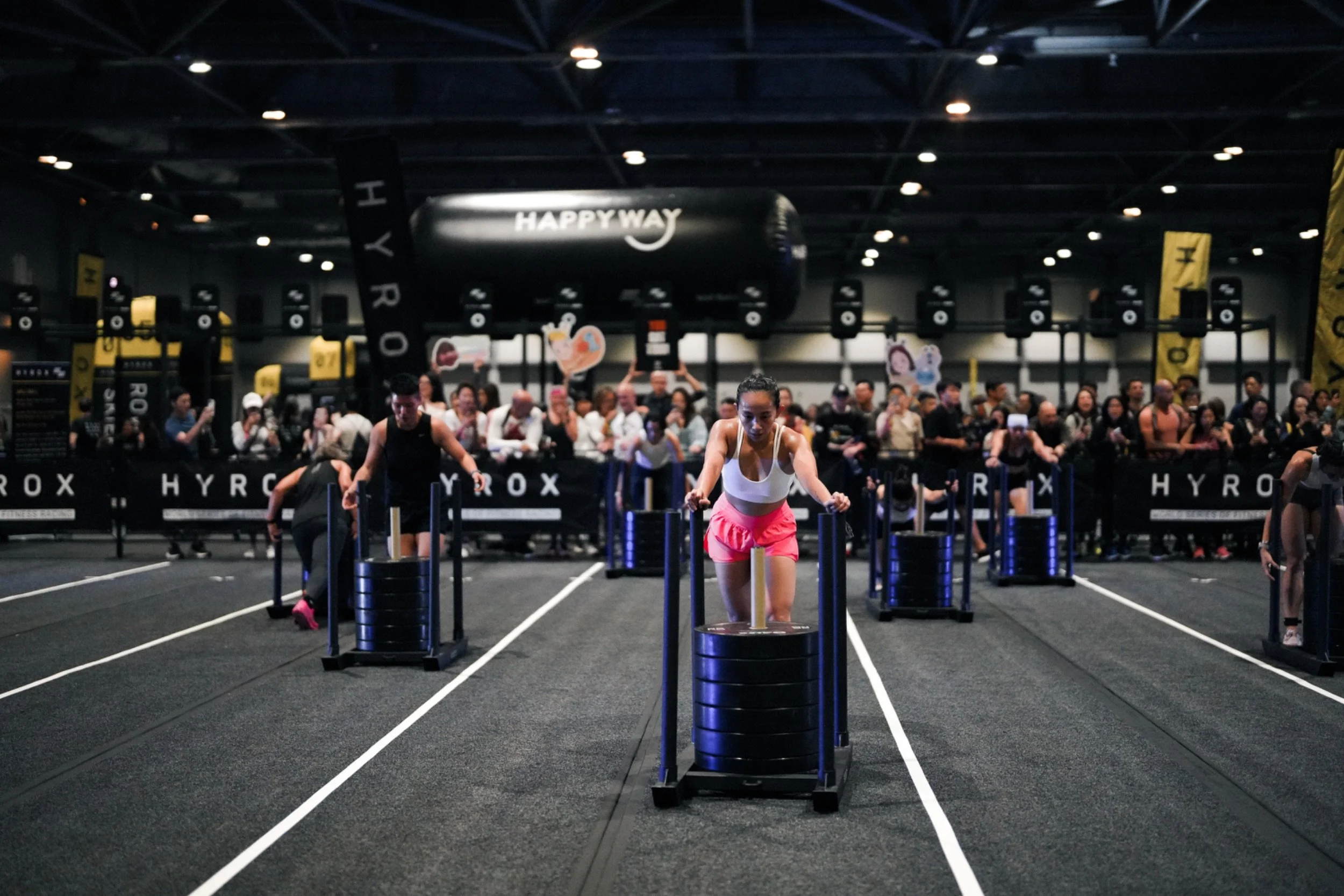
Like with the AIA HYROX Singapore from April 3-5, 2026, with 8 x 1km runs and 8 workout stations, it pushes both recreational and competitive athletes to their limits.
And while the challenge is part of the appeal, one thing often follows when training ramps up too quickly:
Injuries from overload, not accidents.
So what actually breaks down first when you train too hard?
Key Pointers
- HYROX training commonly stresses the shoulders, knees, and Achilles tendon
- Most injuries are overuse-related, not from a single incident
- Shoulder overload can occur from repeated pushing, pulling, and overhead movements
- Knee strain is often linked to running volume and squatting movements
- Achilles issues may develop with high-impact running and jumping
- Persistent pain may indicate the need for assessment by an orthopaedic doctor
Why HYROX Training Places Unique Stress on the Body
Unlike traditional gym workouts, HYROX combines:
- Running endurance
- Functional strength movements
- Repetitive high-load exercises
- Minimal recovery between stations
This combination means certain joints and tendons are repeatedly loaded especially when athletes train frequently or increase intensity too quickly.
Even experienced athletes may find that fatigue affects their form, placing additional strain on specific areas.
Which Body Parts Break Down First in HYROX Training?
1. Why Does Shoulder Pain Develop in HYROX Training?
The shoulder is heavily involved in HYROX workouts, particularly in movements like:
- Sled pushes and pulls
- Wall balls
- Farmers carries
- Burpee broad jumps
These exercises require both stability and endurance.
Over time, repetitive loading may lead to:
- Shoulder overload
- Tendon irritation
- Reduced control during movement
Shoulder pain in these settings often develops gradually, especially when athletes push through fatigue or compromise technique.
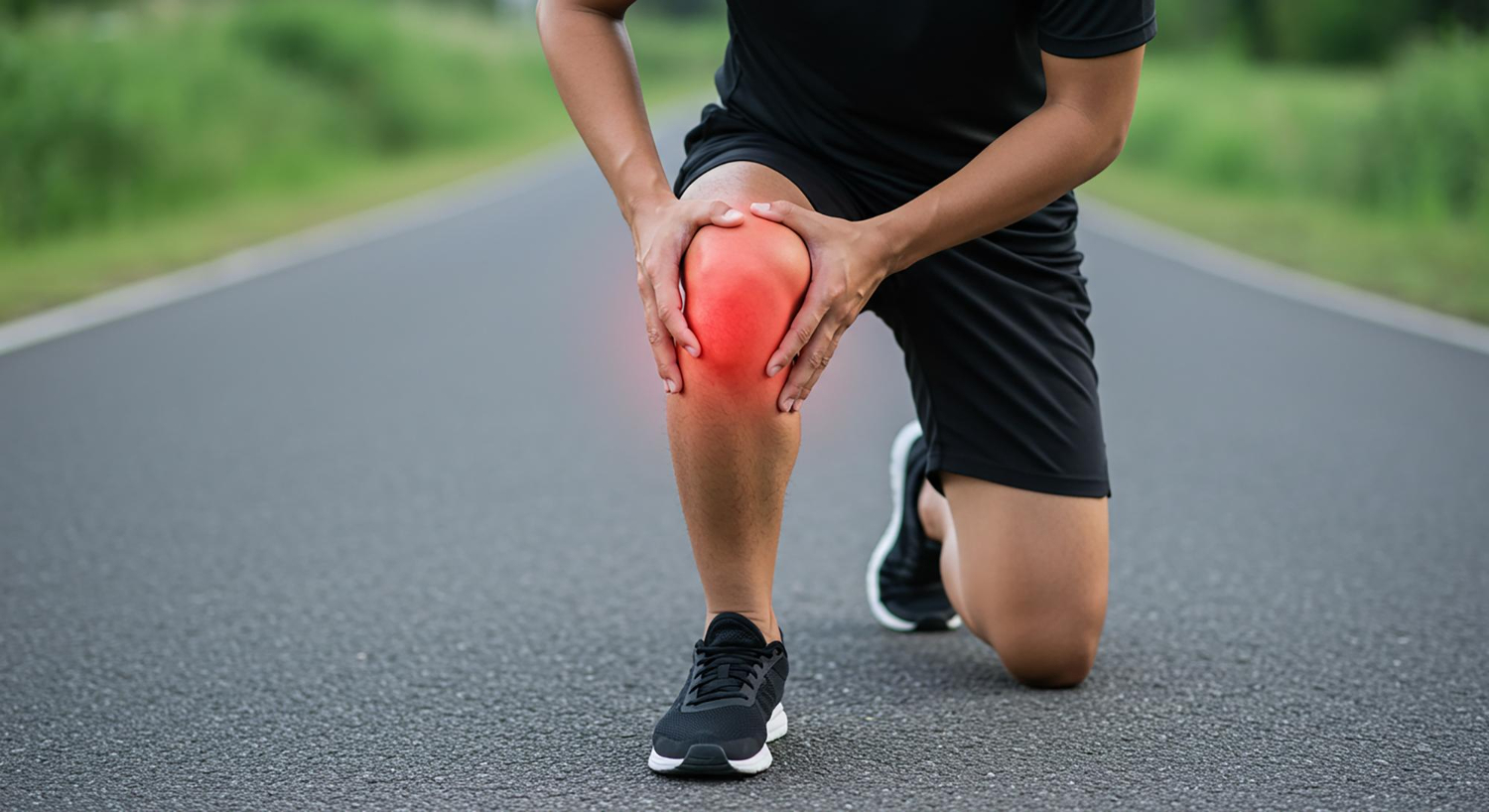
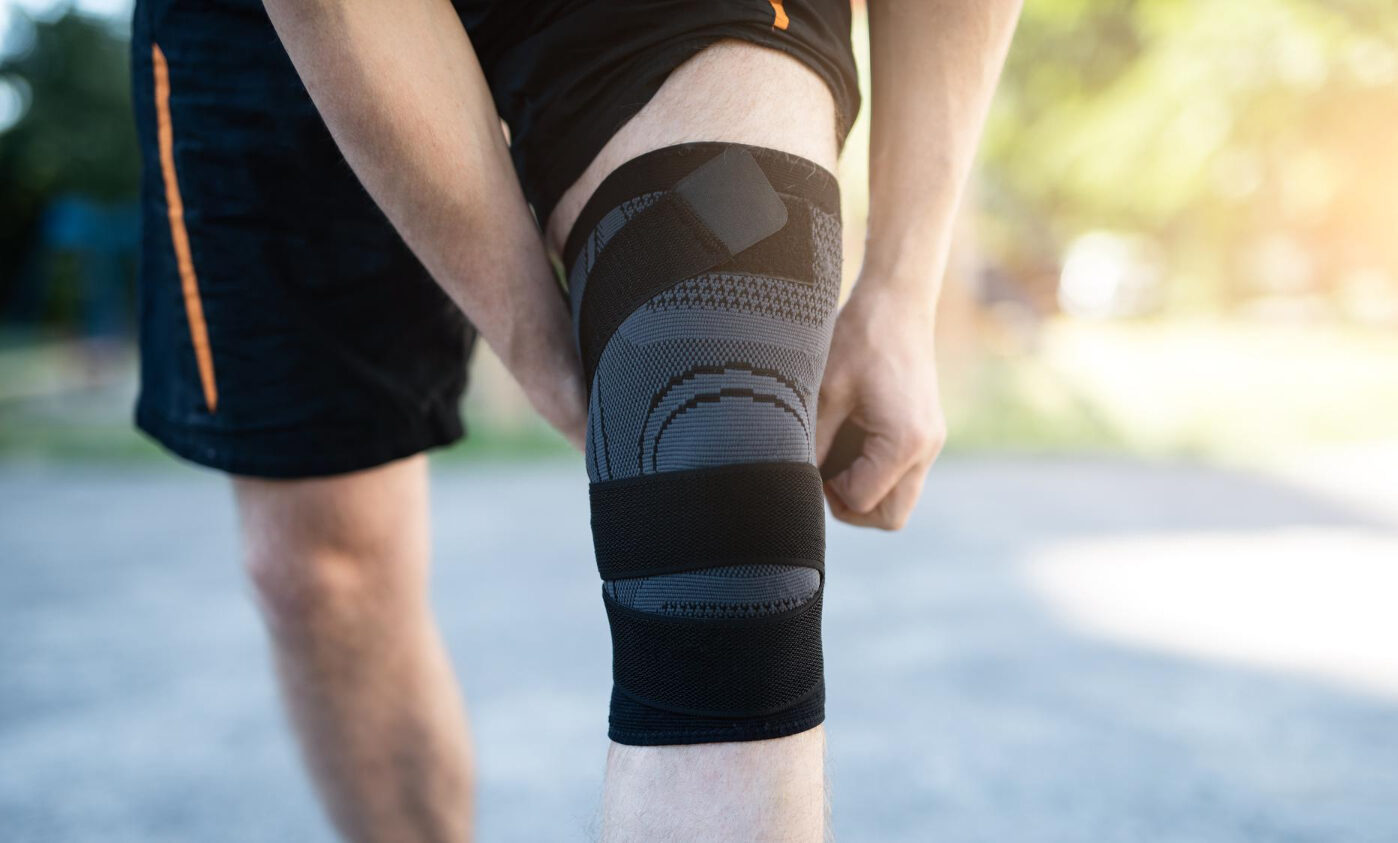
2. Why Do Knees Start to Hurt During HYROX Training?
The knees absorb a significant amount of load during both running and strength-based movements.
Common contributing factors include:
- High running volume
- Repetitive squatting or lunging
- Poor landing mechanics
- Muscle imbalances around the hips and thighs
This can lead to knee strain, particularly around the front of the knee or during weight-bearing exercises.
In some cases, persistent knee pain may be linked to early joint irritation or overuse-related conditions.
3. Why Is the Achilles Tendon at Risk?
The Achilles tendon plays a key role in running, jumping, and explosive movements.
In HYROX-style training, it is repeatedly stressed during:
- Running intervals
- Burpees and jumps
- Sled work
When load increases too quickly, the tendon may not have enough time to adapt.
This can result in:
- Tightness in the back of the ankle
- Pain during running
- Morning stiffness
- Gradual worsening discomfort
Left unaddressed, this may develop into Achilles tendon irritation.
How Do Overuse Injuries Develop Over Time?
Unlike sudden injuries, overuse injuries often follow a pattern:
- Mild discomfort during or after training
- Pain that returns with each session
- Reduced performance or compensation
- Persistent pain even at rest
Because symptoms build gradually, many athletes continue training assuming it is normal soreness.
However, this can allow small issues to progress.
When Is It Just Soreness and When Is It an Injury?
Normal muscle soreness typically:
- Improves within a few days
- Does not affect movement significantly
- Occurs after unfamiliar or intense exercise
In contrast, injury-related pain may:
- Last more than 2–3 weeks
- Worsen with repeated activity
- Affect strength or mobility
- Cause discomfort during daily movements
Recognising this difference is important for preventing more serious issues.
How Can You Reduce Injury Risk During HYROX Training?
Training smarter can help reduce strain on joints and tendons.
Consider:
- Gradual progression in training intensity
- Adequate rest and recovery days
- Strength training to support joints
- Attention to technique, especially under fatigue
- Addressing minor pain early
Consistency matters but so does recovery.
When Should You See an Orthopaedic Doctor for HYROX-Related Pain?
If pain persists or begins to affect performance, it may be helpful to seek assessment.
Consider consulting an orthopaedic doctor if you experience:
- Shoulder pain with weakness or limited movement
- Knee pain that affects running or squatting
- Achilles pain that worsens over time
- Symptoms lasting more than a few weeks
At The Orthopaedic Practice and Surgery (TOPS), orthopaedic specialists assess sports-related injuries affecting joints, tendons, and muscles across different activity levels .
Evaluation may help determine whether symptoms are due to overuse, technique-related strain, or structural injury and guide appropriate management.
Frequently Asked Questions
What is the most common injury in HYROX training?
Overuse injuries affecting the shoulders, knees, and Achilles tendon are commonly reported due to repetitive high-load movements.
Can I continue training with mild pain?
Mild soreness may be manageable, but persistent or worsening pain should not be ignored.
Why does my shoulder hurt after functional training?
Repetitive pushing, pulling, and overhead movements can lead to tendon irritation or shoulder overload.
How do I prevent knee pain during HYROX?
Strengthening the hips and thighs, improving running mechanics, and avoiding sudden increases in training load can help reduce risk.
Is Achilles pain serious?
Early-stage Achilles discomfort may improve with rest and load management, but persistent pain should be evaluated to prevent progression.
What injuries are common in HYROX or CrossFit-style training?
Common injuries include shoulder overload, knee strain, and Achilles tendon irritation. These typically develop due to repetitive movements, high training volume, and insufficient recovery.
Why do overuse injuries happen in high-intensity training?
Overuse injuries occur when the body is exposed to repeated stress without enough recovery time. Muscles fatigue, movement patterns change, and joints begin to absorb more load than they can tolerate.
How do I know if my pain is from overtraining?
Pain that persists beyond a few weeks, worsens with activity, or affects performance may suggest overuse injury rather than temporary muscle soreness.
Train Hard But Don’t Ignore the Discomfort, Book a Consultation
HYROX is designed to challenge both strength and endurance, and that’s what makes it rewarding.
But pushing harder is not always the answer.
If your shoulder, knee, or Achilles pain keeps coming back, it may be your body’s way of asking for attention.
At The Orthopaedic Practice and Surgery (TOPS), the focus is on helping individuals understand their symptoms and explore appropriate treatment options for safe return to activity.
If pain is affecting your training or daily movement, consider scheduling a consultation to assess the cause and plan your next steps.