A Chinese New Year Guide to Inflammation and Joint Health
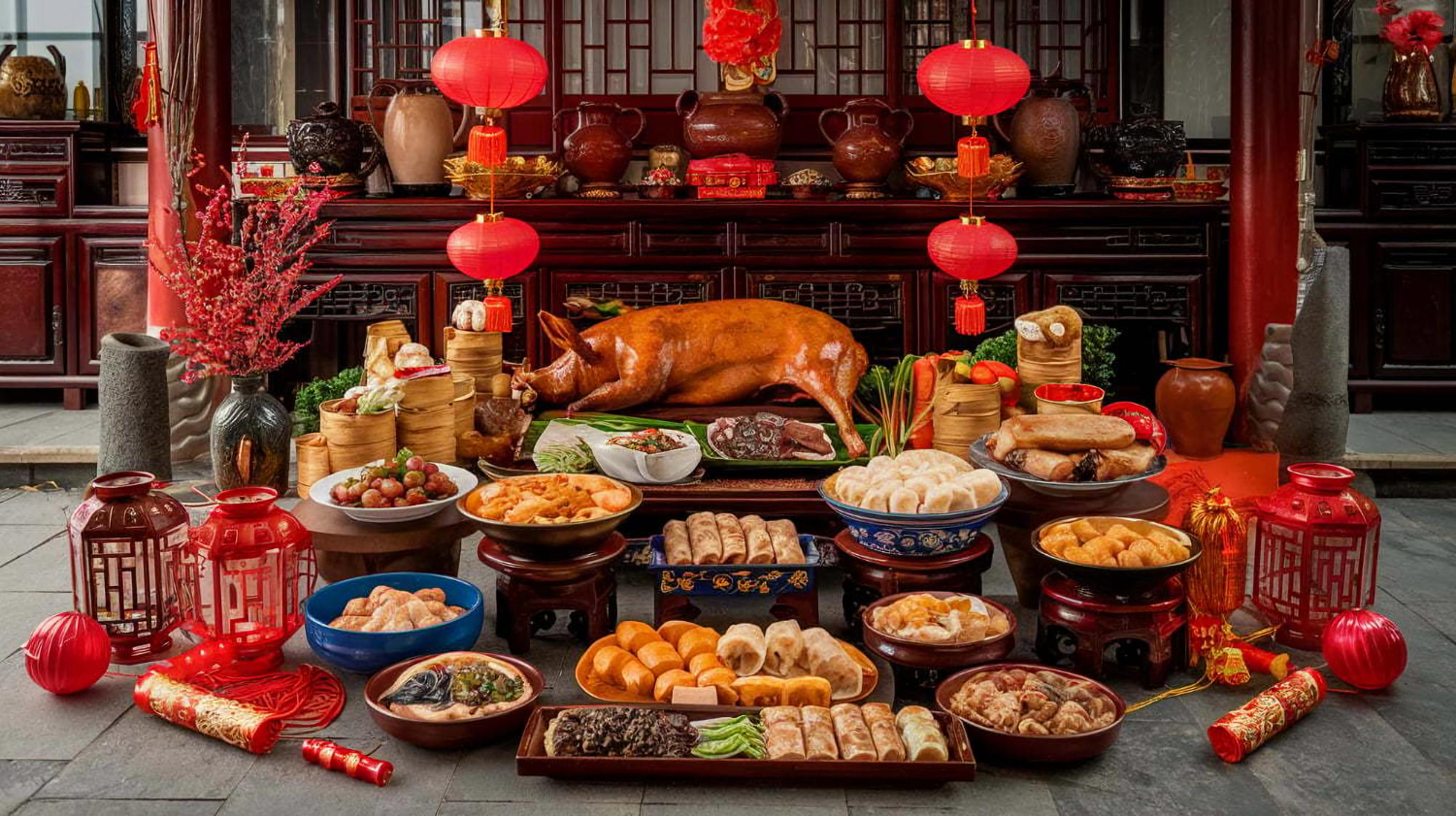
Chinese New Year is a season of abundance, reunion dinners, festive snacks, celebratory drinks, and long evenings around the table.
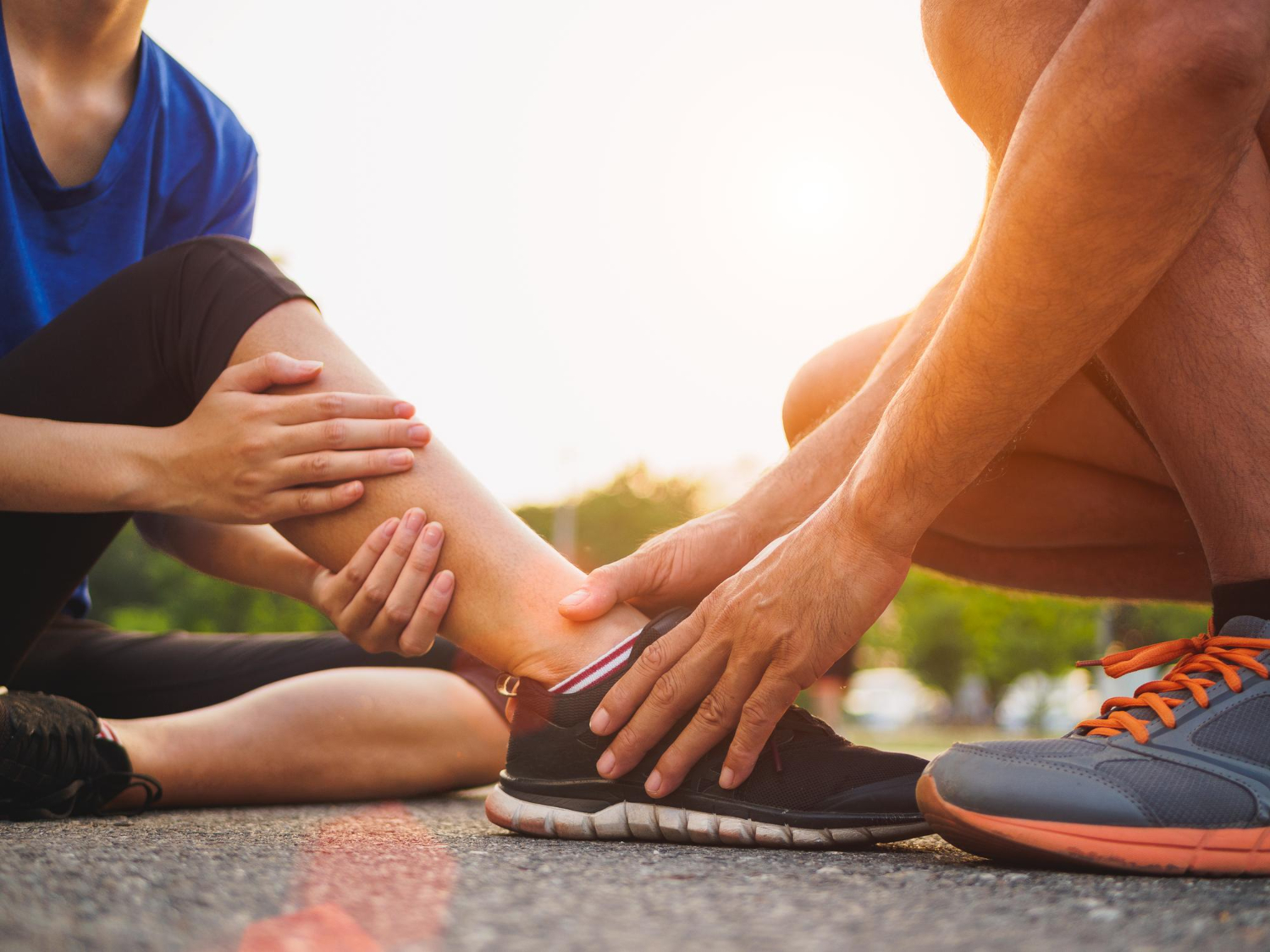
While enjoying festive food is part of the celebration, some people notice something unexpected afterwards:
- Knees feeling stiffer
- Fingers aching
- A swollen big toe
- Joints are feeling more painful than usual
It raises a common question:
Can what you eat affect your joints?
The short answer is, in some cases, yes.
Let’s explore how diet, inflammation, and joint health may be connected.
How Are Food and Joint Pain Linked?
Certain foods can influence inflammation levels in the body.
Inflammation plays a role in several joint conditions, including:
- Osteoarthritis
- Gout
- Tendon inflammation
- Some inflammatory arthritic conditions
During festive periods, dietary patterns often shift toward:
- Higher intake of red meat and seafood
- Increased alcohol consumption
- Sugary snacks and desserts
- Larger portion sizes
For some individuals, these changes may contribute to temporary joint discomfort or flare-ups.
Does Sugar Increase Inflammation?
Excessive sugar intake may contribute to systemic inflammation in some individuals.
Festive treats such as:
- Pineapple tarts
- Love letters
- Sweet drinks
- Desserts
Can increase blood sugar levels rapidly. Over time, frequent spikes in blood sugar may influence inflammatory pathways in the body.
While occasional indulgence is unlikely to cause lasting harm, consistently high sugar intake may aggravate joint symptoms in individuals with existing arthritis.
Can Alcohol Worsen Joint Pain?
Alcohol consumption during Chinese New Year celebrations is common.
Alcohol may:
- Increase uric acid levels in the blood
- Contribute to dehydration
- Trigger gout flares in susceptible individuals
A gout attack often presents as sudden, severe pain, most commonly in the big toe, but sometimes in the ankle or knee.
If someone asks,
“Why did my toe suddenly swell after reunion dinner?”
Gout may be one possible explanation.
However, not all joint pain after drinking alcohol is gout. Proper evaluation is important to determine the cause.
What About Red Meat and Seafood?
Red meat, organ meats, and certain seafood contain higher levels of purines.
Purines are broken down into uric acid in the body. When uric acid accumulates, it may form crystals in joints, triggering inflammation in people predisposed to gout.
This does not mean these foods must be completely avoided. Moderation is often key.
For individuals with a known history of gout, dietary planning during festive periods may help reduce the likelihood of flare-ups.
Does Weight Gain Affect Joint Health?
Chinese New Year can also mean reduced physical activity and increased calorie intake.
Even small weight changes may influence joints, particularly the knees and hips.
The knee joint experiences several times body weight during walking. Additional weight may increase stress on:
- Knee cartilage
- Meniscus
- Supporting ligaments
In individuals with osteoarthritis, this added stress may temporarily worsen symptoms.
Why Do My Joints Feel Stiff After Sitting for Long Periods?
Festive gatherings often involve prolonged sitting during reunion dinners, visiting relatives, or playing mahjong.
Prolonged sitting may lead to:
- Reduced joint lubrication
- Muscle tightness
- Temporary stiffness
This is particularly noticeable in people with underlying arthritis or previous joint injuries.
Taking short movement breaks may help maintain joint mobility.
What Foods Support Joint Health?
While no single food prevents joint disease, a balanced diet may support overall musculoskeletal health.
General principles include:
- Adequate hydration
- Balanced intake of vegetables and fruits
- Lean protein sources
- Moderation in alcohol consumption
- Maintaining a healthy body weight
For individuals with recurrent gout or arthritis, medical advice should guide dietary planning.
When Should You See an Orthopaedic Specialist?
It may be advisable to seek medical assessment if:
- Joint pain is severe or persistent
- Swelling does not improve after a few days
- There is warmth and redness over a joint
- Walking becomes difficult
- Joint symptoms are recurring more frequently
Evaluation may include:
- Clinical examination
- Review of medical history
- Blood tests where appropriate
- Imaging such as X-rays or ultrasound if indicated
Management depends on the underlying diagnosis and severity of the condition.
Frequently Asked Questions
1. Can festive food cause joint pain?
Certain foods high in purines, sugar, or alcohol may contribute to inflammation or trigger gout in susceptible individuals.
2. Does sugar worsen arthritis?
Excessive sugar intake may influence inflammatory pathways, which could aggravate symptoms in people with arthritis.
3. How do I know if my joint pain is gout?
Gout often presents as sudden, severe pain with redness and swelling, most commonly in the big toe. A medical evaluation is needed for confirmation.
4. Can short-term overeating damage my joints permanently?
Occasional indulgence is unlikely to cause permanent joint damage. However, repeated flare-ups or ongoing weight gain may contribute to long-term joint stress.
Celebrate CNY with Better Joint Health
Chinese New Year is about connection, joy, and tradition. Enjoying festive meals is part of the celebration.
Being mindful of how your body responds can help you celebrate comfortably.
If joint pain becomes persistent, severe, or concerning, professional assessment can help clarify the cause and guide appropriate management.
Book a consultation with TOPS to discuss your symptoms and protect your long-term joint health.