Key Takeaways
- ACL tears, ankle injuries, shoulder dislocations, and fractures are common skiing-related injuries.
- Many injuries happen due to falls, sudden twisting motions, or unfamiliar equipment.
- Treatment ranges from rest and physiotherapy to surgical procedures such as ACL reconstruction or rotator cuff repair.
- Rehabilitation plays a major role in restoring strength, stability, and confidence.
- Post-trip assessments help detect injuries early, especially for Singaporeans returning from ski holidays.
Why Do Skiing Injuries Happen?
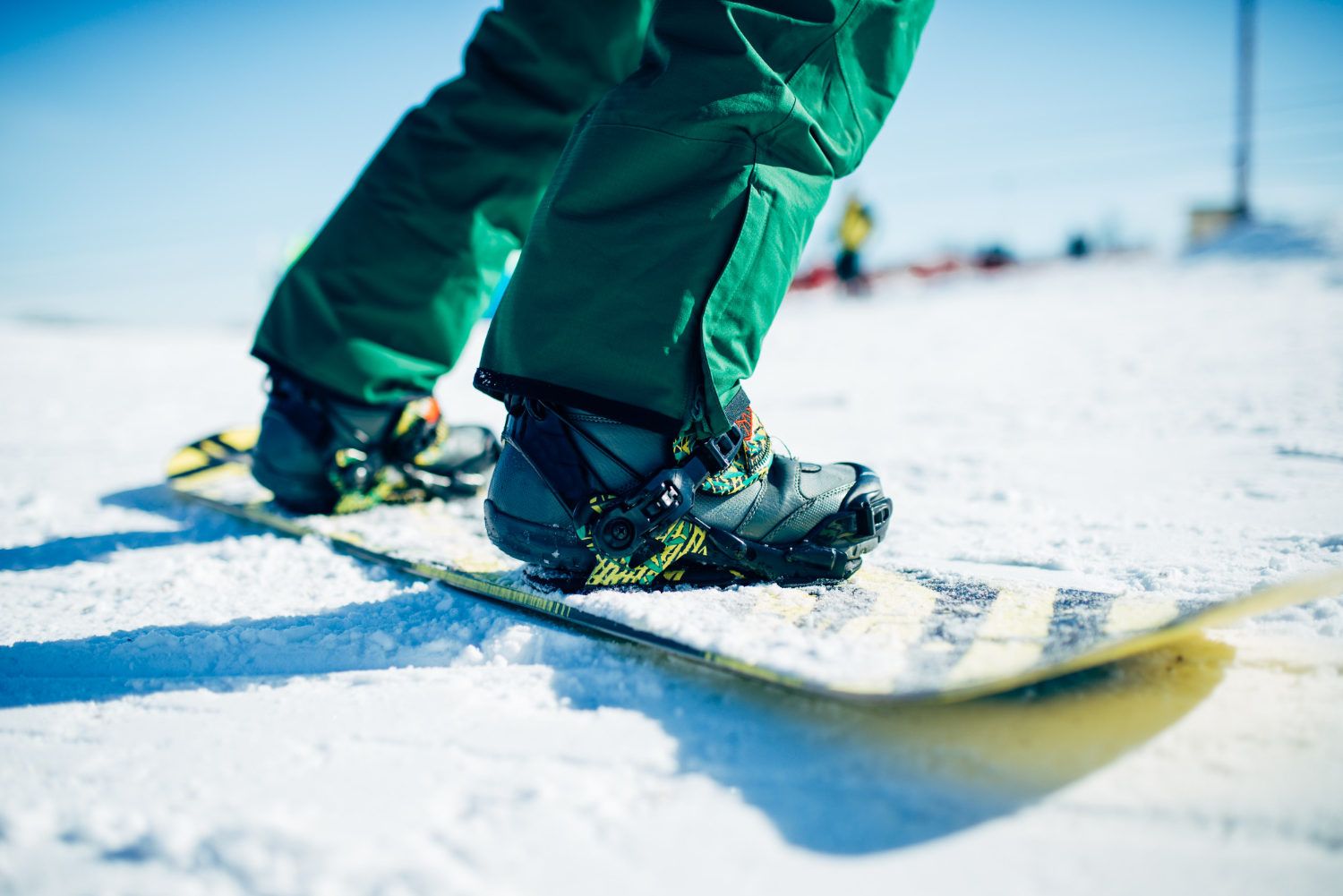
Skiing is a popular winter activity among Singaporeans travelling to Japan, Korea, Europe, or the US. While it’s exciting, skiing places unique demands on the body: high speeds, uneven surfaces, sudden turns, and heavy equipment that restricts natural movement.
These conditions commonly lead to:
- Sudden twisting of the knees
- Hard landings
- Falls onto outstretched hands
- Loss of balance on icy slopes
- Collisions with other skiers
Because many travellers ski only once a year, their muscles and joints may not be conditioned for these stresses, increasing injury risk.
What Are the Most Common Skiing Injuries?
1. ACL Tears (Knee Ligament Injury)
The ACL (anterior cruciate ligament) is one of the most commonly injured structures in skiing. Sharp turns, sudden stops, or falls can cause the knee to twist inwards, leading to a partial or complete tear.
Symptoms:
- A popping sound
- Rapid swelling
- Knee instability
- Difficulty bearing weight
Treatment:
- Mild sprains: Physiotherapy, bracing, and activity modification
- Complete tears: ACL tear treatment, often involving ligament reconstruction
- Recovery: Usually 6–9 months with structured rehabilitation
ACL injuries are a major cause of long-term knee pain and instability if not properly treated.
2. Meniscus or Cartilage Injuries
Twisting accidents can also damage the knee’s cartilage or meniscus, leading to pain, swelling, and “catching” sensations.
Treatment may include physiotherapy, anti-inflammatory medication, or in some cases, arthroscopic procedures to repair or trim torn tissue.
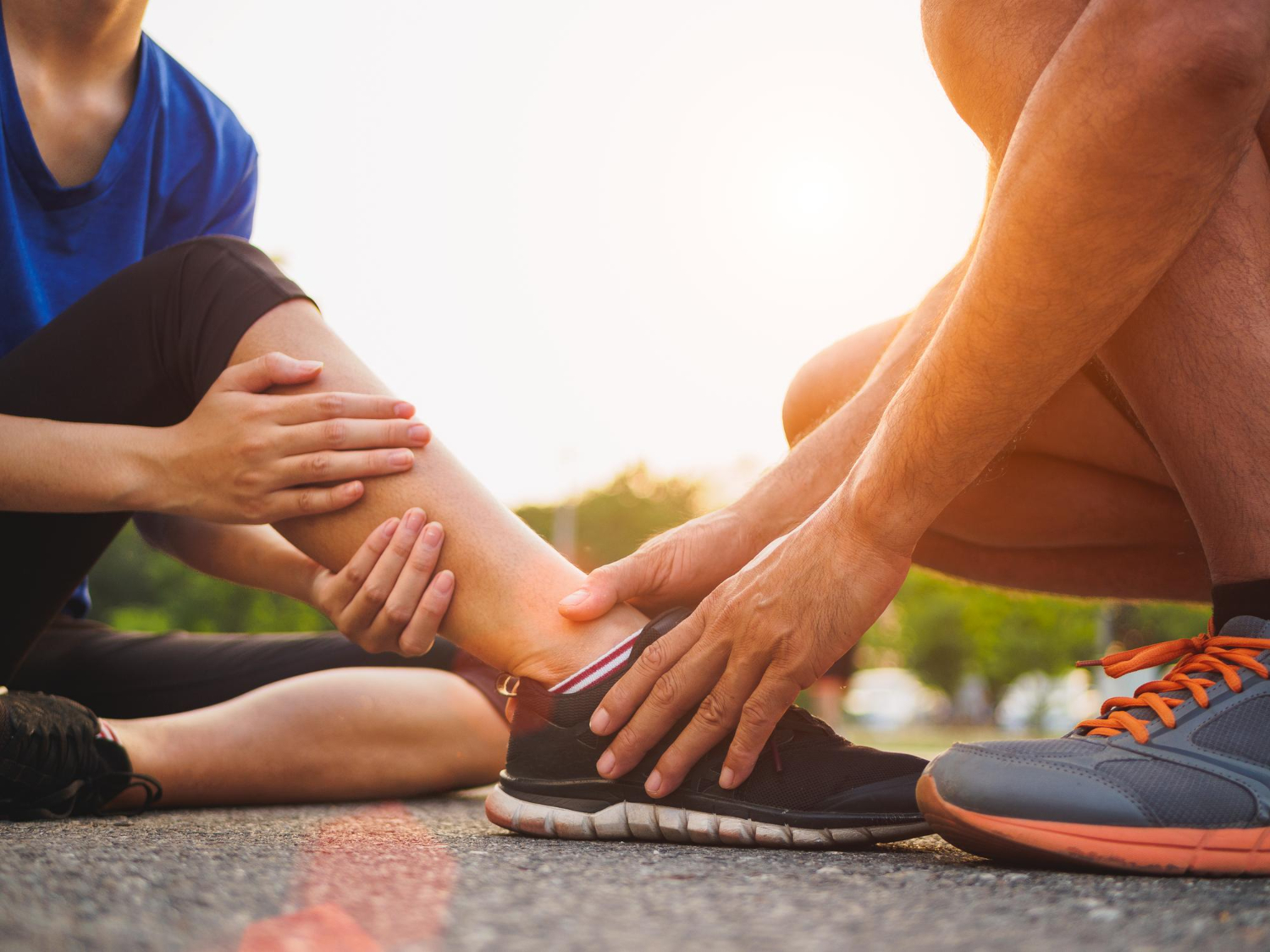
3. Ankle Injuries and Fractures
Although ski boots offer ankle support, falls can still cause injuries such as:
- Ankle sprains
- Lateral malleolus fractures
- Snowboarder’s fracture (lateral talus fracture)
- Ligament damage
Symptoms: bruising, tenderness, swelling, difficulty walking.
Treatment:
- Minor sprains: Rest and physiotherapy
- Fractures: Casting or surgery to stabilise bones
- Severe ligament damage: May require reconstruction
- Rehabilitation: Essential for restoring strength and balance
Singaporean travellers often mistake ankle fractures for simple sprains, a proper post-trip assessment helps avoid delayed diagnosis.
4. Shoulder Dislocations and Rotator Cuff Injuries
Falls onto an outstretched hand or direct impact can cause the shoulder to pop out of the socket.
Symptoms:
- Intense pain
- Visible deformity
- Limited arm movement
Shoulder dislocations can also injure the rotator cuff, especially in adults over 40.
Treatment:
- Reduction (relocating the joint)
- Sling immobilisation
- Physiotherapy to stabilise the shoulder
- Significant tears may require surgical repair
5. Wrist and Thumb Fractures (“Skier’s Thumb”)
Common when skiers fall while holding poles.
Treatment includes splinting, physiotherapy, or ligament repair for severe injuries.
How Are Skiing Injuries Diagnosed?
An orthopaedic specialist may use:
- Physical examination to assess stability and movement
- X-rays to detect fractures
- MRI scans to evaluate ligament and cartilage damage
Accurate diagnosis ensures proper knee pain treatment, ankle pain treatment, or shoulder injury management.
What Does Recovery Look Like After Skiing Injuries?
Rehabilitation Steps May Include:
- Rest and inflammation control
- Gradual range-of-motion exercises
- Muscle strengthening (core, hips, calves)
- Balance and proprioception training
- Sport-specific conditioning for return to skiing
Recovery timelines vary:
- Mild sprains: 2–6 weeks
- Fractures: 6–12 weeks
- ACL reconstruction: 6–9 months
- Shoulder surgery: 4–9 months
What Can You Do to Prevent Skiing Injuries?
- Warm up and stretch before hitting the slopes
- Take beginner lessons if unfamiliar with skiing
- Maintain proper stance and technique
- Use well-fitted ski boots and bindings
- Avoid pushing beyond your comfort level
- Strengthen lower body muscles before your trip
Why Should Singapore Travellers Get a Post-Trip Assessment?
Many people return from ski holidays thinking their knee or ankle pain will “go away on its own.”
But undiagnosed injuries, especially ACL tears, cartilage injuries, or fractures, may worsen over time.
A post-trip assessment helps:
- Identify hidden injuries early
- Start timely treatment
- Prevent long-term joint instability
- Support safe return to daily activity or sport
TOPS frequently sees patients after winter trips, making early evaluation an important step for recovery.
FAQs About Skiing Injuries and Treatment
1. How do I know if my knee injury needs ACL tear treatment?
If you heard a pop, experienced swelling within hours, or feel your knee giving way, an ACL injury is possible. An orthopaedic exam and MRI can confirm the diagnosis.
2. Is knee pain after skiing normal?
Mild soreness is common, but persistent swelling, instability, or sharp pain may indicate ligament or cartilage injury.
3. When is ankle pain serious?
Pain that makes walking difficult, or swelling that persists beyond a few days, may signal a fracture or ligament tear. Proper ankle pain treatment prevents long-term issues.
4. How long is recovery after shoulder dislocation?
Most recover in several weeks with physiotherapy, but recurrent cases or tendon tears may require surgery.
5. Can I ski again after an ACL injury?
Yes, many people return to skiing after completing rehabilitation and meeting strength and stability criteria set by their specialist.
Get Back on Your Feet After Ski Injuries
For a first-time skier or a seasoned traveller, winter sports injuries can happen, but early diagnosis and treatment make recovery smoother.
If you’ve returned from a ski holiday with knee pain, ankle pain, or shoulder discomfort, a proper assessment can help you understand the cause and plan the right treatment.
Book an appointment with The Orthopaedic Practice and Surgery (TOPS) for personalised evaluation and management of skiing-related injuries.