Key Pointers
- Mild muscle soreness is common when restarting activity, but joint pain should not be ignored.
- Overuse injuries develop gradually, while acute injuries often follow a specific incident.
- Knee cartilage wear, tendonitis, and early arthritis can present as persistent joint pain.
- Training errors such as sudden intensity increases or poor technique raise injury risk.
- Early assessment helps distinguish normal adaptation from conditions needing treatment.
Is It Normal to Feel Joint Pain When You Start Exercising Again?
When returning to exercise after a long break, many people expect some discomfort. Muscle soreness, especially 24–48 hours after activity, is a normal response as muscles adapt.
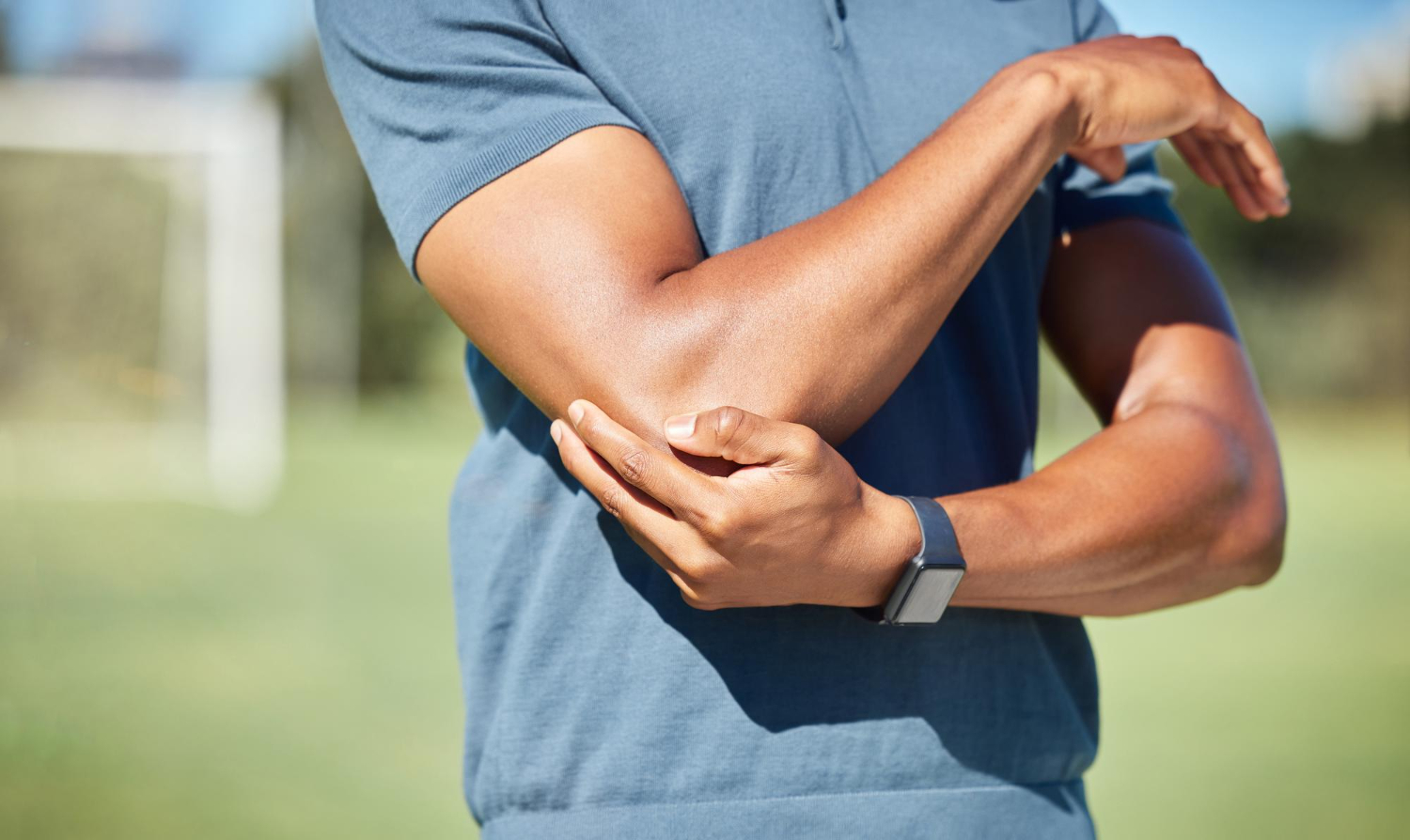
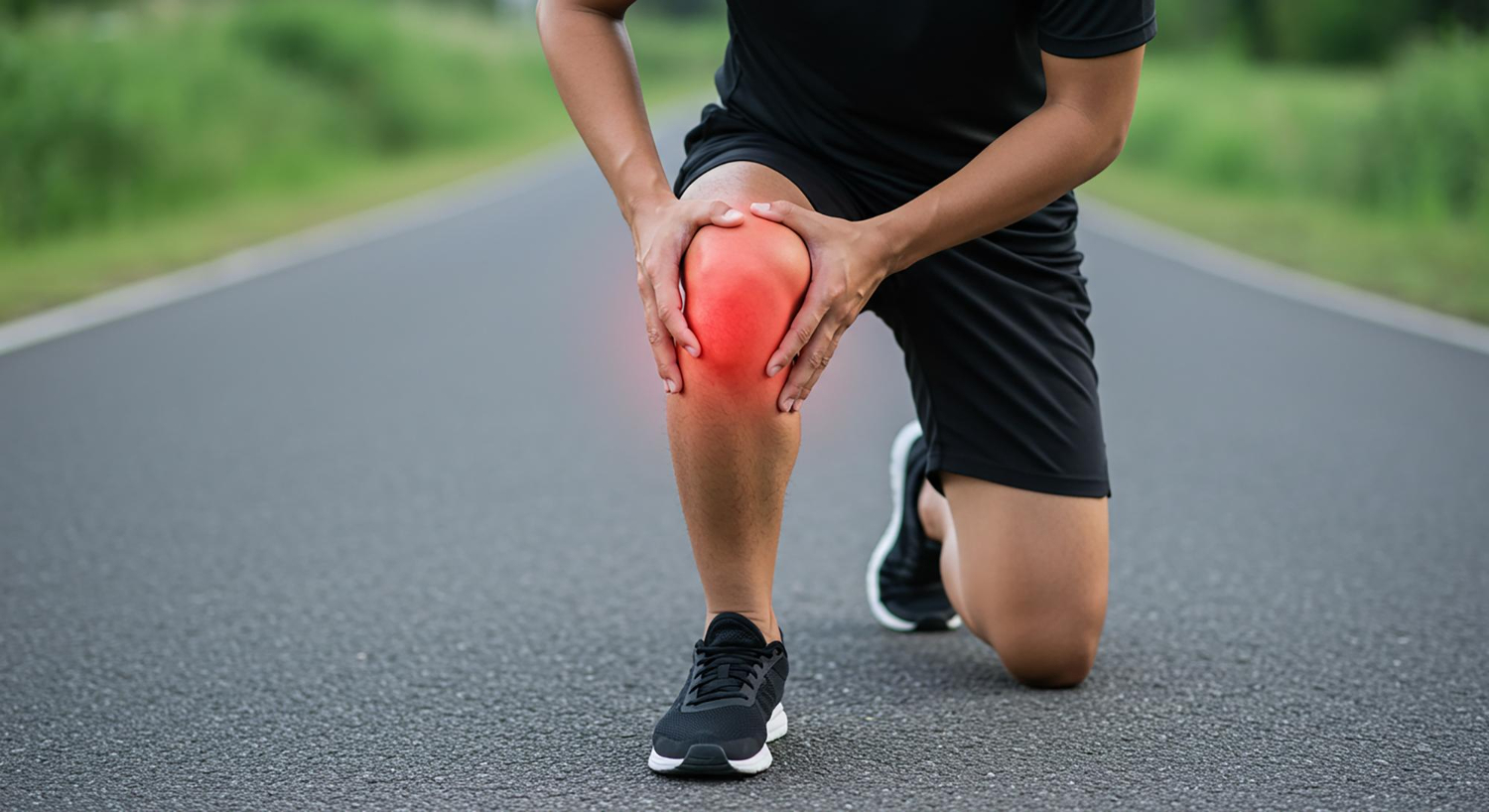
However, joint pain is different from muscle soreness. Pain felt deep in the knee, shoulder, hip, or ankle, especially if it persists or worsens, may indicate that something is not right. While some joint stiffness can occur early on, ongoing pain should not be dismissed as “just getting back into it.”
How Can You Tell the Difference Between Overuse and Injury?
Knowing and understanding the pattern of pain helps clarify and tell the differences of the possible causes.
If it’s overuse pain, it typically:
- Develops gradually over days or weeks
- Feels worse with repeated activity
- Improves with rest but returns when activity resumes
- Is linked to training volume, frequency, or technique
On the other hand, if it’s an injury-related pain, it often:
- Appears suddenly after a specific movement or incident
- Is sharp, severe, or associated with swelling
- Limits normal movement or weight-bearing
- Persists despite rest
Distinguishing between these two is important to prevent progression to more serious joint conditions.
What Training Mistakes Commonly Lead to Joint Pain?
Many people returning to exercise unintentionally overload their joints. Common issues include:
- Increasing intensity or duration too quickly
- Exercising daily without rest days
- Poor movement mechanics or posture
- Using inappropriate footwear or equipment
- Following generic online workouts not suited to current fitness level
These factors can overload joints, especially in individuals who have been inactive or have previous injuries.
Could Knee Cartilage Wear Be Causing the Pain?
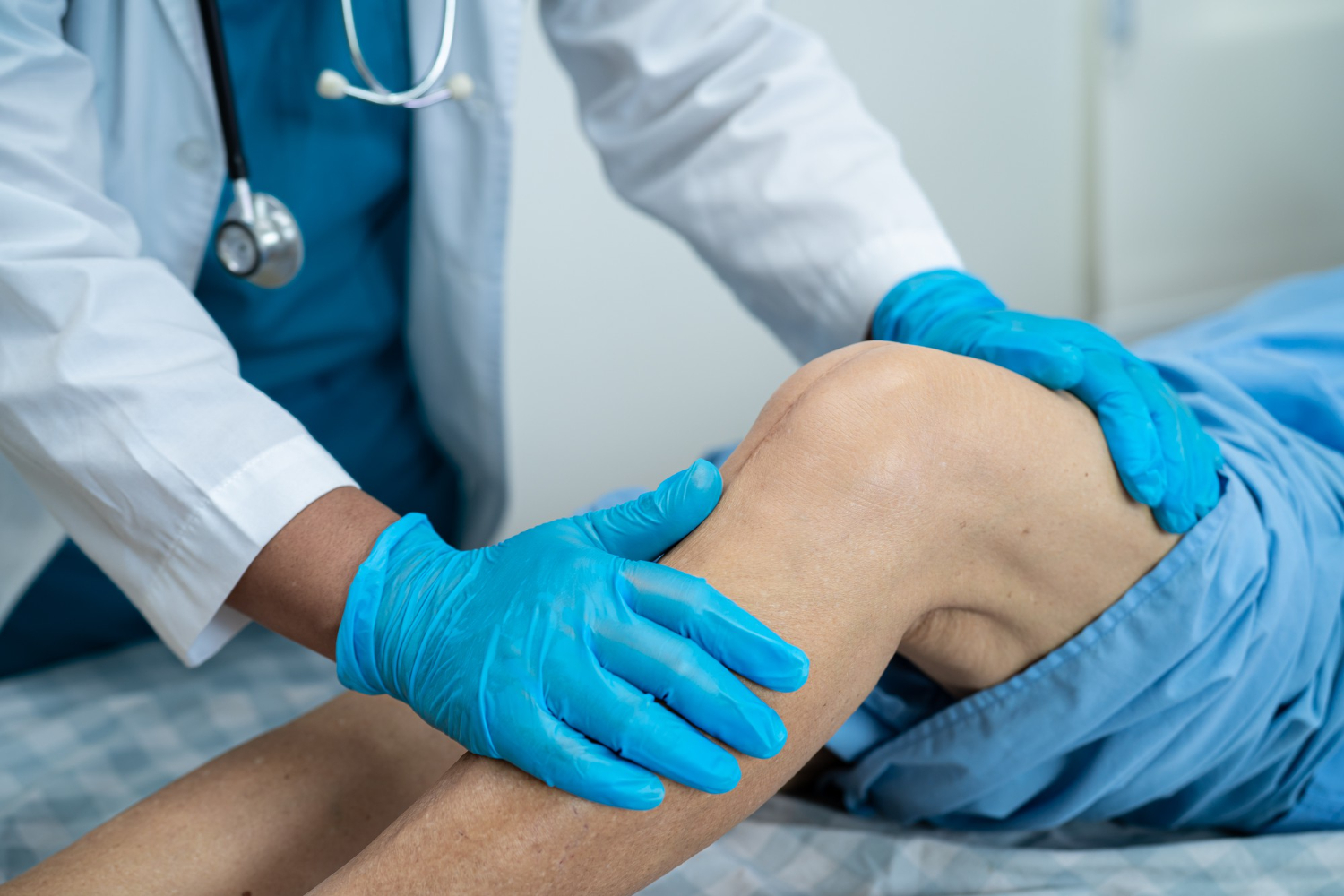
The knee joint relies on smooth cartilage to absorb shock and allow fluid movement. Cartilage wear occurs gradually and may not cause symptoms early on.
Here are the signs of cartilage-related pain:
- Deep knee discomfort during or after activity
- Stiffness after sitting or in the morning
- Swelling after longer exercise sessions
- Pain during squatting, stairs, or running
Without early management, cartilage wear can progress and affect long-term joint function.
Is Tendonitis Common When Restarting Exercise?
Yes. Tendonitis occurs when tendons, which connect muscle to bone, are repeatedly overloaded without adequate recovery.
It commonly affects:
- Knees (patellar tendon)
- Shoulders (rotator cuff tendons)
- Achilles tendon
- Elbows
Pain from tendonitis usually:
- Starts as mild discomfort
- Worsens with continued use
- Improves slightly with rest but returns with activity
When you address tendonitis early, it helps prevent chronic pain and prolonged recovery.
Can Early Arthritis Cause Pain Even in Active Beginners?
Early arthritis does not only affect older adults. Individuals with previous injuries, joint misalignment, or long periods of inactivity may notice symptoms when they begin exercising again.
Early arthritis symptoms may include:
- Joint stiffness
- Dull, aching pain
- Reduced range of motion
- Pain that worsens after activity rather than during
Remember, having early diagnosis allows for strategies that help maintain joint function and support safe activity.
When Should You Stop Training and Get Checked?
You should seek medical advice if joint pain:
- Persists for more than a few days
- Increases despite rest
- Is associated with swelling or instability
- Affects daily activities such as walking or sleeping
- Causes you to alter your movement pattern
When you continue to train through pain it may worsen joint damage and delay recovery.
How Can You Reduce Joint Pain When Starting Again?
Beginner-friendly strategies include:
- Gradual progression in activity
- Low-impact exercises such as walking, cycling, or swimming
- Strengthening muscles around joints
- Allowing adequate recovery between sessions
- Paying attention to movement quality rather than speed or intensity
Professional guidance can help tailor activity to your body’s needs.
FAQs About Joint Pain When Restarting Exercise
1. Is soreness always a sign of progress?
Muscle soreness can indicate adaptation, but joint pain is not a marker of effective training.
2. Can I exercise with mild joint pain?
It depends on the cause. Persistent or worsening pain should be assessed before continuing.
3. Does joint pain mean I have arthritis?
Not necessarily. Pain may result from overuse or tendon strain, but evaluation helps clarify the cause.
4. How long should rest last if joints hurt?
Short rest periods may help, but pain that returns repeatedly requires medical assessment.
5. Should beginners do strength training to protect joints?
Yes. Strengthening muscles helps support joints and reduce injury risk when done correctly.
Train Smarter, Book for an Assessment
Starting again is a positive step, but joint pain shouldn’t be part of the plan. When you understand whether discomfort is normal adaptation or a sign of injury, it helps protect your long-term mobility.
At The Orthopaedic Practice and Surgery (TOPS), our specialists assess joint pain related to activity, overuse, and early joint conditions, helping individuals return to movement safely and sustainably.
Book an appointment today to get clarity on your joint pain and to be able to train with confidence.