Key Takeaways
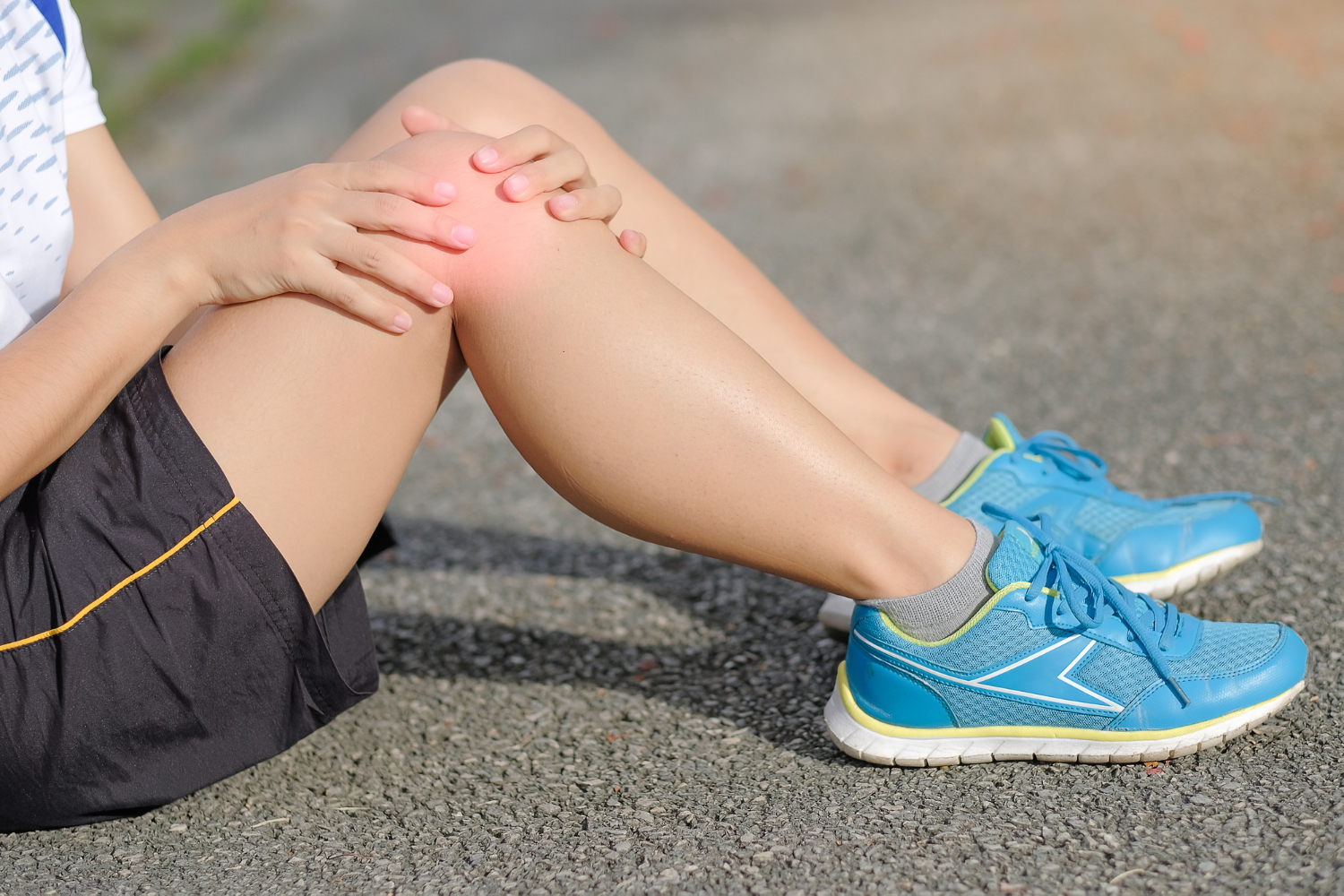
- Knee pain is one of the most common issues faced by marathon runners.
- Common causes include runner’s knee, ACL injuries, and cartilage wear.
- Strengthening, proper footwear, and gradual mileage build-up help prevent knee injuries.
- Early diagnosis and structured rehabilitation are key to recovery.
- Treatment depends on the cause, from physiotherapy to ACL tear treatment or, in some cases, surgery.
Why Do Runners Often Experience Knee Pain?
Running is one of the simplest and most rewarding forms of exercise, but the repetitive impact can take a toll on your knees. During training, each step generates force equivalent to 3–5 times your body weight, absorbed mainly by your knees. Over time, this can lead to irritation, inflammation, or injury, especially if training volume increases too quickly.
With the Standard Chartered Marathon Singapore (Dec 6–7) approaching, runners are clocking longer distances. Understanding how to protect your knees now can help you avoid setbacks before race day.
What Are the Common Causes of Knee Pain in Runners?
1. Runner’s Knee (Patellofemoral Pain Syndrome)
This is one of the most frequent sources of knee discomfort. It occurs when the kneecap rubs unevenly against the thigh bone, leading to pain at the front of the knee, especially when climbing stairs or sitting for long periods.
Causes: Weak thigh muscles, overuse, poor running form, or misalignment of the kneecap.
Treatment: Physiotherapy, strengthening exercises, rest, and proper footwear or orthotics to improve knee tracking.
2. ACL (Anterior Cruciate Ligament) Injuries
The ACL is a major stabilising ligament in the knee. Sudden changes in direction, jumping, or twisting, common in trail running or uneven terrains, can lead to partial or complete tears.
Symptoms: A “pop” sound at injury, immediate swelling, and a feeling that the knee might give way.
Treatment: Mild sprains may respond to physiotherapy, bracing, and rehabilitation. More severe tears may require ACL tear treatment through surgical reconstruction to restore stability.
3. Cartilage Wear and Osteoarthritis
Repetitive stress on the knee joint can gradually wear down cartilage, the smooth tissue that cushions the bones. Runners with prior injuries, misalignment, or poor footwear are more prone to early cartilage wear.
Symptoms: Deep joint pain, stiffness, or a grinding sensation when bending the knee.
Treatment: Low-impact cross-training, physiotherapy, injections, or in some cases, surgical procedures like cartilage repair.
How Can You Prevent Knee Pain During Marathon Training?
- Increase mileage gradually – Follow the “10% rule”: don’t increase weekly mileage by more than 10%.
- Strengthen supporting muscles – Focus on quadriceps, hamstrings, glutes, and core exercises.
- Wear proper running shoes – Replace shoes every 600–800 km and ensure good arch support.
- Stretch and recover – Include warm-ups, cool-downs, and flexibility routines to prevent stiffness.
- Listen to your body – Persistent pain, swelling, or instability are warning signs. Early rest or treatment prevents long-term injury.
When Should You See a Doctor for Knee Pain?
Not all knee pain means a serious injury, but it’s important to know when to seek help. Consult an orthopaedic specialist if you experience:
- Sharp or persistent pain lasting more than a few days
- Swelling that does not subside with rest and ice
- Difficulty bearing weight or bending the knee
- A “clicking” or “locking” sensation
- Instability or a feeling of the knee giving way
Getting an early diagnosis allows for targeted knee pain treatment, whether through rest, physiotherapy, or corrective procedures.
What Does Treatment Involve?
1. Non-Surgical Options
Most running-related knee pain can be managed without surgery. This may include:
- Physiotherapy to correct muscle imbalances and improve alignment.
- Activity modification to reduce joint strain.
- Medications or injections for pain and inflammation relief.
- Bracing or taping to support the knee during recovery.
2. Surgical Options (When Needed)
In cases of severe ligament or cartilage damage, surgical intervention may be considered.
- ACL tear treatment may involve reconstructive surgery using tissue grafts.
- Cartilage repair procedures help restore joint smoothness and mobility.
Post-surgery rehabilitation focuses on regaining strength and motion, enabling patients to return safely to activity.
5 FAQs About Knee Pain Treatment and ACL Injuries
1. Can I continue running if I have mild knee pain?
Mild soreness after a run is common, but persistent or worsening pain means you should rest and get assessed to avoid further injury.
2. How long does it take to recover from an ACL tear?
Recovery after ACL surgery usually takes 6–9 months, including physiotherapy. For minor sprains, it may take several weeks.
3. What’s the difference between a sprain and an ACL tear?
A sprain means the ligament is stretched but not torn. A tear involves partial or complete disruption of the ligament, often requiring longer recovery.
4. Are knee braces useful during training?
Braces can offer support but shouldn’t replace proper strengthening and form correction. Always seek advice before prolonged use.
5. Is it safe to train for a marathon after a previous knee injury?
Yes, but only after full recovery and medical clearance. A structured rehabilitation plan helps reduce re-injury risk.
Don’t Let Knee Pain Stop You from Reaching the Finish Line
Training for the Standard Chartered Marathon Singapore (Dec 6–7) is an incredible goal, but your knees need as much preparation as your endurance. Understanding how to prevent, recognise, and treat knee pain can make all the difference between finishing strong and sitting out.
At The Orthopaedic Practice and Surgery (TOPS), our specialists provide comprehensive treatment for knee pain and ACL tear management, tailored to your activity level and recovery goals.