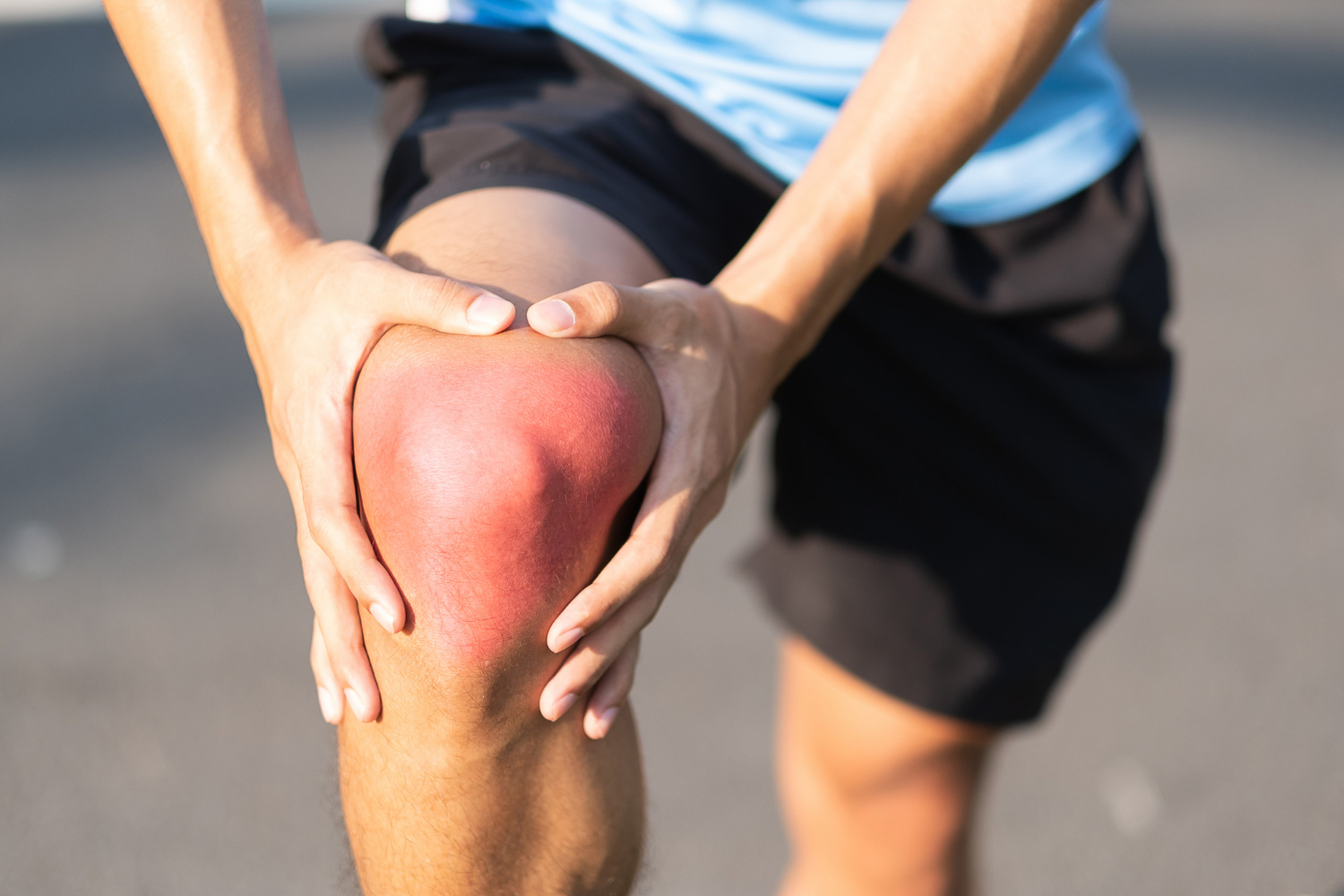
An ACL injury can feel like a turning point, especially if it affects how you walk, exercise, or play sports. One of the most common questions patients ask is: Can it heal on its own, or will I need surgery?
The short answer is: it depends on the type of tear, your activity level, and how stable your knee feels.
What Is the ACL and What Does It Do?
Before deciding on treatment, it helps to understand the role of the ACL.
The anterior cruciate ligament (ACL) is a key ligament in the knee that helps stabilise movement, especially during twisting or pivoting.
It connects the thigh bone to the shin bone and plays an important role in keeping the knee steady during activities like running, turning, or jumping.
Key pointers:
- Helps prevent the knee from “giving way”
- Important for sports and dynamic movements
- Works together with other ligaments and muscles
Can a Torn ACL Heal on Its Own?
This is often the first concern after an injury.
A completely torn ACL does not typically heal on its own, but some partial tears may be managed without surgery in selected cases.
Unlike some tissues, the ACL has limited healing capacity due to its blood supply and the environment inside the joint.
What this means in practice:
- Partial tears may improve with rehabilitation
- Complete tears usually do not regrow or reattach naturally
- Some people can still function well without surgery, depending on their lifestyle
When Can ACL Injuries Be Managed Without Surgery?
Not every ACL injury automatically leads to surgery.
Non-surgical treatment may be suitable for individuals with mild symptoms, lower activity demands, or stable knees after rehabilitation.
This approach focuses on strengthening and adapting movement.
You may be considered for non-surgical care if:
- Your knee feels stable during daily activities
- You do not participate in pivoting or high-impact sports
- The tear is partial or symptoms are mild
- You are able to regain strength with physiotherapy
Non-surgical management may include:
- Physiotherapy to strengthen surrounding muscles
- Bracing in certain situations
- Activity modification
- Gradual return to function
When Is ACL Surgery Usually Recommended?
For some individuals, surgery may be discussed early on.
ACL reconstruction surgery is often considered when the knee is unstable, especially in active individuals or those returning to sports.
At The Orthopaedic Practice and Surgery (TOPS), treatment decisions are based on your symptoms, goals, and lifestyle, not just the injury itself.
Surgery may be recommended if:
- The knee frequently “gives way”
- You plan to return to sports involving cutting or pivoting
- There are associated injuries (e.g. meniscus damage)
- Non-surgical treatment has not improved stability
What Happens If I Don’t Repair a Torn ACL?
Some patients choose not to have surgery, especially if symptoms are manageable.
Without surgery, some individuals adapt well, but others may experience ongoing instability or risk of further knee damage.
Over time, repeated instability can affect other parts of the knee.
Possible considerations:
- Increased risk of meniscus injury
- Gradual wear of joint cartilage
- Limitations in sports or high-demand activities
How Do I Decide What’s Right for Me?
There isn’t a one-size-fits-all answer.
The decision depends on knee stability, activity level, symptoms, and personal goals.
Questions to consider:
- Do you feel instability during daily movement?
- Do you want to return to sports or high-impact activities?
- Have non-surgical treatments improved your condition?
- How much is the injury affecting your lifestyle?
A consultation can help clarify your options and guide your decision.
What Should I Expect From an Orthopaedic Consultation?
If you’re unsure about surgery, this is often the best next step.
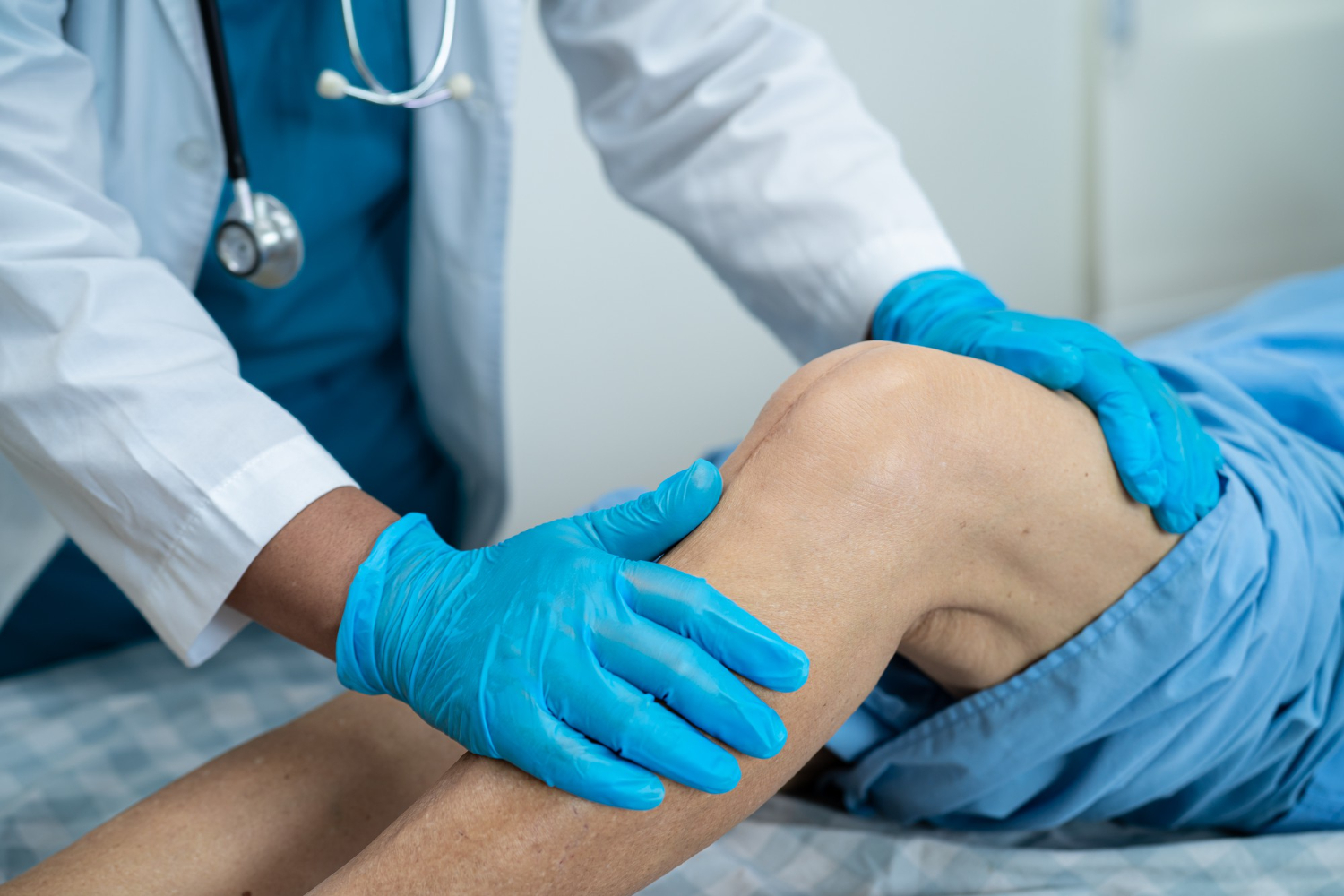
An orthopaedic consultation helps assess the severity of the ACL injury and discuss suitable treatment options.
At TOPS, this may include:
- Clinical examination of knee stability
- Imaging such as MRI if needed
- Discussion of both surgical and non-surgical approaches
- A personalised plan based on your activity goals
Frequently Asked Questions
Can I walk with a torn ACL?
Yes, many people can walk, but instability may occur during more demanding movements.
Can physiotherapy replace ACL surgery?
In some cases, physiotherapy helps improve function, especially for partial tears or lower activity levels.
Will my ACL grow back after a tear?
A fully torn ACL does not typically regrow on its own.
How long does recovery take without surgery?
Recovery varies, but rehabilitation may take several months, depending on strength and stability.
Is surgery always urgent for ACL injuries?
Not always. Some patients take time to try non-surgical management before deciding.
Schedule Your Knee Assessment
If you’ve had an ACL injury or ongoing knee instability, understanding your options can make a difference in how you recover and move forward.
At The Orthopaedic Practice and Surgery (TOPS), the focus is on helping you make informed decisions, whether that involves rehabilitation, monitoring, or surgery.
Book a consultation today to better understand your knee condition and the treatment options available to you.