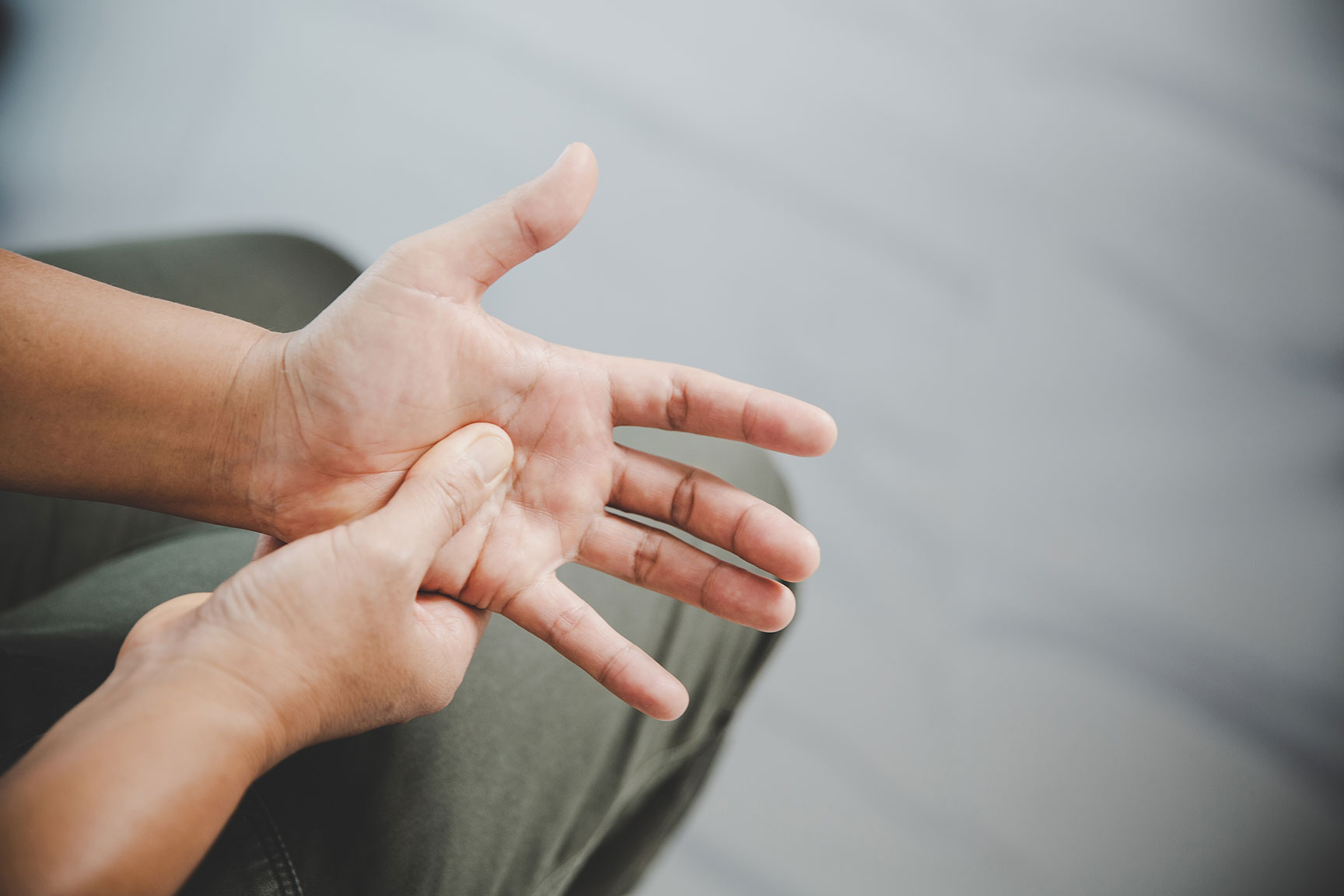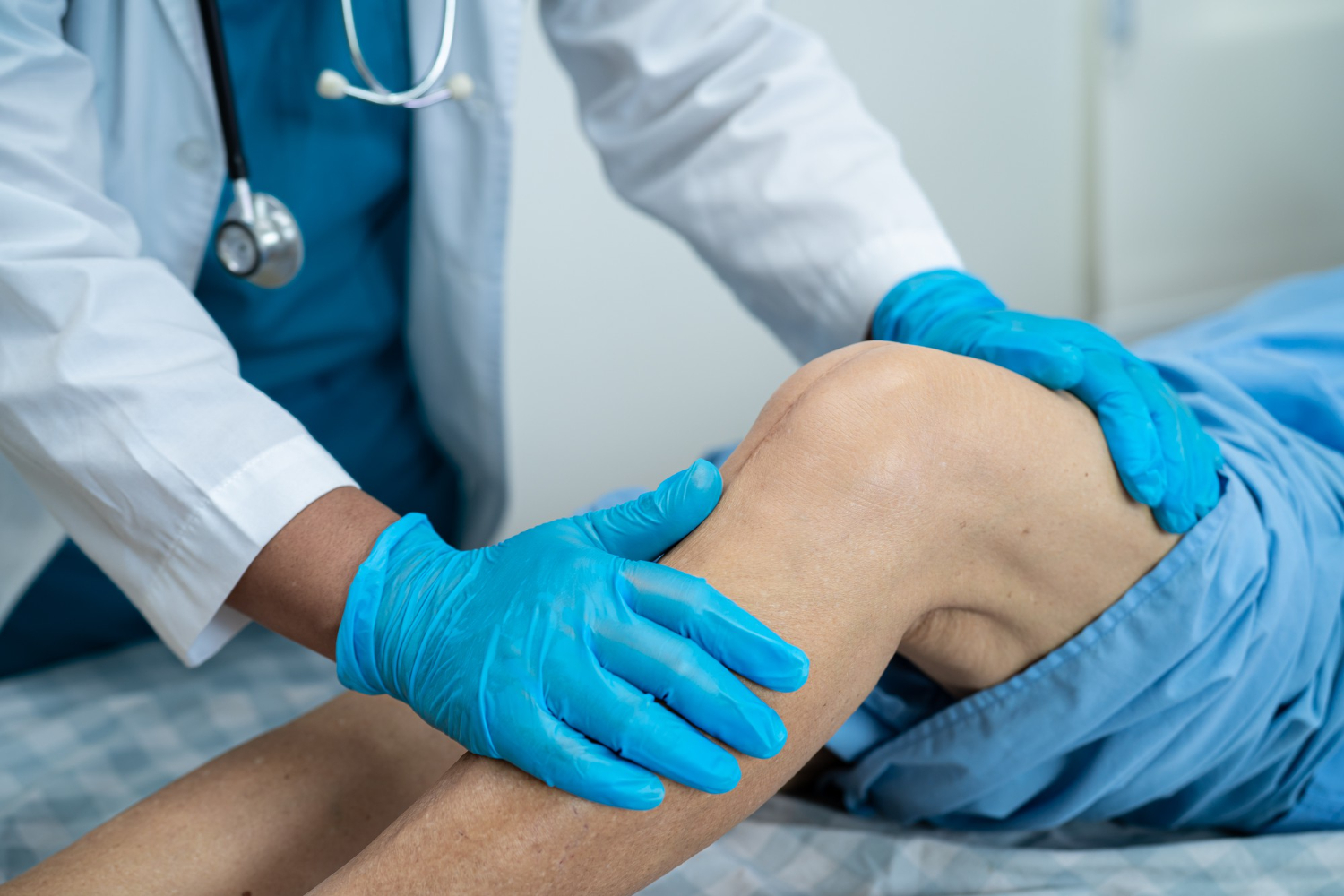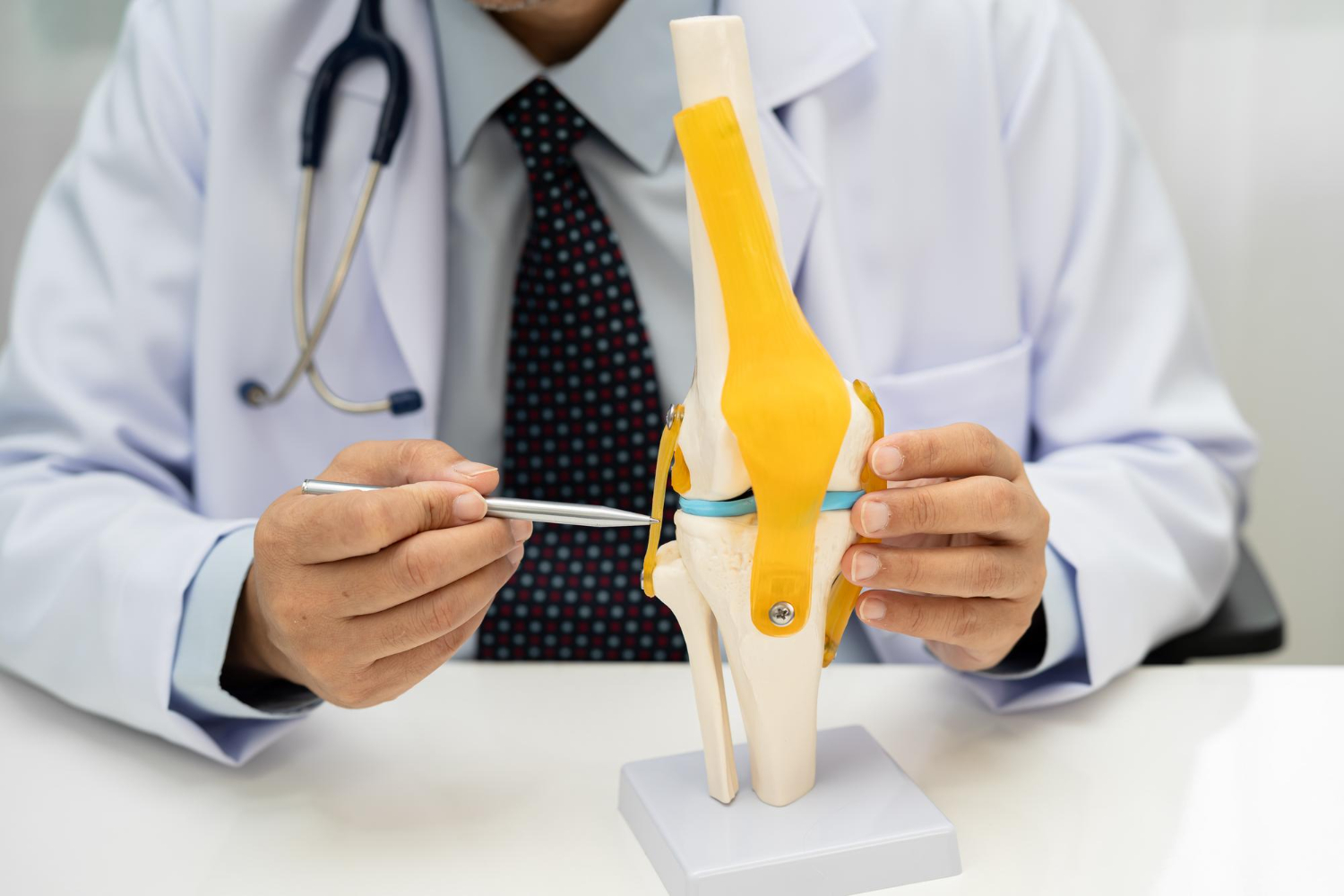
You may consider visiting an orthopaedic clinic instead of a GP if your bone or joint pain is persistent, affects movement, follows an injury, or does not improve with initial treatment. Orthopaedic doctors assess musculoskeletal conditions and may recommend further evaluation, such as imaging or targeted treatment.
Key Pointers
- Mild or short-term pain can often be managed by a GP
- Persistent pain may require orthopaedic assessment
- Sports injuries and joint instability often need specialist care
- Difficulty moving or weight-bearing should be evaluated early
- Imaging (e.g. X-ray, MRI) may be recommended for diagnosis
Is It Okay to See a GP First for Bone or Joint Pain?
For many people, the first instinct when something hurts is to visit a GP, and that’s often a good place to start.
GPs are well-equipped to assess common conditions like mild sprains, muscle strains, or temporary joint discomfort. They can recommend initial treatment such as rest, medication, or physiotherapy.
However, if symptoms don’t improve or start affecting your daily life, it may be time to consider a more focused assessment at an orthopaedic clinic.
What Does an Orthopaedic Clinic Treat?
If pain begins to feel more persistent or limiting, it helps to understand what orthopaedic care involves.
Orthopaedic clinics assess a wide range of conditions, including:
- knee pain and injuries
- shoulder pain or stiffness
- ankle sprains or instability
- hip or back discomfort
- ligament or cartilage injuries
- joint degeneration, such as osteoarthritis
The goal is to identify the cause of the problem and guide appropriate treatment, whether that involves rehabilitation, further testing, or procedures when necessary.
When Should You See an Orthopaedic Clinic Instead of a GP?
Sometimes the body gives subtle signs that something more needs attention. Other times, it’s more obvious.
Here are situations where a visit to an orthopaedic clinic may be helpful.
When Pain Does Not Improve
If pain continues despite rest, medication, or physiotherapy, it may indicate an underlying issue that needs further evaluation.
When Movement Becomes Difficult
Struggling to:
- lift your arm
- bend your knee
- walk comfortably
may suggest joint or structural concerns.
After a Sports Injury
Sports injuries often involve ligaments, tendons, or cartilage.
If you experience:
- instability
- swelling
- difficulty returning to activity
A specialist assessment may help determine the extent of injury.
When There Is Swelling or Instability
Persistent swelling or a joint that feels like it may “give way” can indicate internal joint damage.
When Pain Interferes with Daily Life
If discomfort starts affecting work, sleep, or routine activities, it may be worth exploring further evaluation.
Can You Go Directly to an Orthopaedic Clinic?
Yes, patients can consult an orthopaedic clinic directly for bone or joint concerns without first seeing a GP. This allows for targeted assessment and management of musculoskeletal conditions.
Many patients choose to visit an orthopaedic clinic directly, especially when symptoms are clearly related to joints, bones, or injuries.
This can help:
- streamline diagnosis
- access imaging when needed
- begin targeted treatment earlier
However, both pathways, GP or orthopaedic, can play a role depending on the situation.
What Happens During an Orthopaedic Consultation?
Walking into a specialist clinic can feel unfamiliar, but the process is usually straightforward.
An orthopaedic consultation may include:
- discussion of symptoms and medical history
- physical examination of the affected area
- movement and stability tests
- imaging such as X-rays or MRI (if required)
The aim is to understand what’s causing the symptoms and guide the next steps.
Does Early Orthopaedic Assessment Make a Difference?
There’s often a tendency to “wait it out,” especially with pain that comes and goes.
But in some cases, early evaluation can:
- clarify the cause of symptoms
- prevent worsening of injuries
- support more structured recovery
This is especially relevant for active individuals or those with recurring pain.
Orthopaedic Care at TOPS
At The Orthopaedic Practice and Surgery, patients are assessed for a range of bone and joint conditions, from everyday discomfort to sports-related injuries.
Consultations are available with:
- Dr Lim Chin Tat
- Dr Bernard Lau
- Dr Eileen Tay
The focus is on understanding each patient’s condition and discussing appropriate care options.
Frequently Asked Questions
Should I see a GP or an orthopaedic doctor first?
A GP is often a good starting point for mild symptoms, but persistent or limiting pain may require orthopaedic assessment.
How long should I wait before seeing a specialist?
If symptoms do not improve after a few weeks or worsen, it may be helpful to seek further evaluation.
Can orthopaedic doctors treat sports injuries?
Yes, orthopaedic clinics commonly assess and manage sports-related injuries.
Do I need imaging before seeing an orthopaedic doctor?
Not always. Imaging may be recommended after clinical evaluation.
Is joint pain always serious?
Not all joint pain is serious, but persistent or worsening symptoms should be assessed.
Don’t Ignore Persistent Pain, Know When to Get It Checked
If bone or joint pain is affecting how you move, work, or stay active, it may be time to look into it more closely.
A consultation at The Orthopaedic Practice and Surgery can help assess your symptoms and guide appropriate next steps based on your condition.